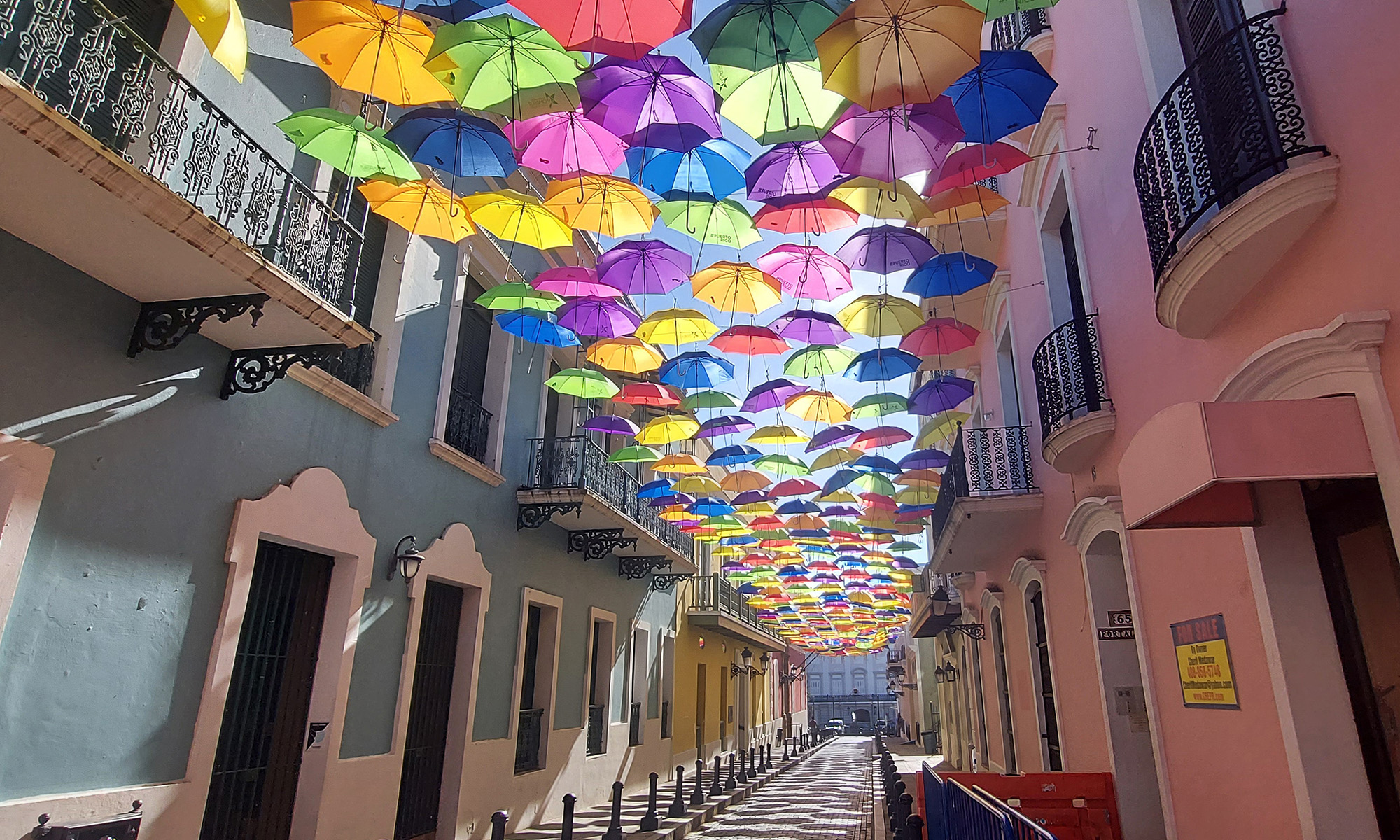
No trip to Puerto Rico is complete without at least a day in Old San Juan, a mélange of Old World elegance and vibrant 21st-century Caribbean culture. It’s so interesting, we had to create two videos!
San Juan was built for walking, so we’ll start out by heading to our favorite parking garage, Dona Fela, so you don’t waste an hour looking for a place to put your car. Then we’ll visit the cruise ship port and explore the narrow streets, nooks and crannies of beautifully preserved Viejo San Juan, which just celebrated 500 years.
There is so much to see and do, for every age and stage: explore history, culture, shopping, eating, drinking, praying, gallery hopping, even flying kites!
Check back in a couple of days for the second half of our video.
The Humacao Nature Reserve offers a wonderful kayaking experience, through a creek dodging turtles among the mangroves into a large lagoon. Breathtaking! The lake of course boasts a couple of Puerto Rican flags, since residents’ pride in their island is displayed everywhere you go. Our adventure also offered the chance to see a large variety of birds, turtles, and even a couple of huge iguanas.
The tour guides give you a laminated map so you can follow a specific marked route and learn about the flora and fauna of the region.
Humacao Nature Reserve, also called the Punta Santiago Nature Reserve, is located in the southeastern coast of Puerto Rico, between the municipalities of Humacao and Naguabo. In addition to kayaking, which only cost $15, the reserve has trails for walking, hiking and mountain biking. The birdwatching is spectacular, and you can also go fishing. There are large, clean bathrooms and even showers.
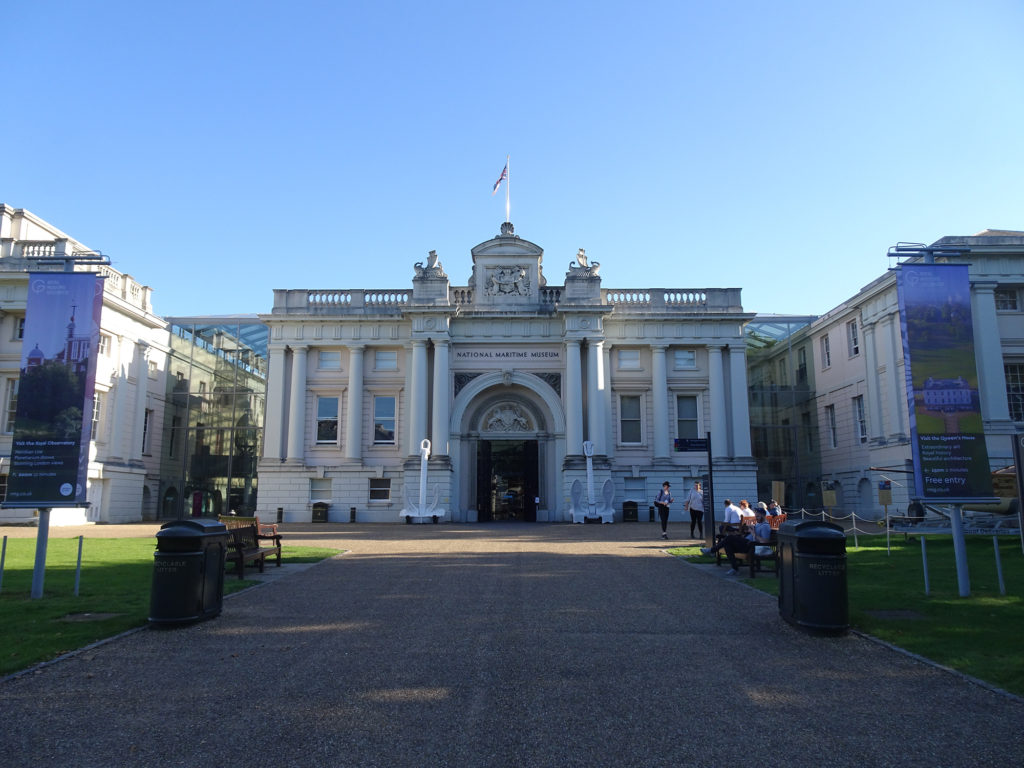
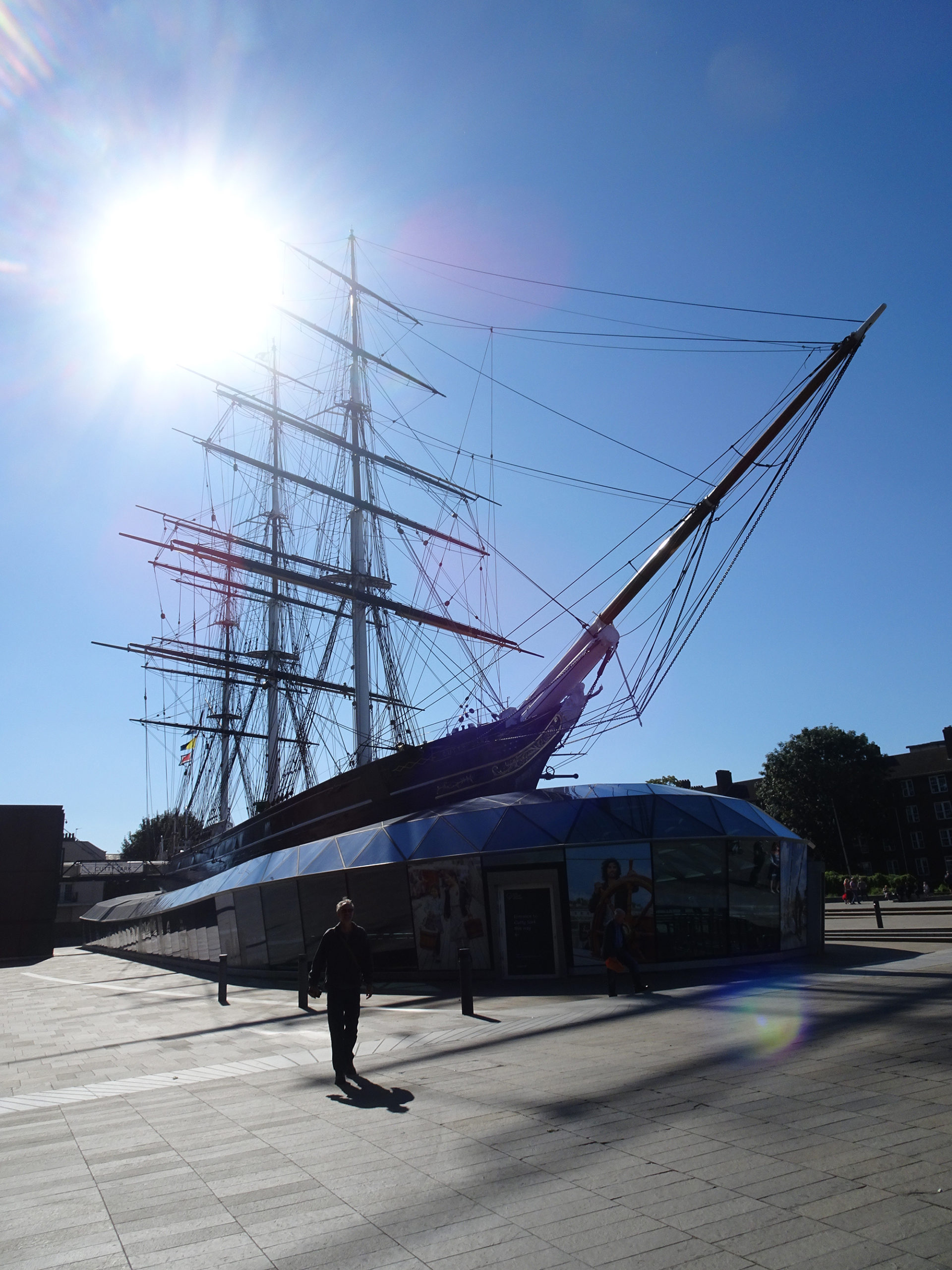
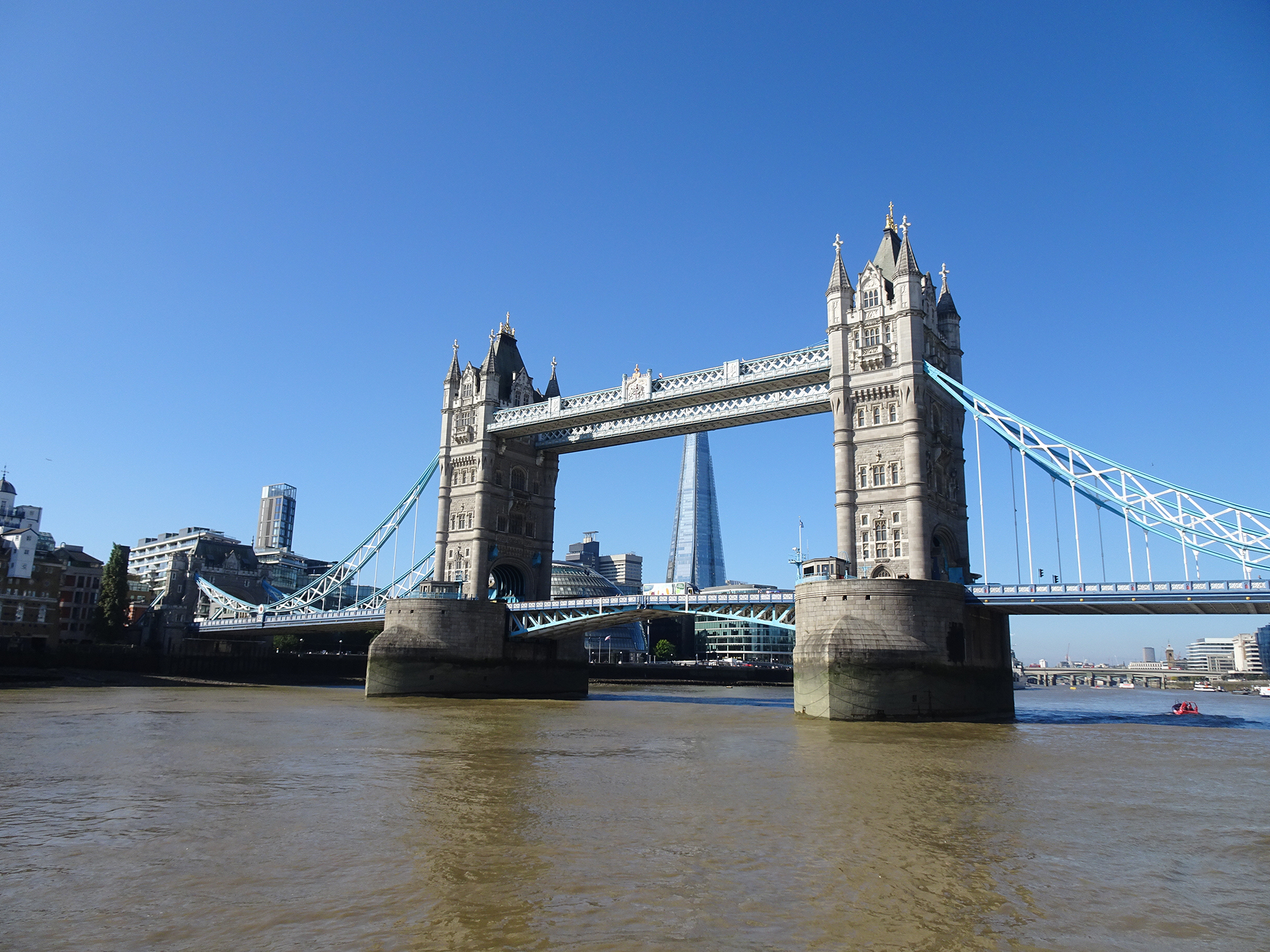
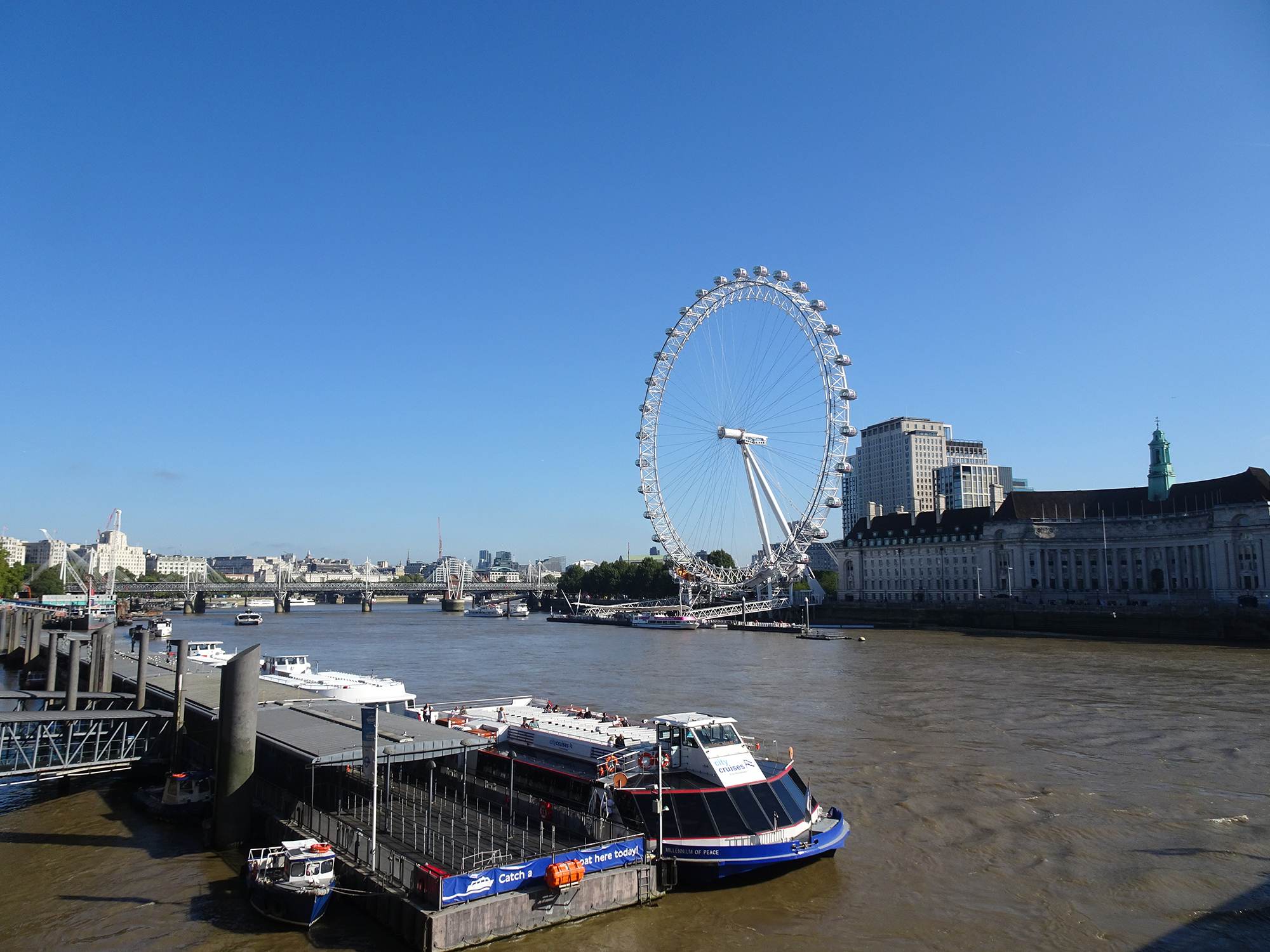
When we took a Thames River Cruise from London to Greenwich last fall to see the Royal Meridien, we discovered the National Maritime Museum, one of a quartet of the Royal Museums in Greenwich. The others are the Royal Observatory Greenwich, where the Meridien resides, and two others that will have to wait till next time: the historic ship Cutty Sark and the Queen’s House.
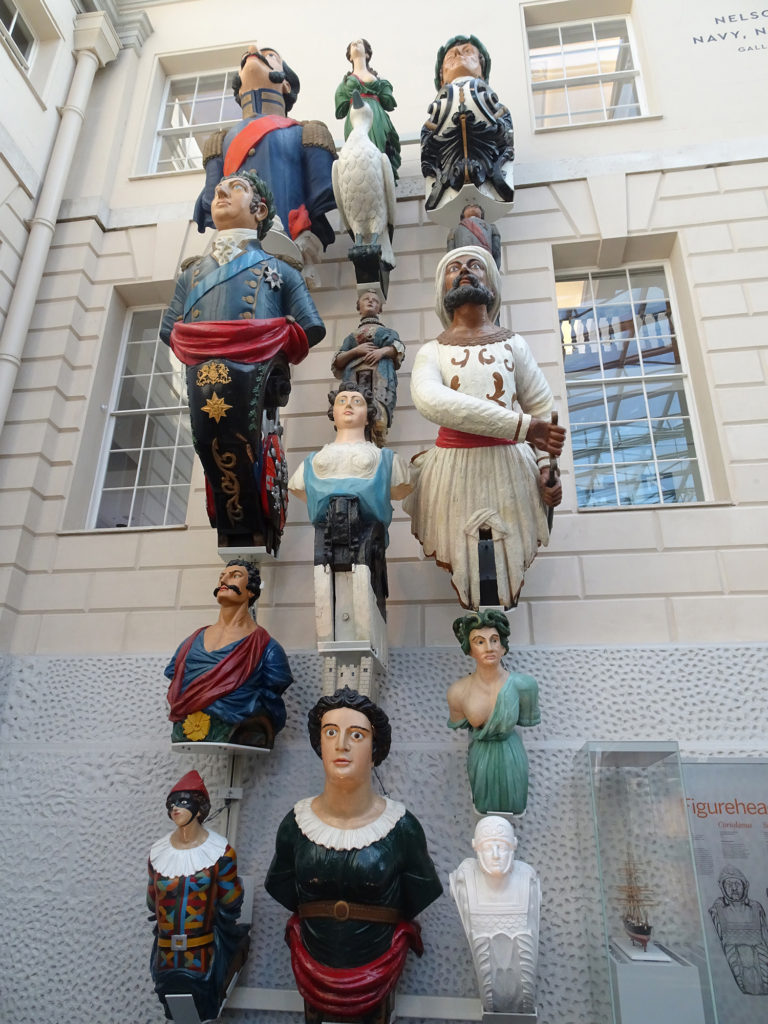
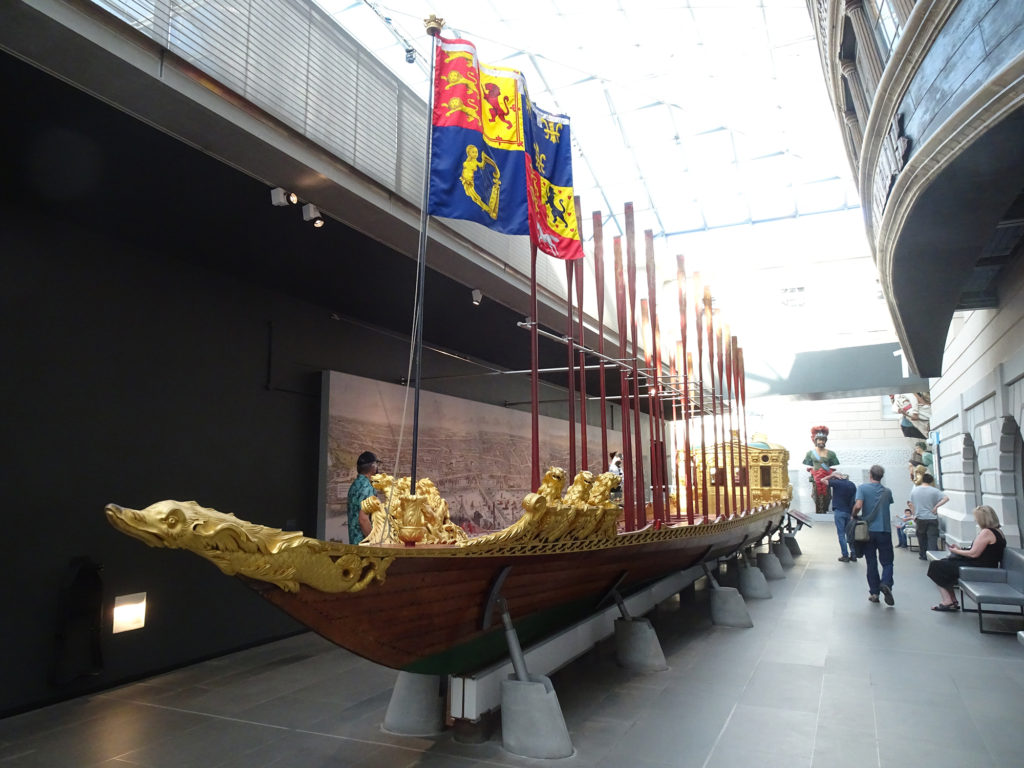
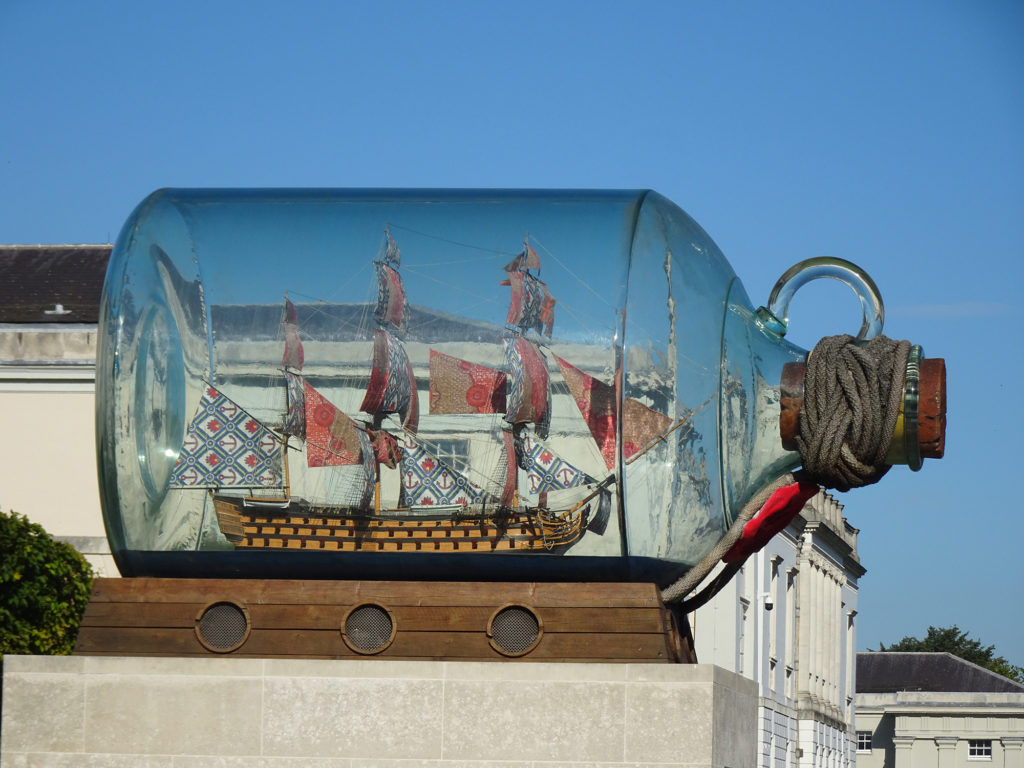
The National Maritime Museum takes you on an exploration of British naval history and Imperial arrogance, with a ship simulator, nautical oddities, and interactive games. We loved the giant message in a bottle and the colorful exhibit of ship figureheads. Admission was free.
Ship figureheadsSome rich earl’s ostentatious boatCutty SarkMessage in a bottle
What a fun discovery! Greenwich deserves more than a day.
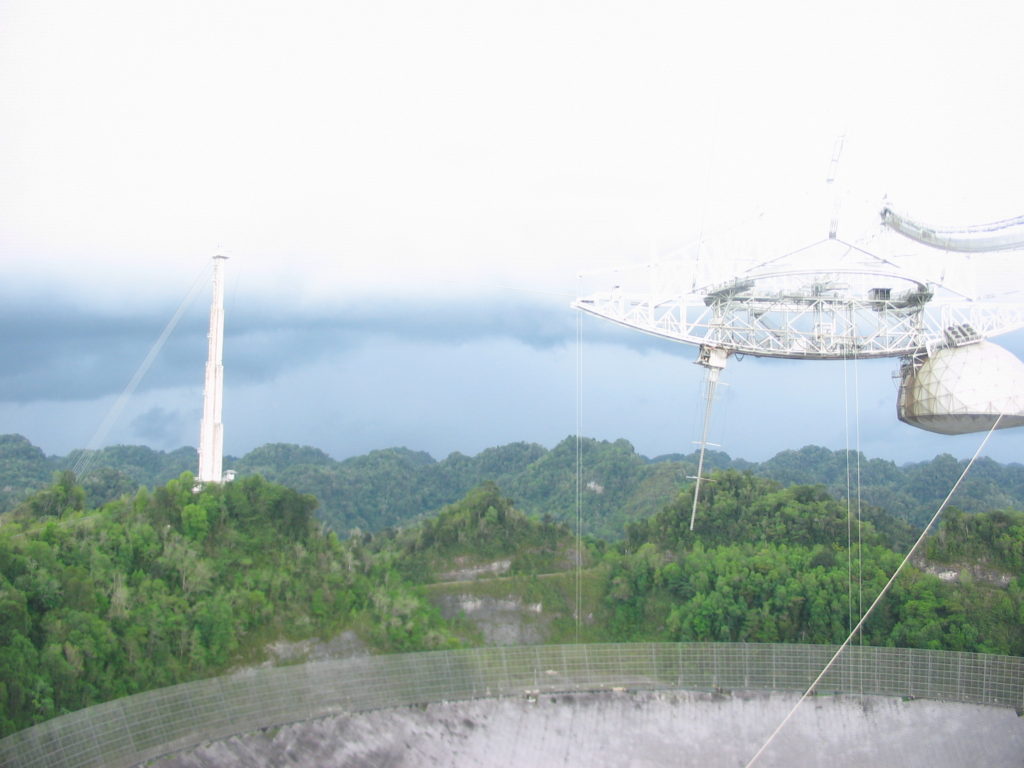
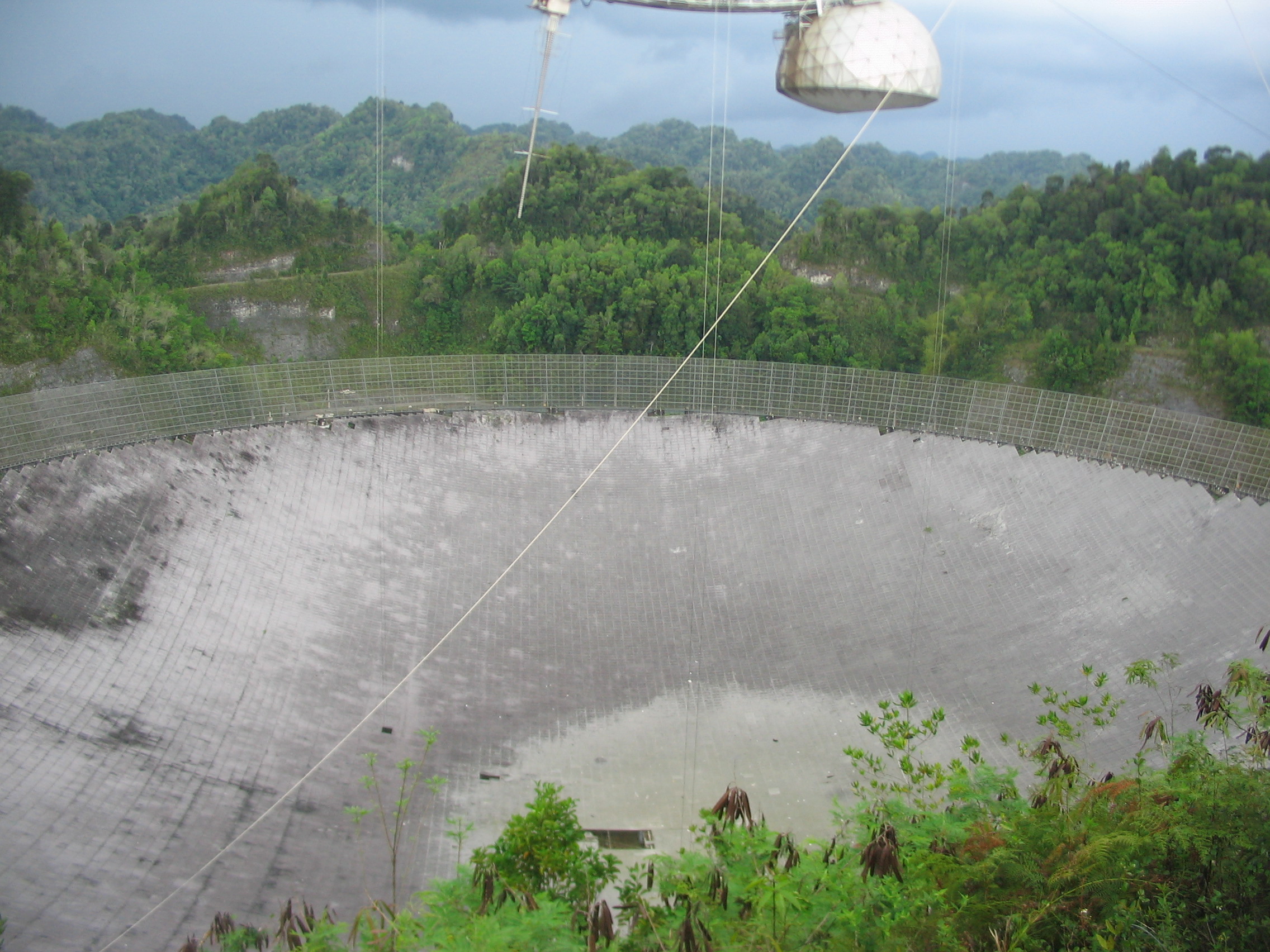
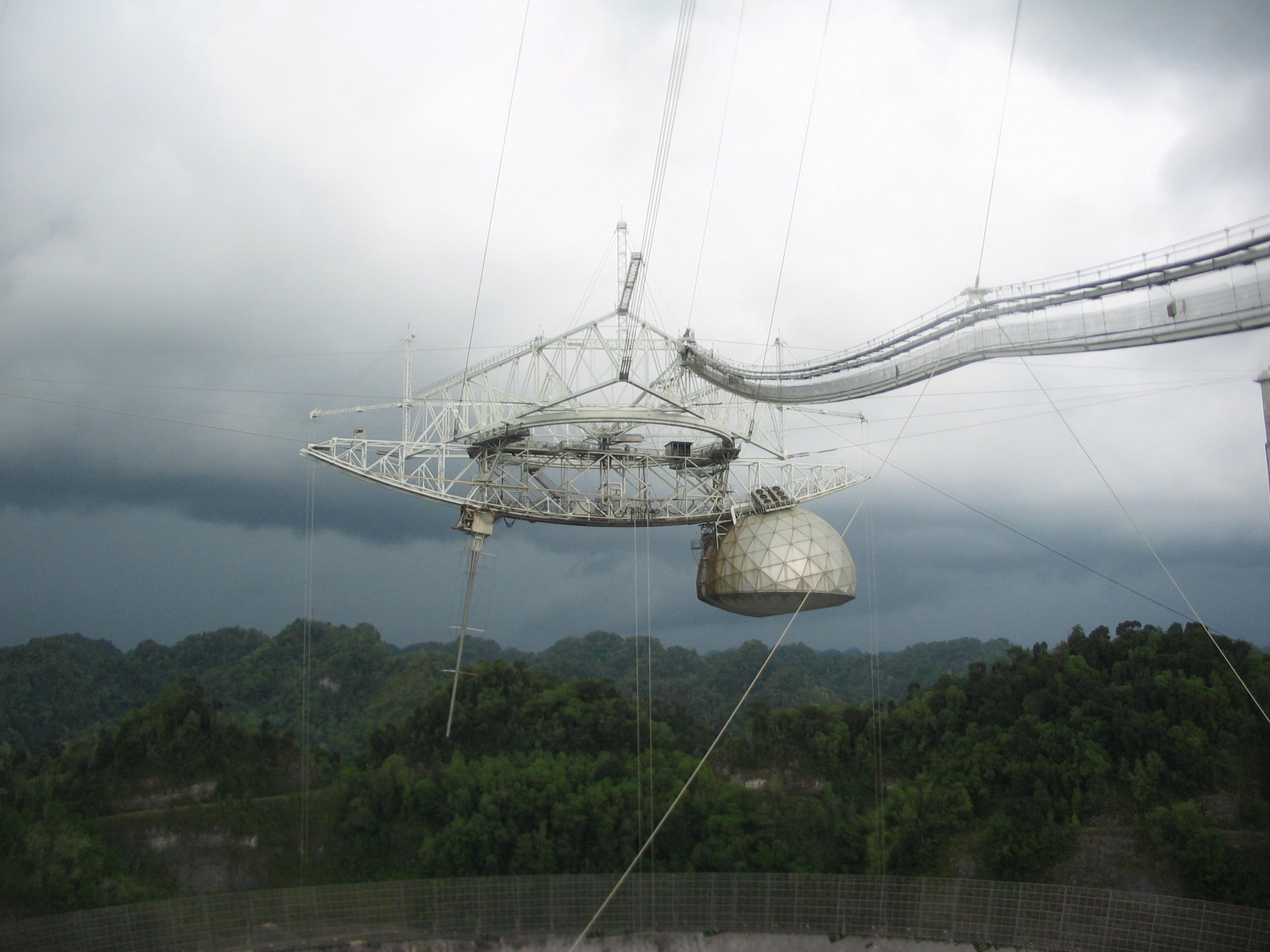
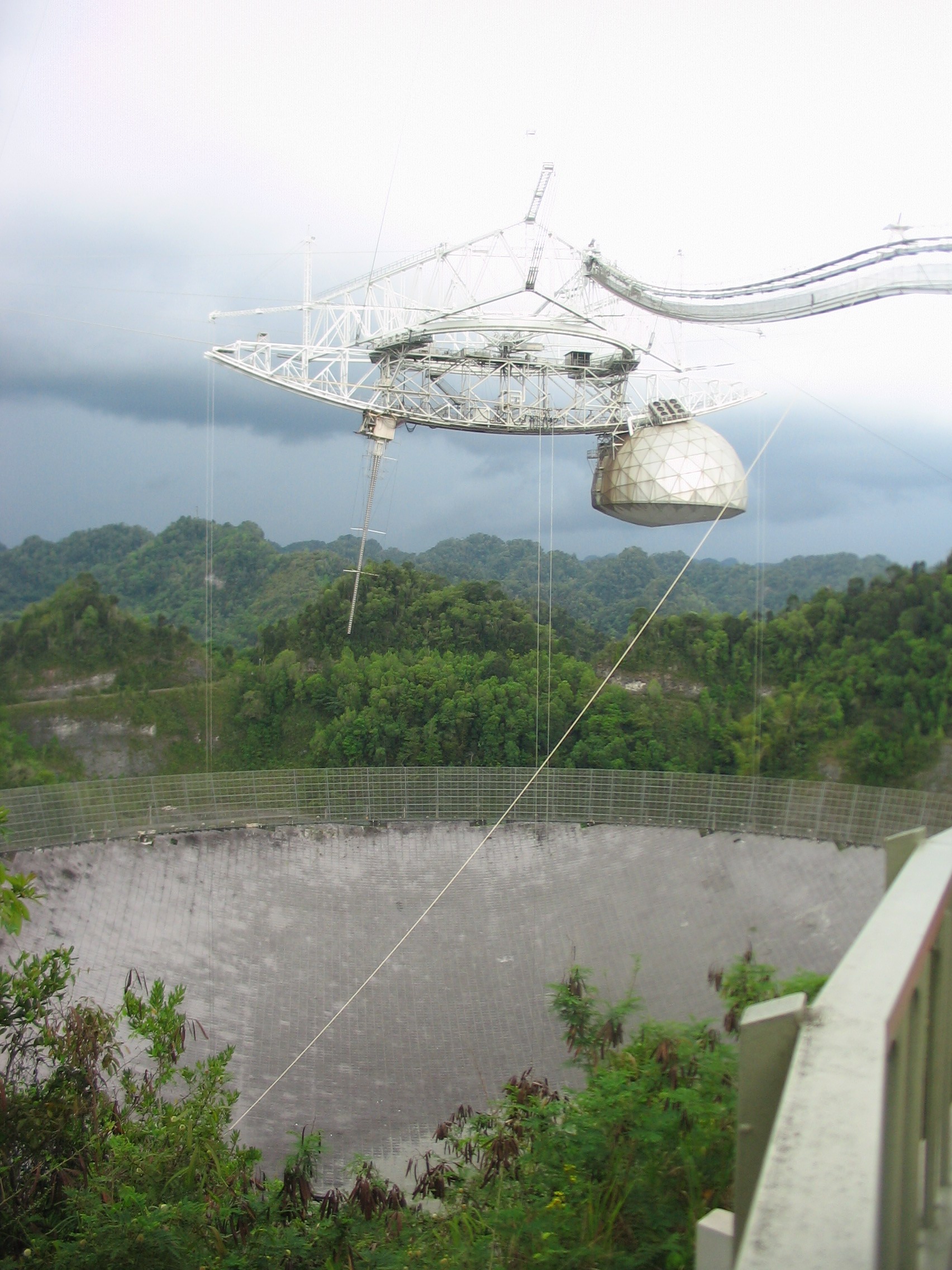
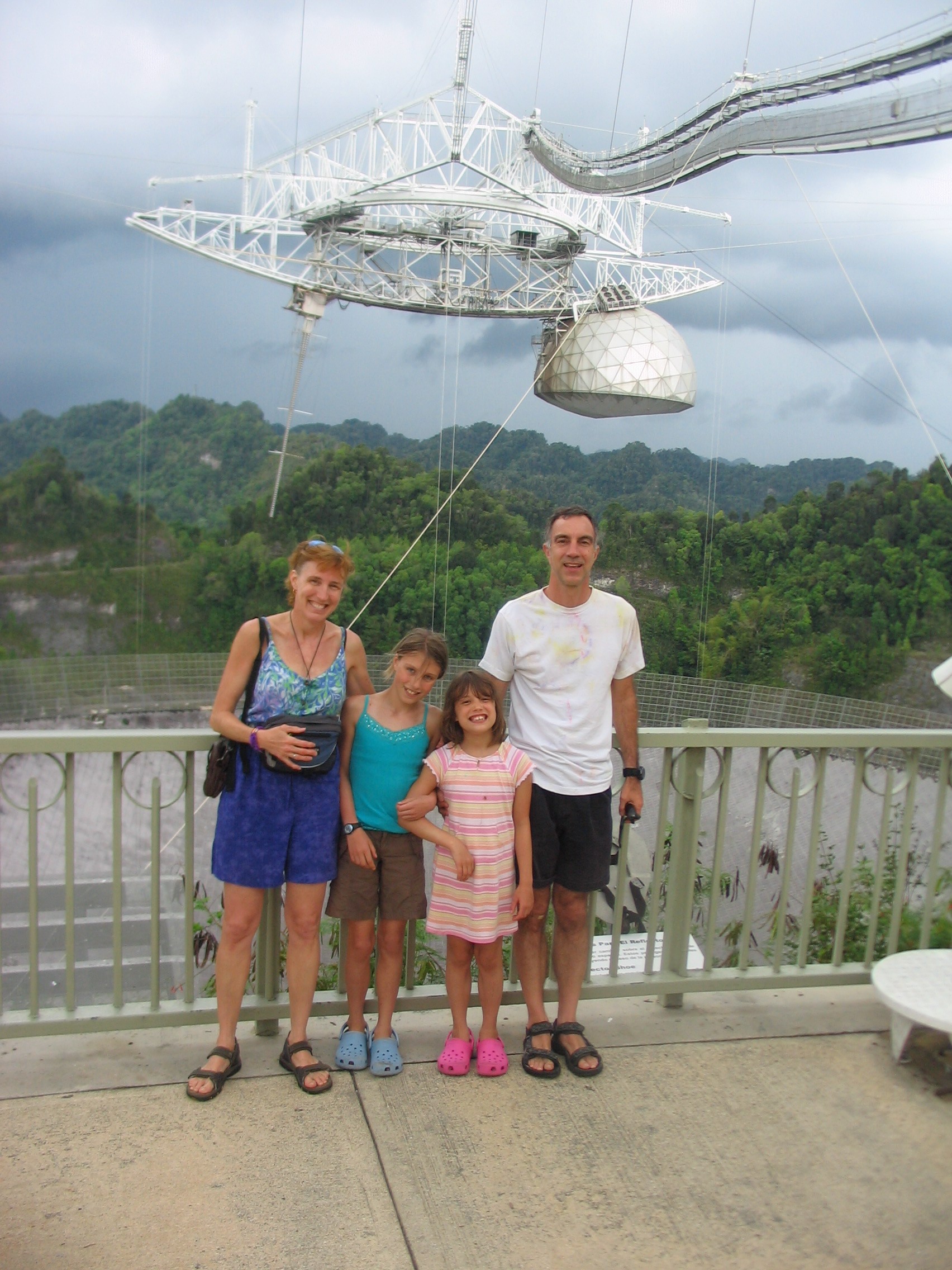
Our family visited Arecibo Observatory to see the 1,000-foot radio-telescope constructed in a sinkhole in the karst region of western Puerto Rico during a vacation in April 2008. The radio-telescope and its visitors center offered a fascinating exploration of space for my two science-minded kids. Naturally, they don’t remember it all today. But Bob and I do! That’s why, when we heard that the colossal radio-telescope had collapsed last year, we booked tickets as soon as the facility reopened to see how it looks now.
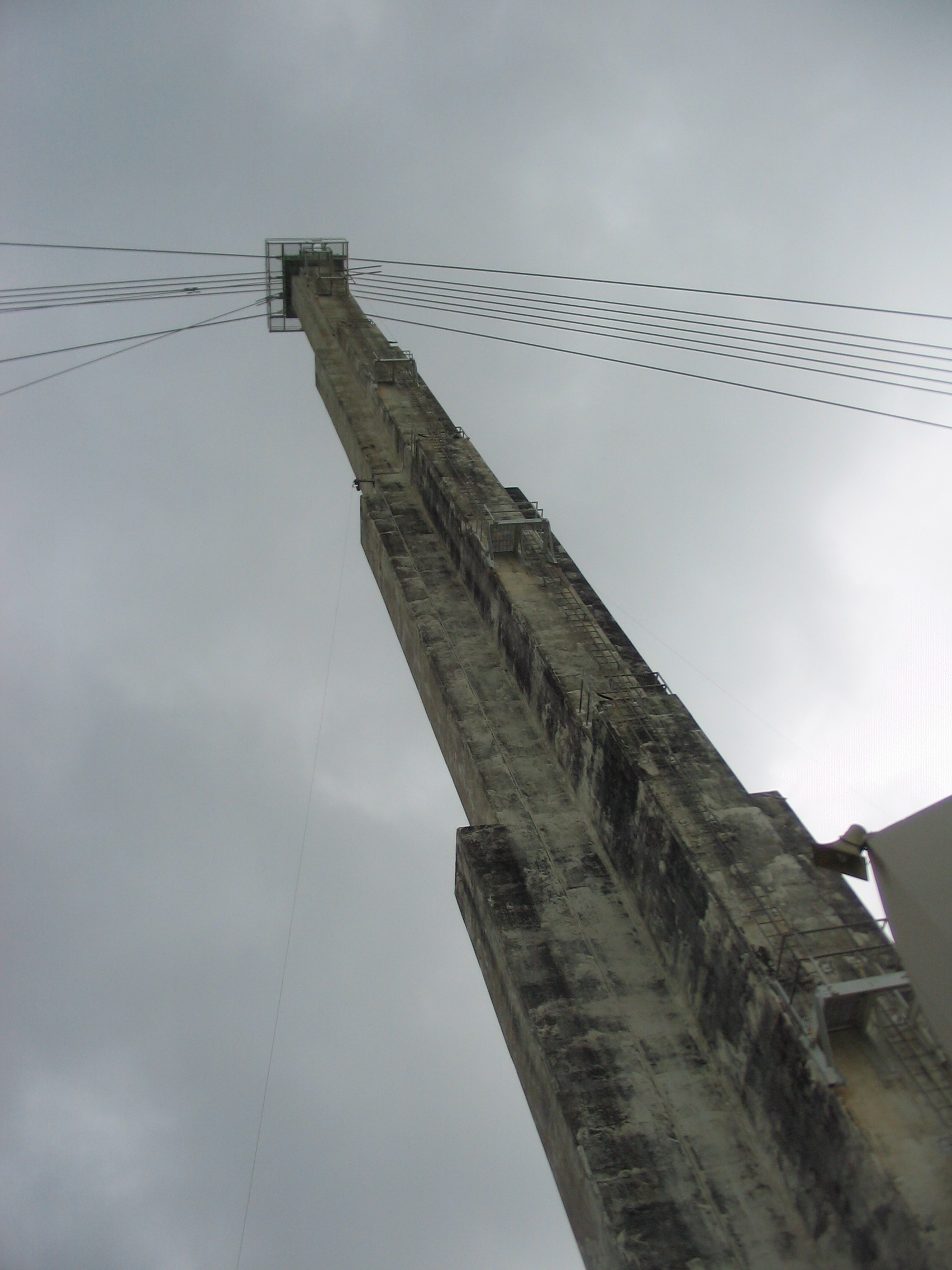
Arecibo Observatory in 2008
Here are some photos from our 2008 visit with our kids, Aryk and Gavin, who were 10 and 7.
The thing on the right is the Gregorian Dome36 cables held the telescope and dome up
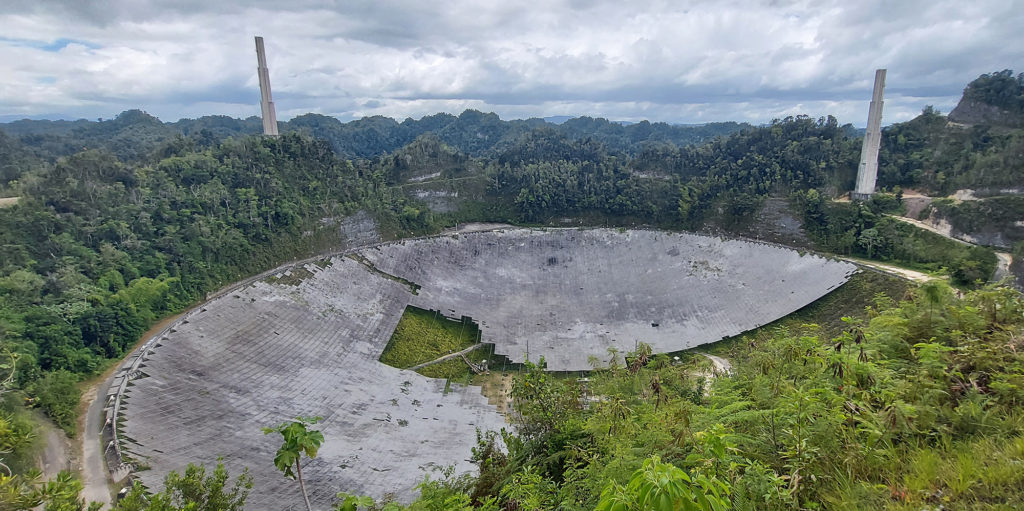
Arecibo Observatory Today
And here is what it looks like, almost exactly 14 years later.
The first three cables snapped in November 2019, and the rest a month later. A couple of years earlier, Puerto Rico experienced a number of earthquakes, which may have compromised the structure’s integrity. But there really is no definitive answer as to why it collapsed.
The Arecibo facility has asked the National Science Foundation for funds to build back better, but has received no answer.
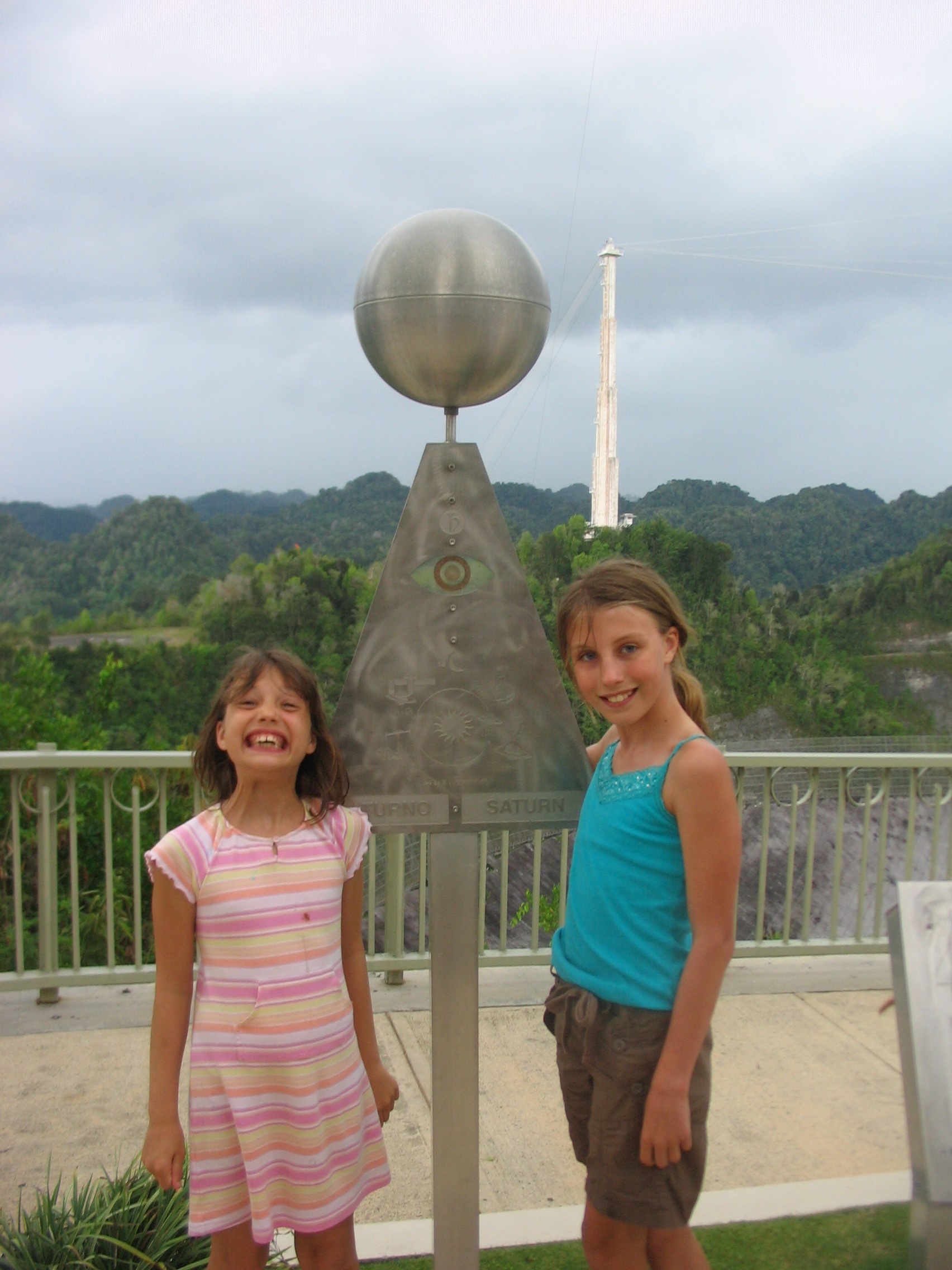
The Past and Present Converge
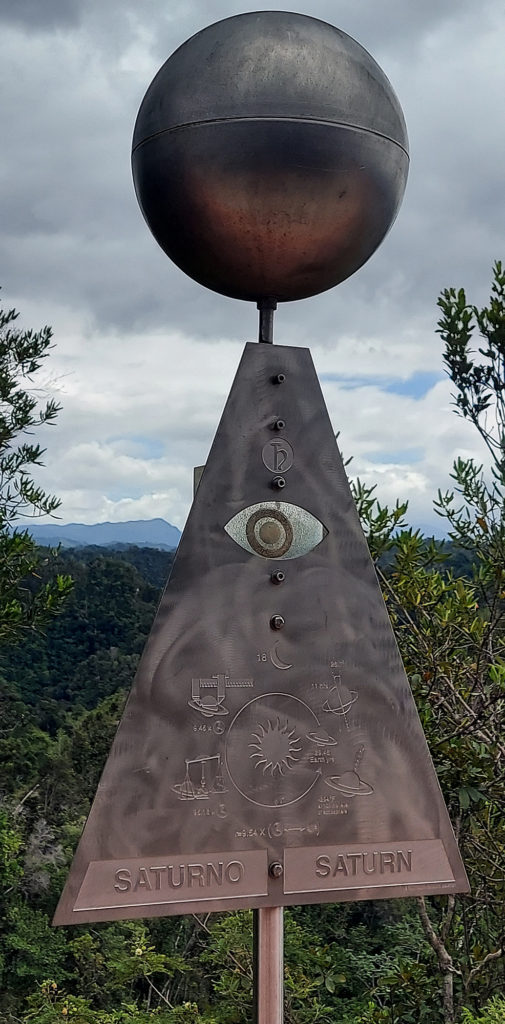
Aryk and Gavin stand in front of the Saturn icon in April 2008. Note the tower support in the back.Saturn, taken in April 2022. Note the absence of any tower structure behind. Same spot, no radio-telescope.
Watch a spectacular YouTube video of the crash here.
The Work Continues Anyway
Despite the collapse of the giant radio-telescope, scientists continue their work at the Arecibo Observatory (AO) to study the huge amount of data collected over 50 years. It is still recognized as a world-leading radio astronomy, solar system radar, and atmospheric physics facility. It contributes highly relevant data to support discovery, innovation, and the advancement of science for the well-being of humankind.
Visitors and Science Center
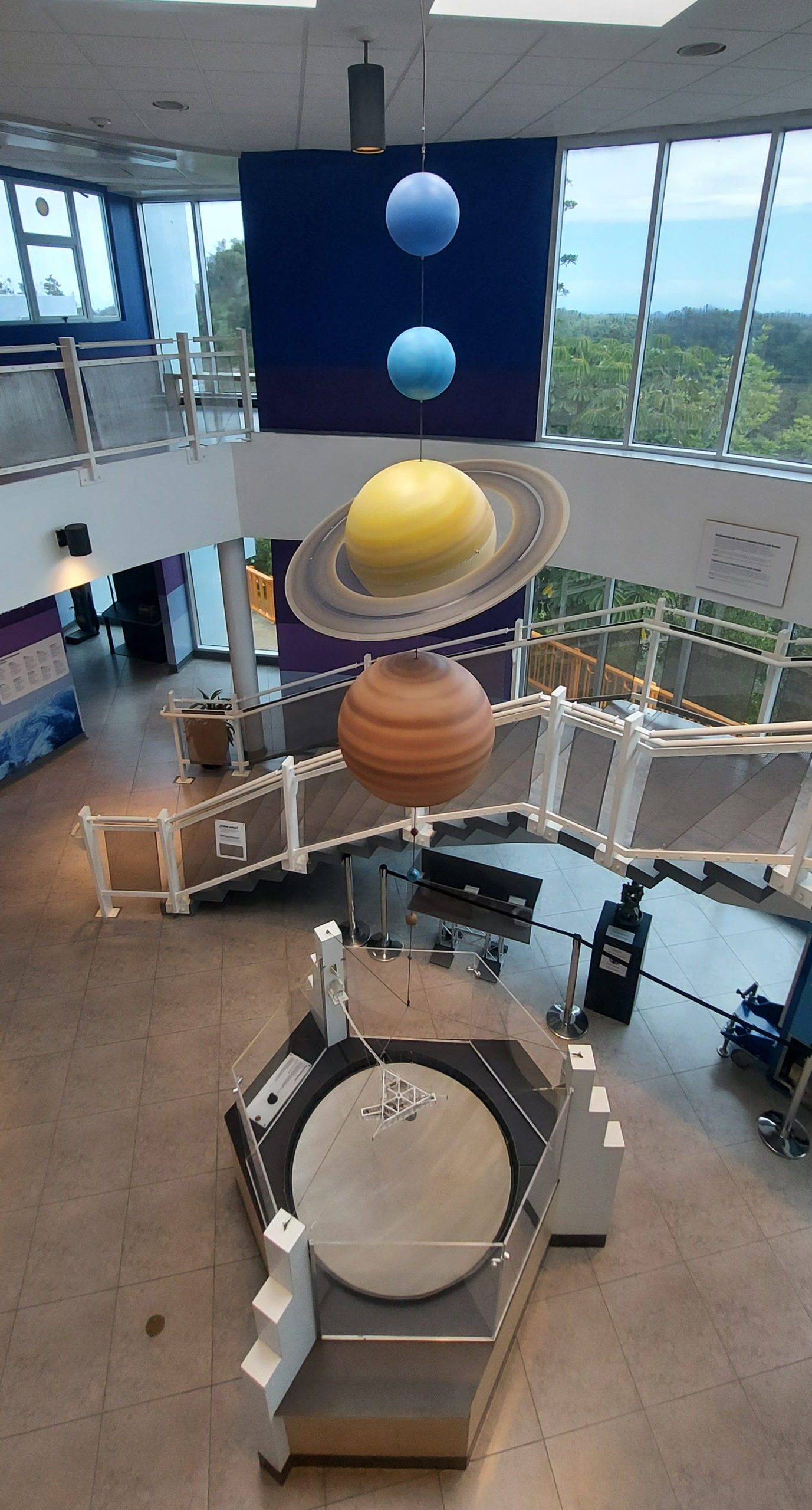
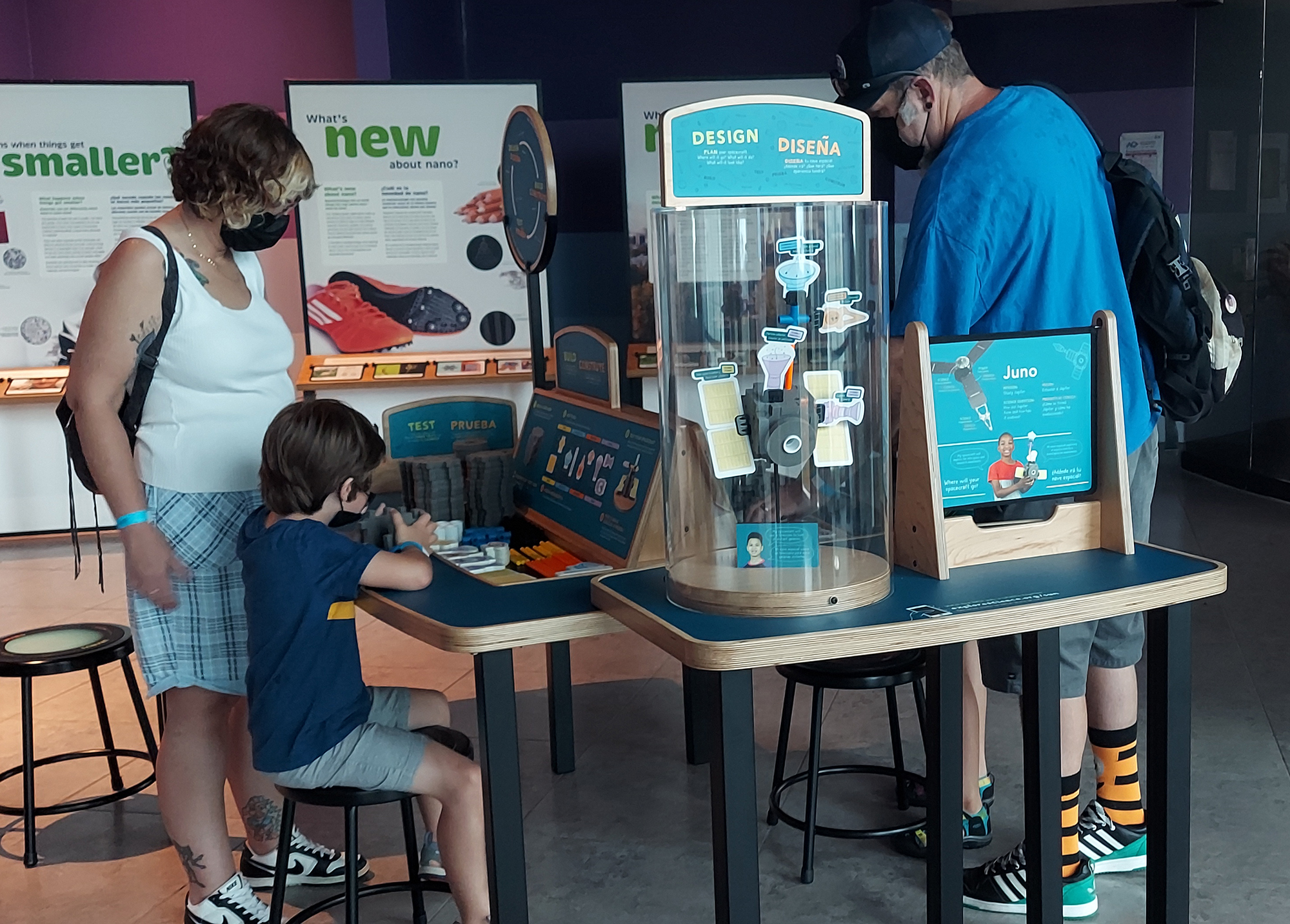
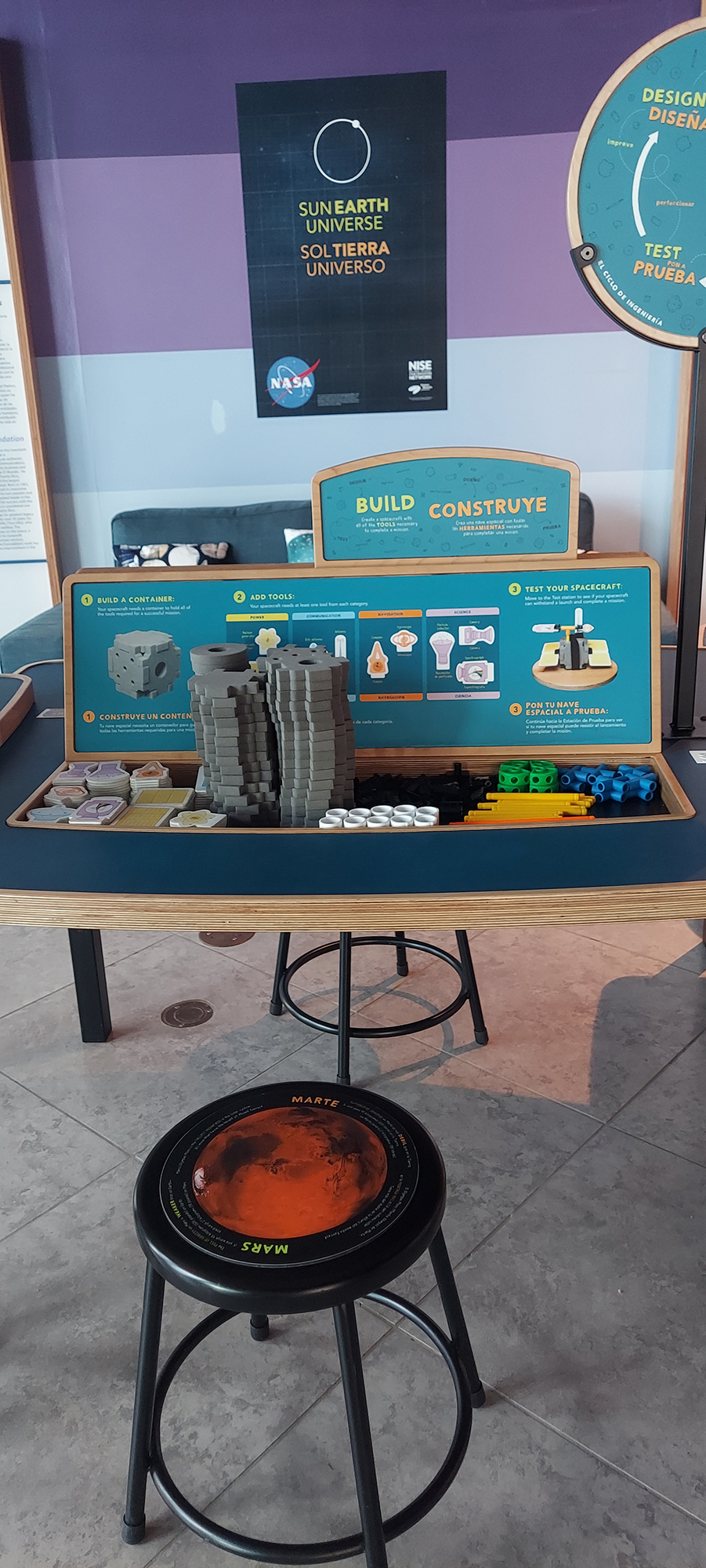
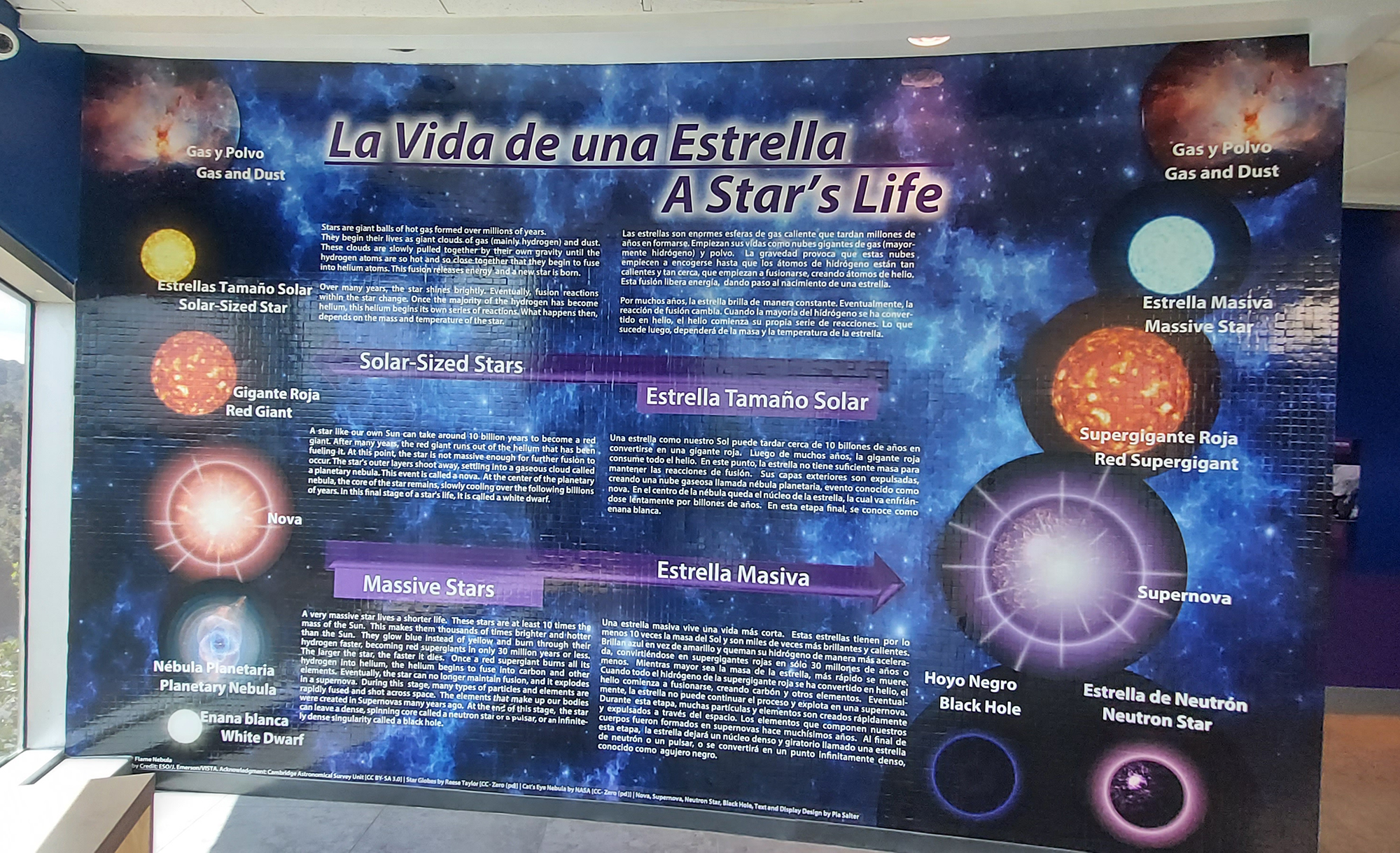
The state-of-the-art Science and Visitors Center holds a lively interactive museum where kids can watch a film, build a spaceship, play games, and see a model of the original telescope. It’s definitely worth the trip!