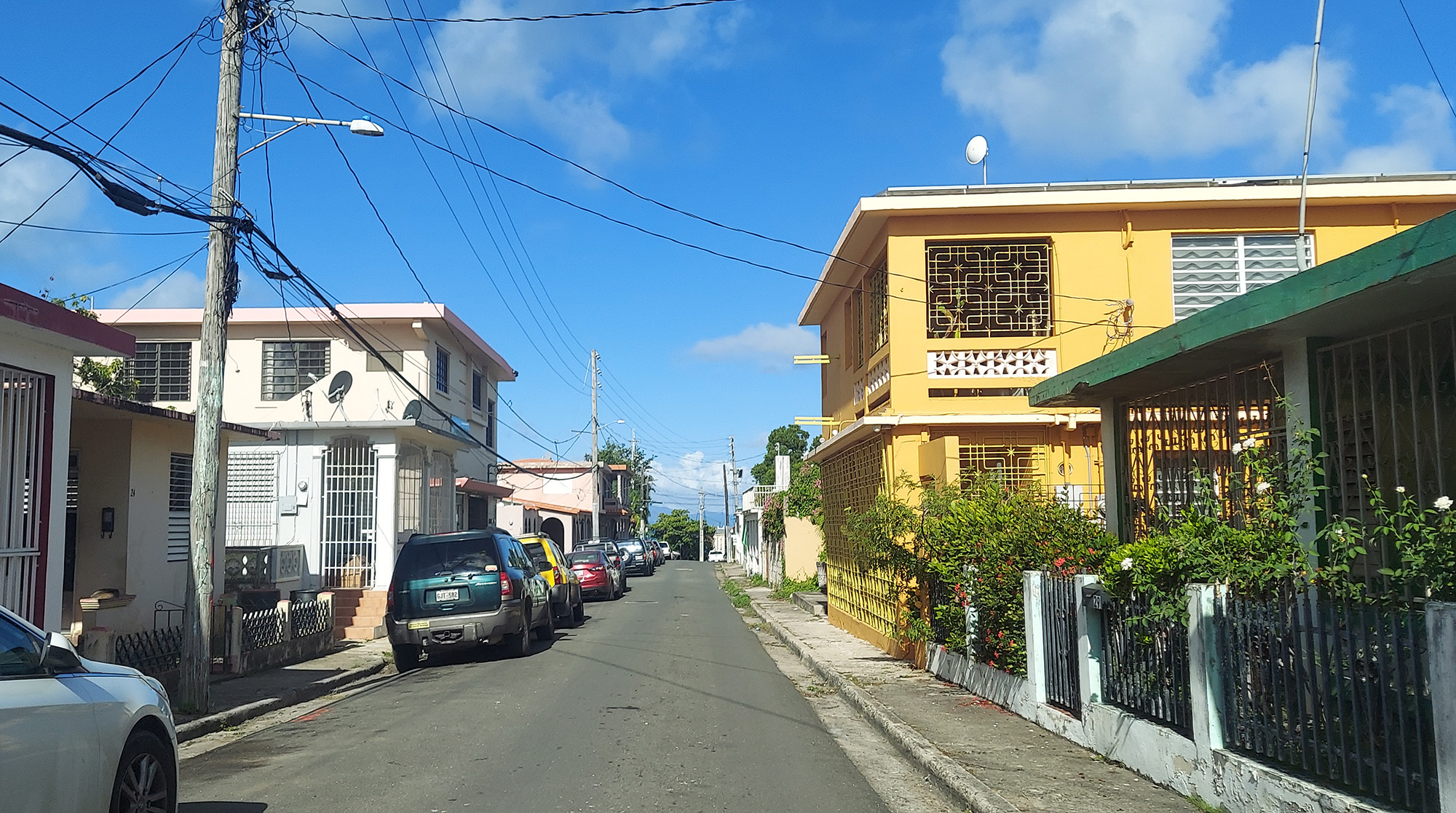
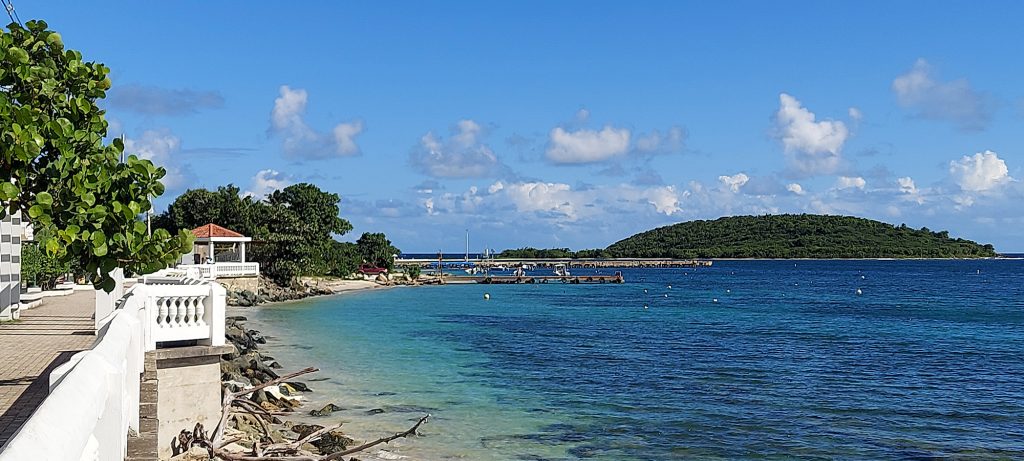
We just spent a glorious month in the northeast coastal town of Luquillo, Puerto Rico. When we left our seventh-floor condo with its glorious view of the ocean after a month’s stay, we thought sadly that there was no way our next place could possibly be as good. Especially since it was in San Juan, a metropolitan area, instead of an idyllic beach town.
We were wrong.
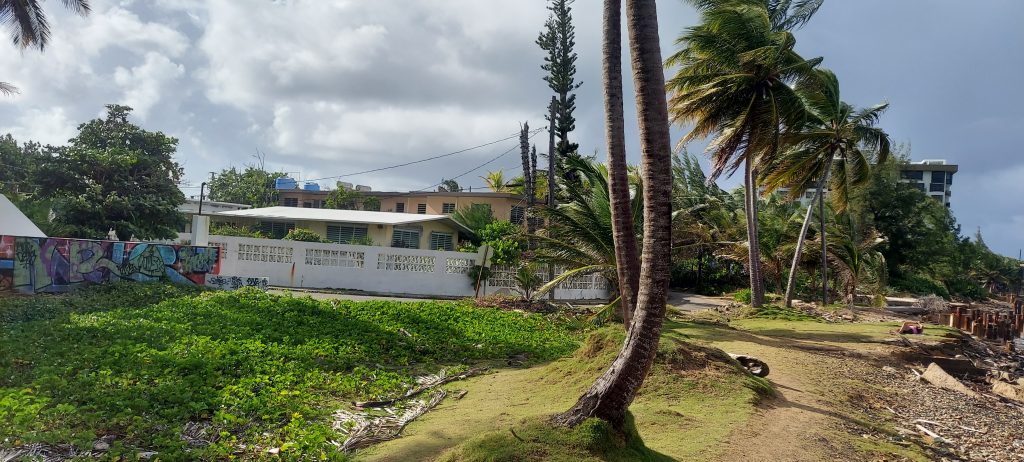
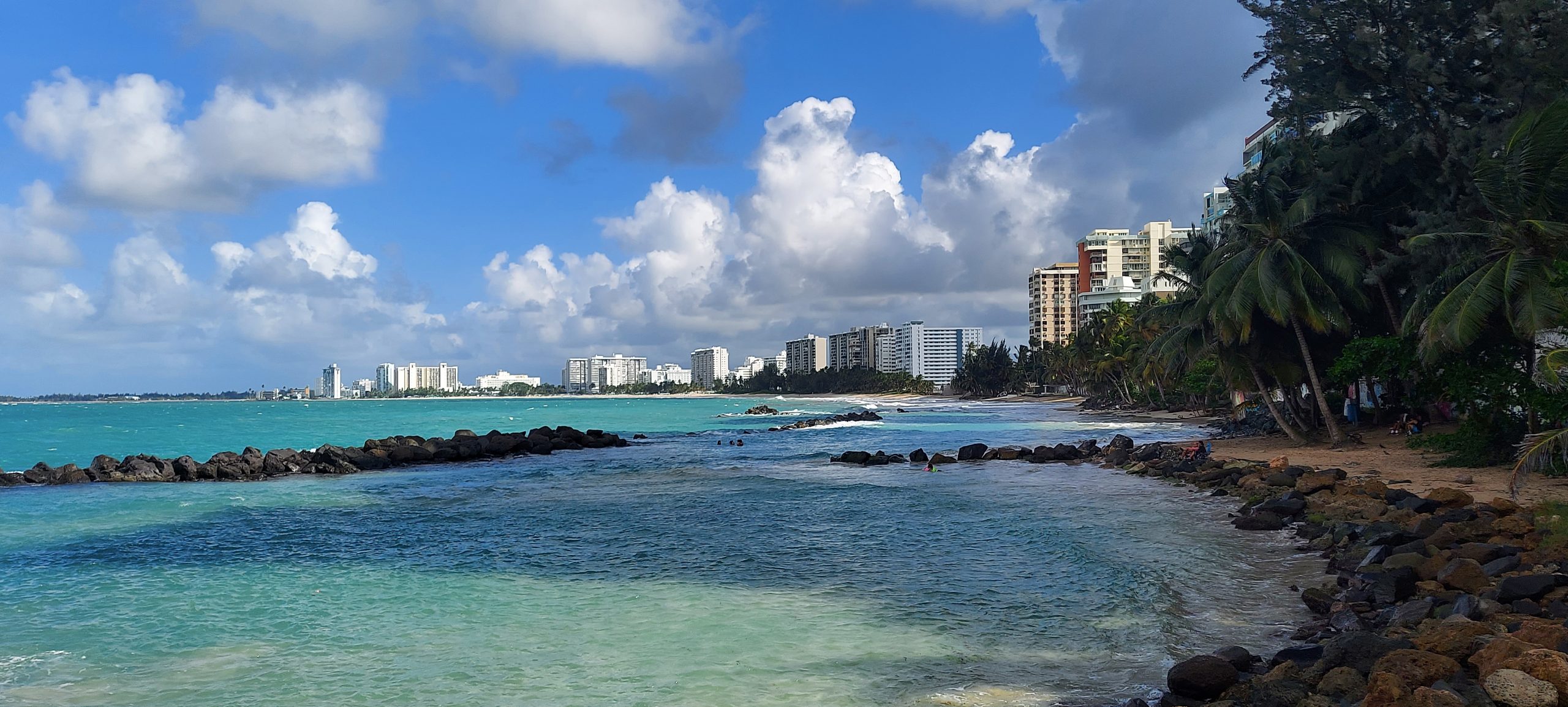
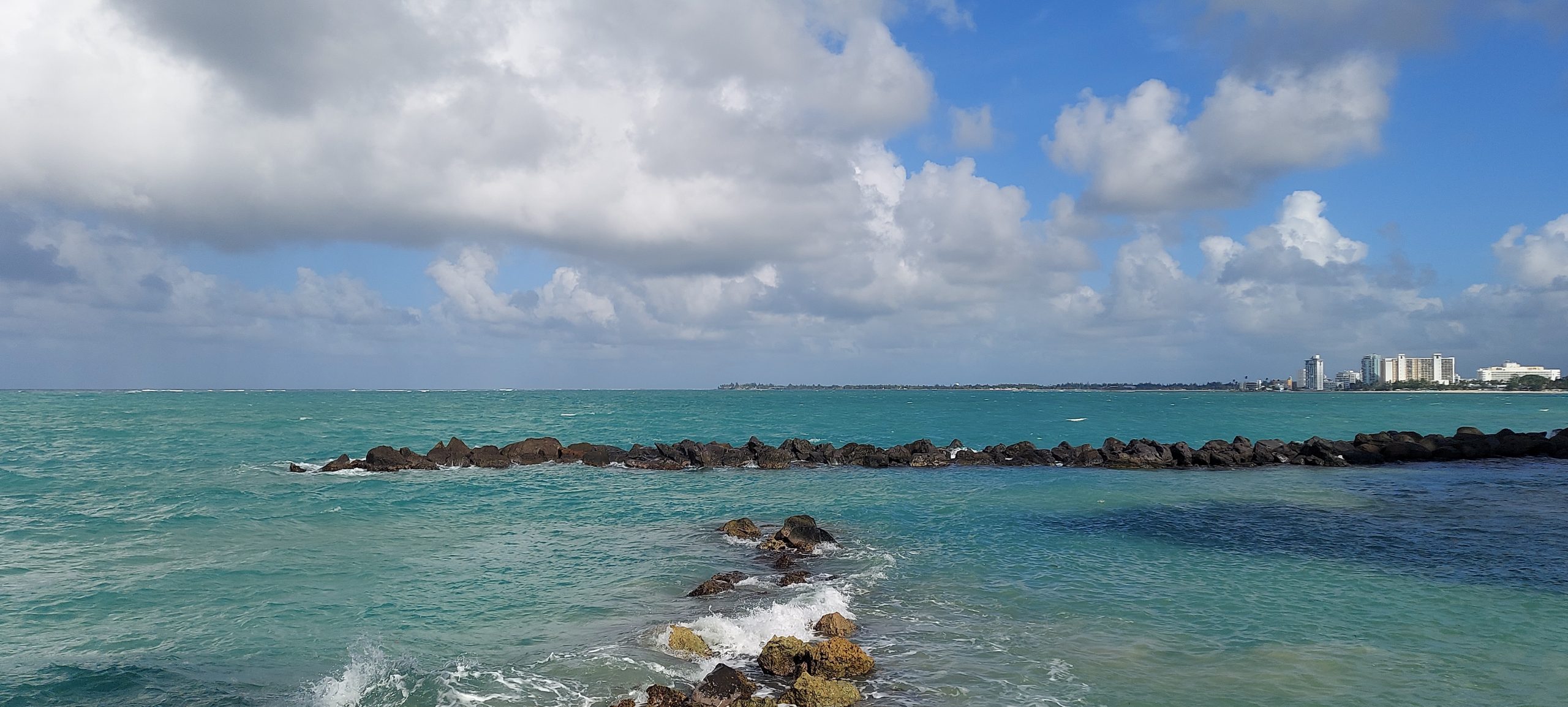
The pink one on top is our house at Punta las Marias. This is the view walking back from the beach.
I Hate Halfways
I always have trouble with the concept of “halfway.” Any time I’m on vacation, I get a little depressed when we pass the midpoint. In my mind, every minute from then on takes me a step closer to the end of vacation.
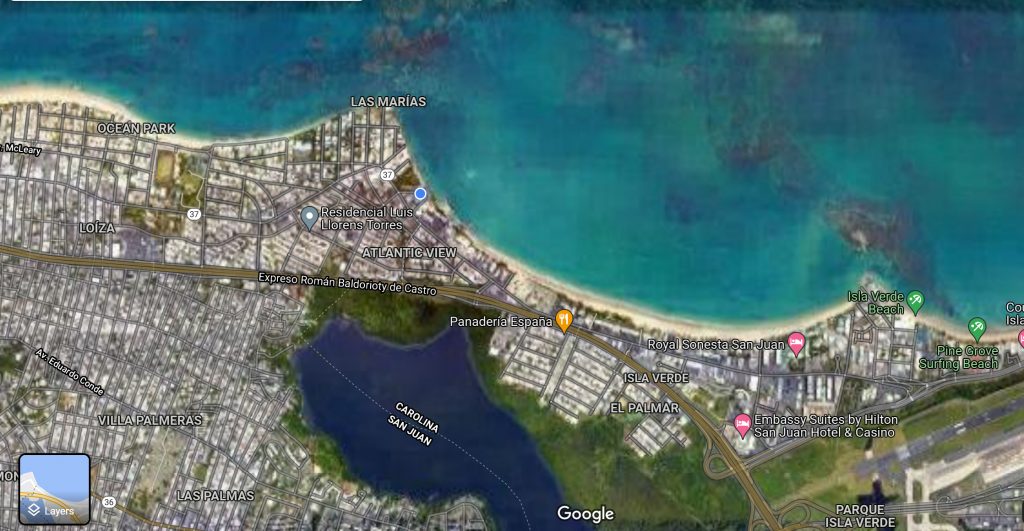
So we have one month left of our stay in Puerto Rico, and that meant moving to our second residence, just 40 minutes west. When we pulled into the driveway of 6 Calle Villa Internacional at Punta Las Marias, a coastal residential neighborhood at the eastern edge of San Juan, we were greeted by John Lombardo, the gregarious American who owns this house, his friendly old dog Lola and cat Putzie. He immediately made us feel at home, giving us a tour of the property and our apartment.
Our house is the blue dot
There are actually four apartments in two adjacent houses united by a covered courtyard. John and his wife Sylvia live in the front building, and there are two units on the ground floor. As he led us to ours, Kaylee in tow in her travel crate, we passed several comfortable seating areas, a desk and chair, two hammocks, and a barbecue grill. Kaylee hissed at the curious cat and dog as they sniffed at her before we ascended the stairs to our apartment.
And what an apartment!
It exceeded all expectations.
First view
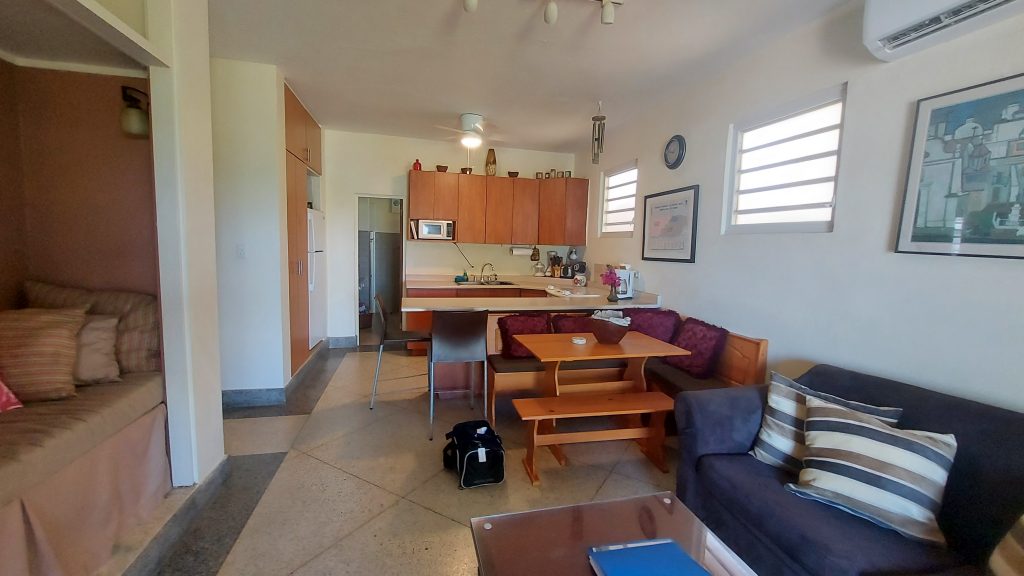
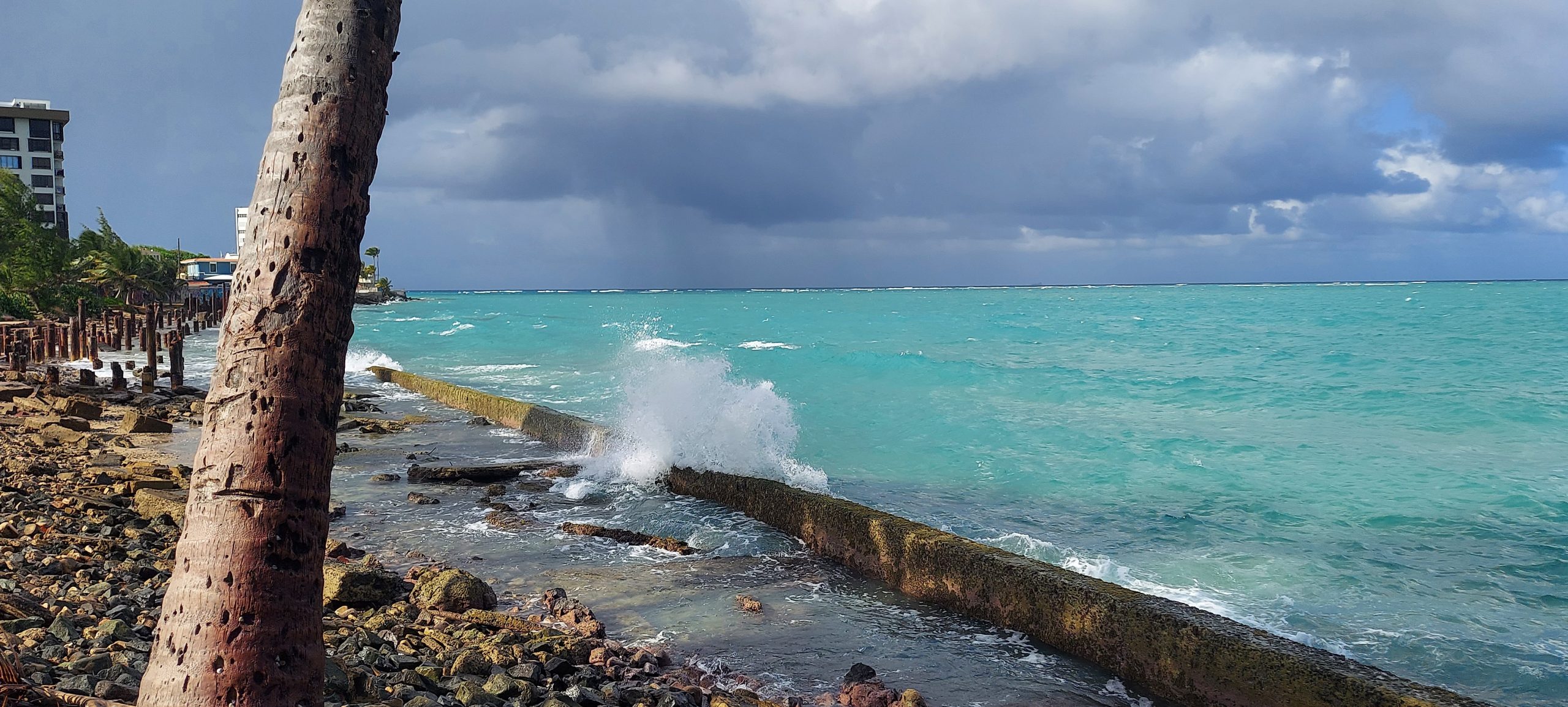
First of all, the ocean is crashing against the rocks literally 50 feet from our front door. Salty breezes chase each other through the apartment. The unit is huge, with two large bedrooms, two large bathrooms, and a generous living/dining/kitchen.
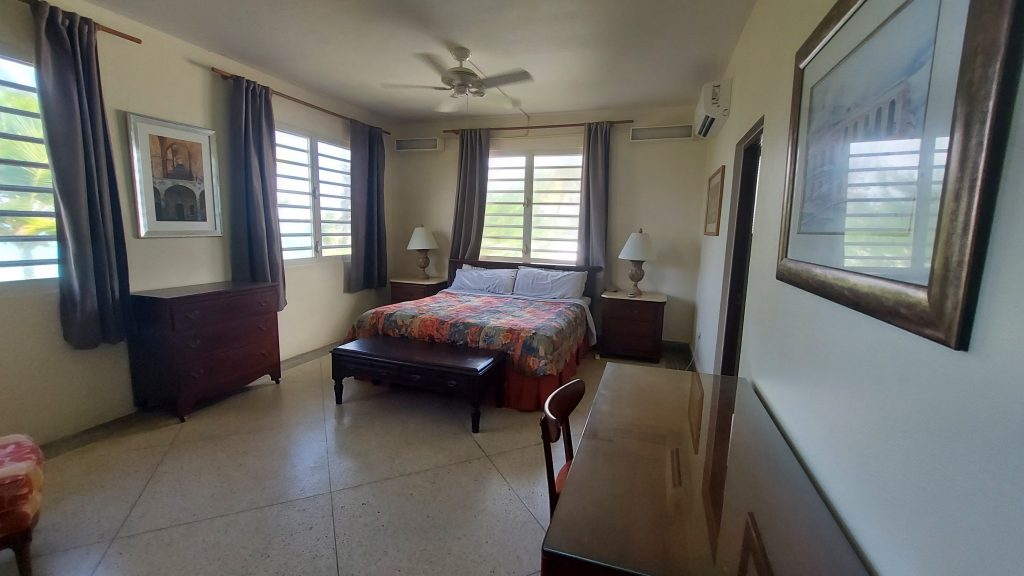
The master bedroom has a king-sized bed, a sitting area, a large desk, and a huge walk-in closet.
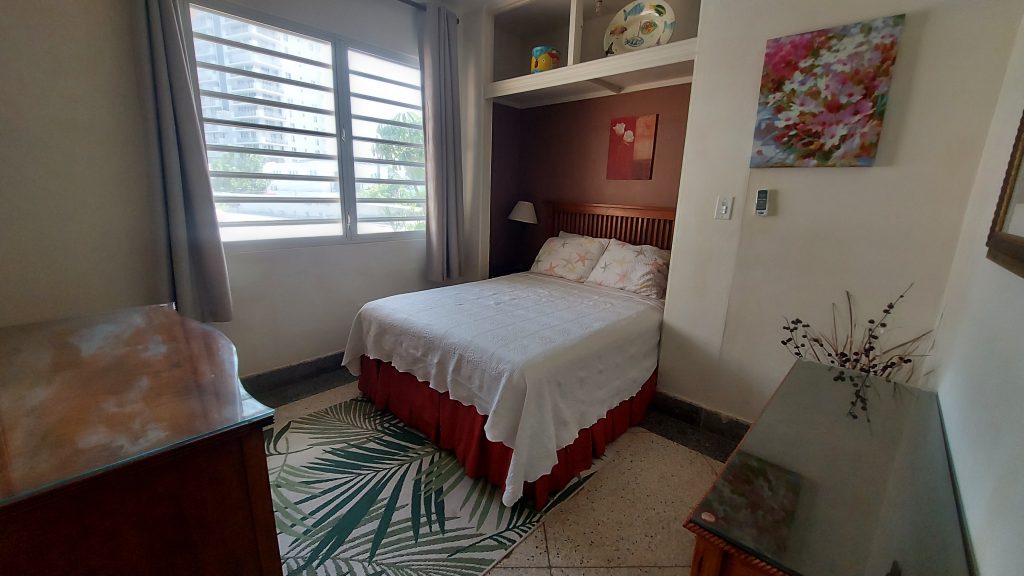
The second bedroom, which Gavin will use when he comes home for Thanksgiving next week, has a queen-sized bed (which Kaylee the cat immediately claimed) and a desk (which Bob immediately claimed).
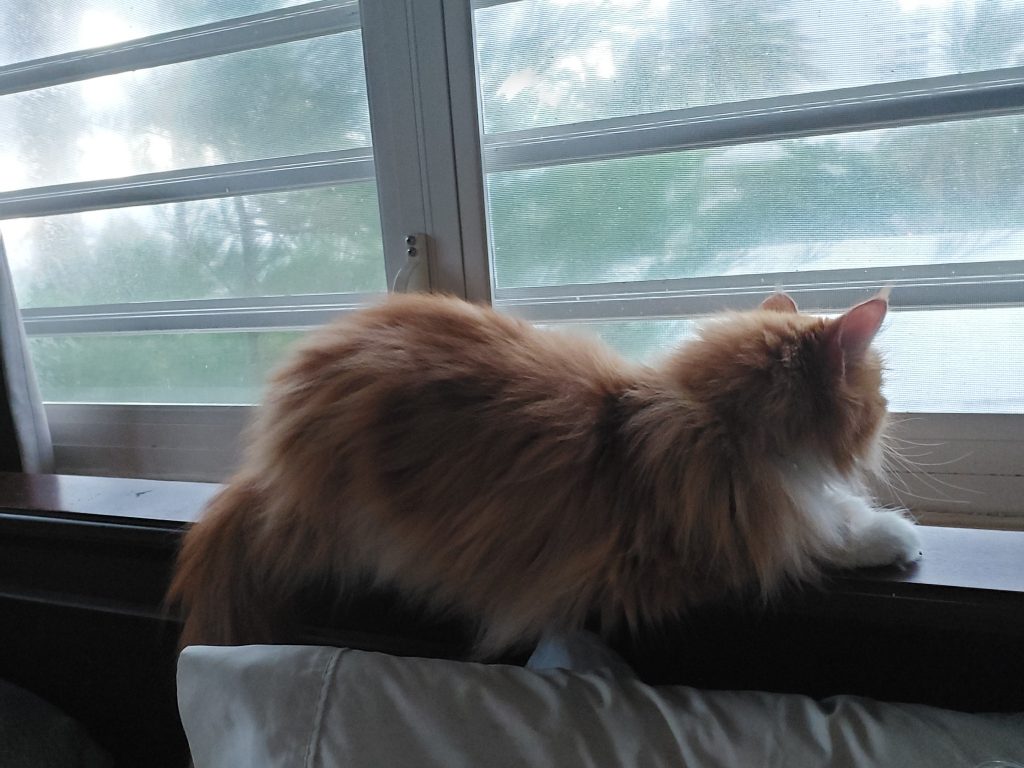
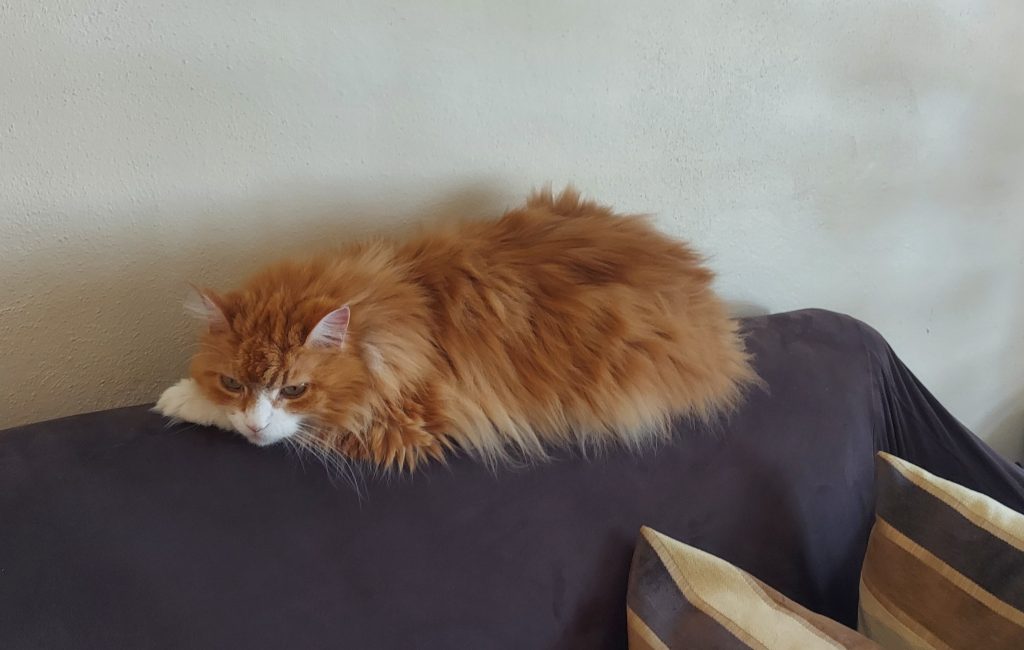
Kaylee also loves the little rug in the living room. When we were in Luquillo, it took her a month to relax into the place. Here she has immediately adjusted.
Kaylee likes everywhere and everything
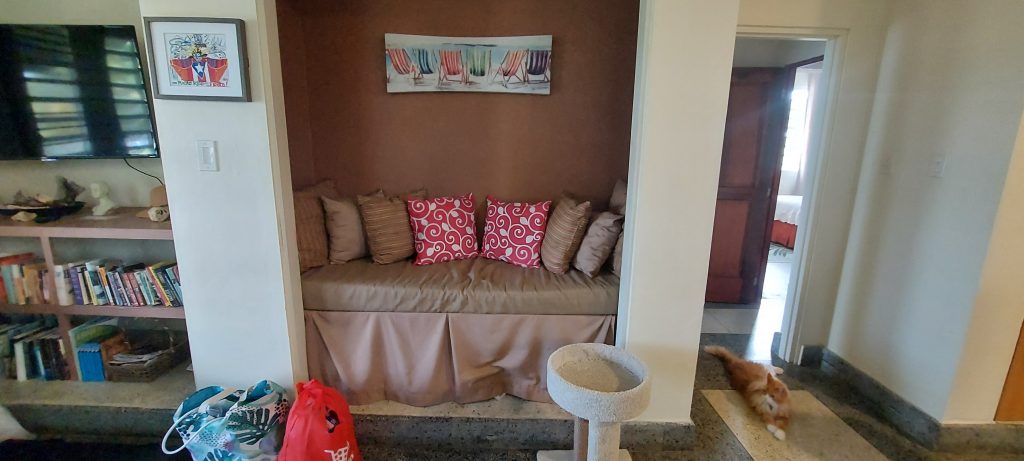
The piece de resistance for me is the reading nook next to a bookshelf.
Great Location
We can walk out to the ocean, turn right, and walk to Isla Verde Beach. We’re a block off Calle Loiza, a street famous for its huge variety of restaurants and coffee shops. There’s an ice cream shop on the corner and a coffee shop with the best brunches in town a block away. Even the grocery store is within walking distance. Old San Juan is a 15-minute drive.
Views from the house
Visiting Cat
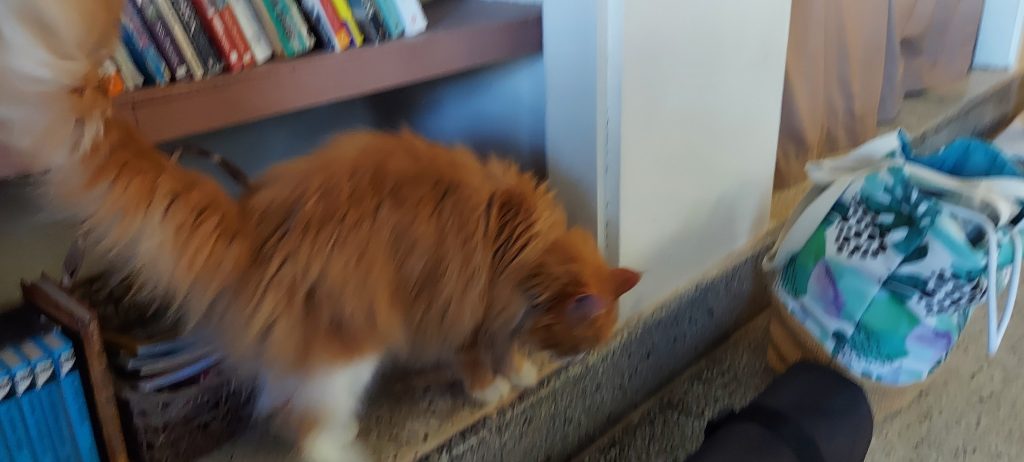
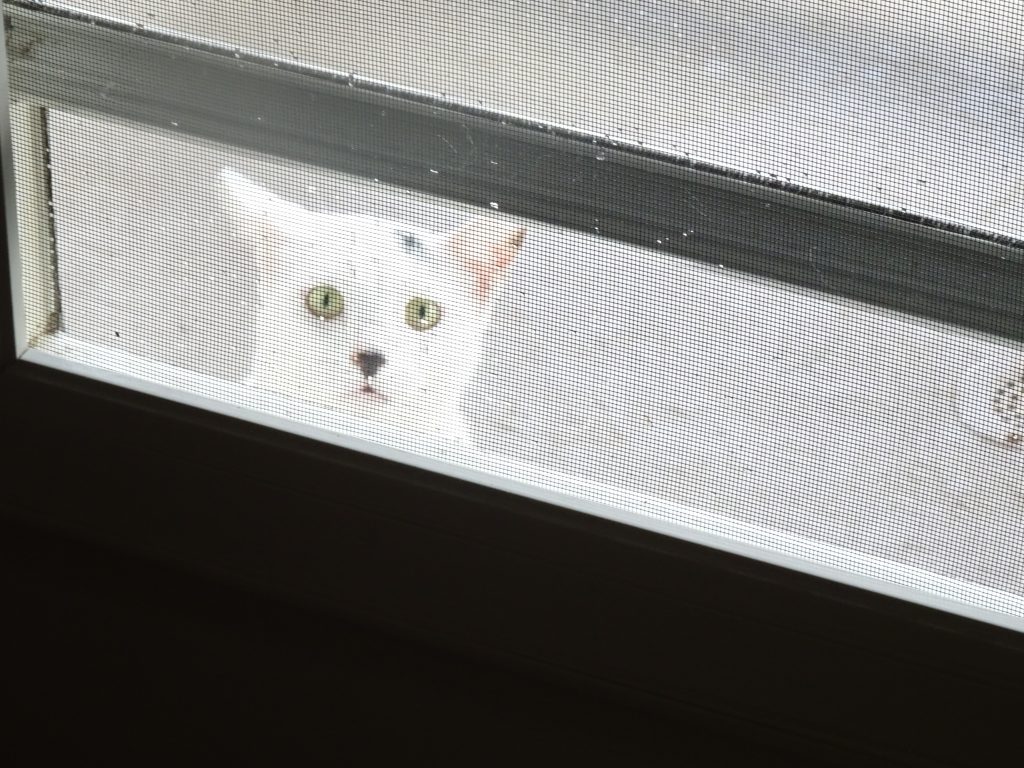
Putzie keeps dropping by to visit. A couple of days ago she licked my yogurt bowl clean on the patio and Kaylee hissed at her through the screen. This morning she returned and peed on the pavement and rug right outside the door, marking the territory as hers. We’ll keep you posted on the kitty drama.
I think we’re going to be happy here. Kaylee certainly is. This place just feels like home.
Who would expect to have to stop for wandering horses when driving along a dirt road on a Caribbean island? Or to see swirls of neon blue when you dip your kayak paddle into an inky bay at night? Or to see a cluster of plants and rocks on the seafloor start moving, only to realize that clump is actually a creature?
Surprise! That’s the best word to describe the island of Vieques.
To the uninitiated, Puerto Rico is a popular Caribbean vacation destination, a bigger island than most. But most people are unaware that PR is actually made up of a number of islands. The two largest (besides the mainland), Vieques and Culebra, are tropical paradises sitting a few miles off the east coast, their natural wonders just waiting to be discovered.
We visited the larger one, Vieques, this week and will spend a couple nights on Culebra in December.
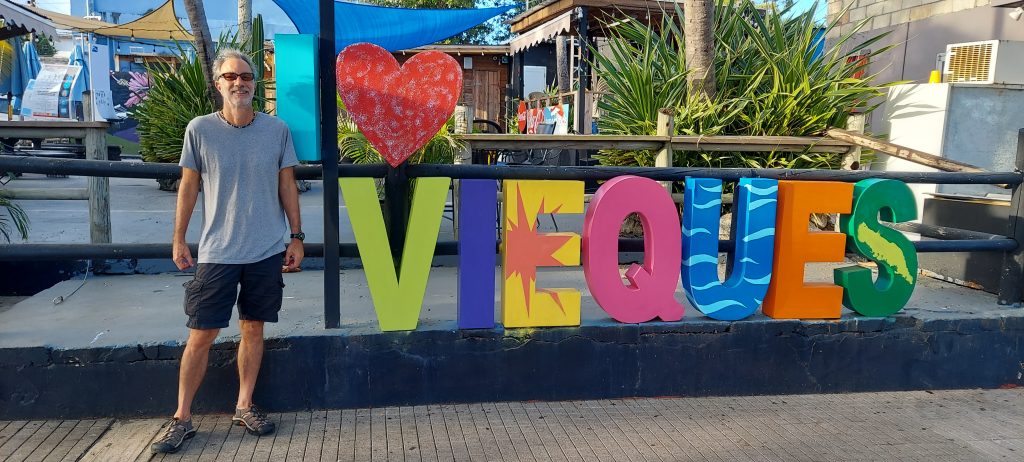
Bienvenidos a Vieques!
Getting to Vieques
Vieques is located just 7 miles off the east coast of Puerto Rico. You can take a ferry to get there, but we opted for a ten-minute flight on Vieques Air Link from the east coast airport of Ceiba. The flight was $80 round-trip, much more expensive than the $4 R/T ferry ride. But the ferry can be unreliable, waits can be long, and the water can get very rough, inducing seasickness – unless you’re truly unlucky and can’t get on board at all. Get more info here.
We chose comfort, convenience, and guaranteed seats – which meant packing like sardines into a tiny 8-seat plane for the eight-minute flight. There are also flights to Vieques from two airports in San Juan, but which are more expensive. There are also several air providers, but we chose the local one, Vieques Airlink. Get more info here.
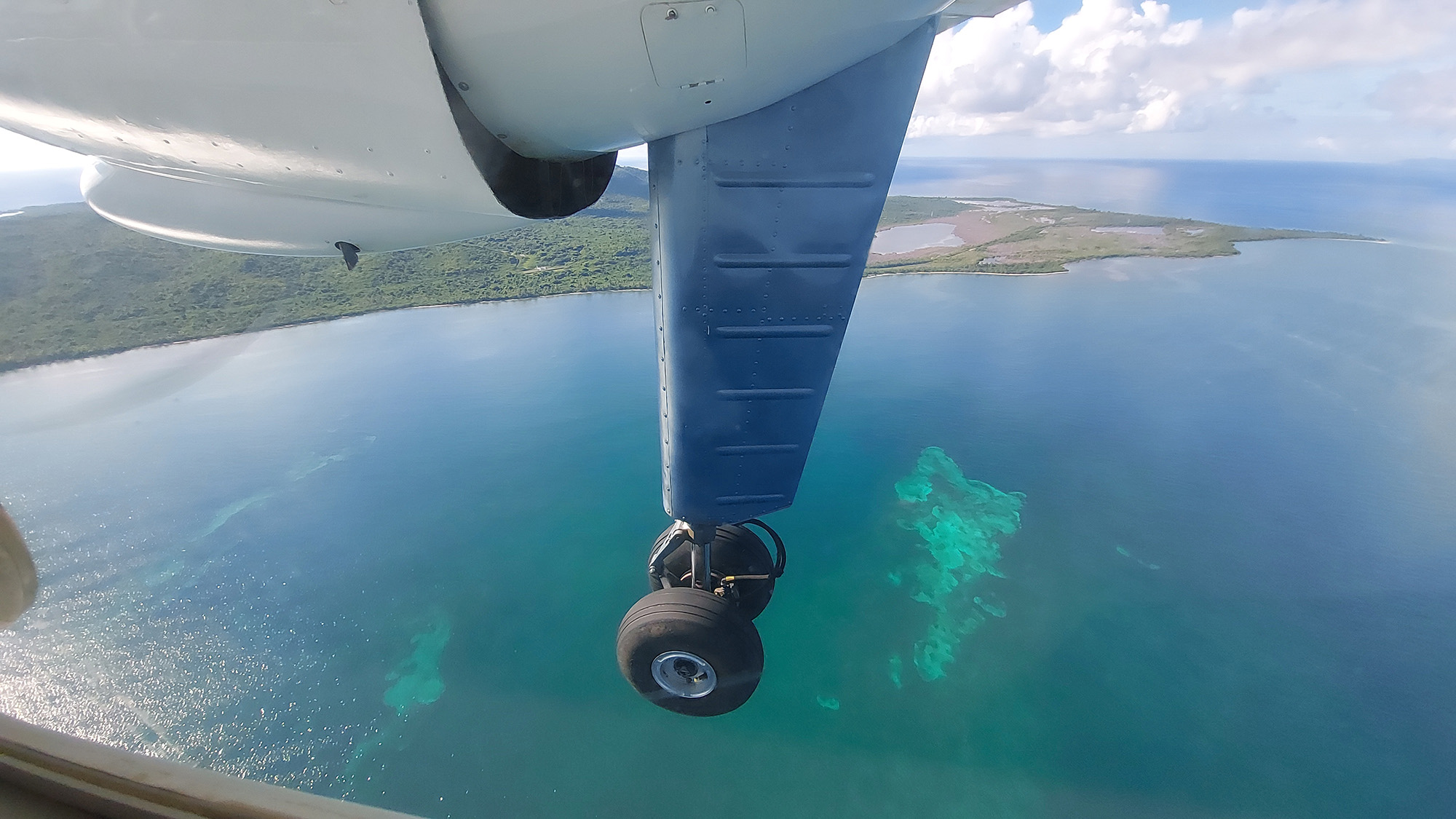
View from the plane
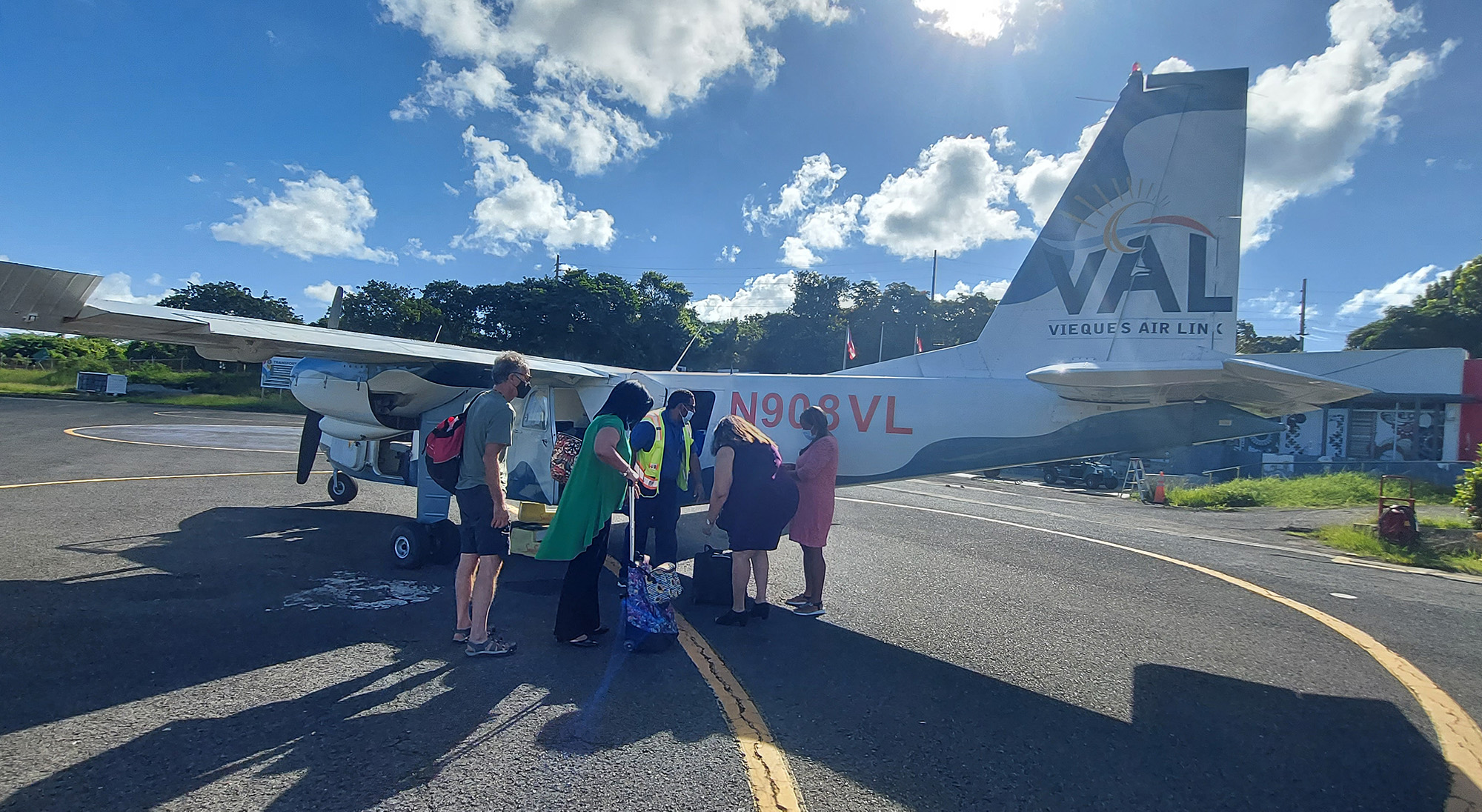
Getting our luggage
Exploring Vieques
People don’t go to Vieques for nightlife. They go for the nature. The island is quiet, lush, and uncrowded, with unmatched natural beauty. Vieques is home to the brightest bioluminescent bay in the world, Mosquito Bay. Travelers will discover countless undeveloped beach coves, as well as the largest natural wildlife refuge in the Caribbean. They’ll also discover rough, bumpy roads, which is why renting a 4WD vehicle is essential.
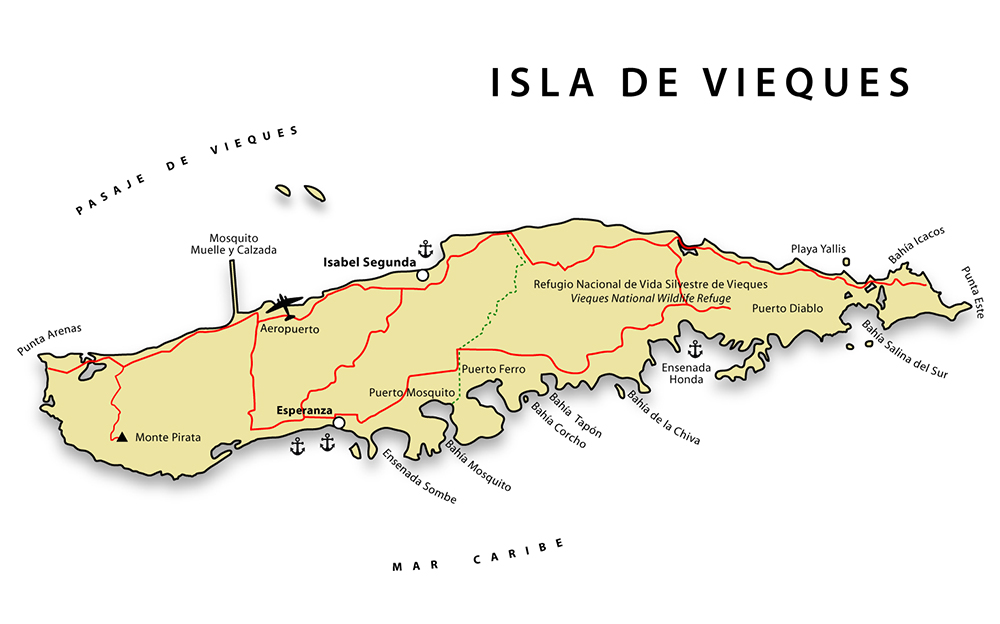
Vieques is 20 miles long and four miles wide. The Atlantic Ocean crashes against its rocky shore on one side, while the Caribbean Sea gently laps the golden sand beaches on the other.
The island has two main towns — Esperanza on the Caribbean coast and Isabel Segunda on the Atlantic coast. Between them, stretching west to east, are lush mountains crisscrossed by narrow dirt roads, with a jumble of colorful concrete houses built to weather hurricanes and the beating sun.
Isabel Segunda, to the north, has all the resources islanders need for their day-to-day lives — a couple of small supermarkets, a few gas stations, Town Hall, the main Plaza, the Ferry Terminal, and a bunch of restaurants and shops.
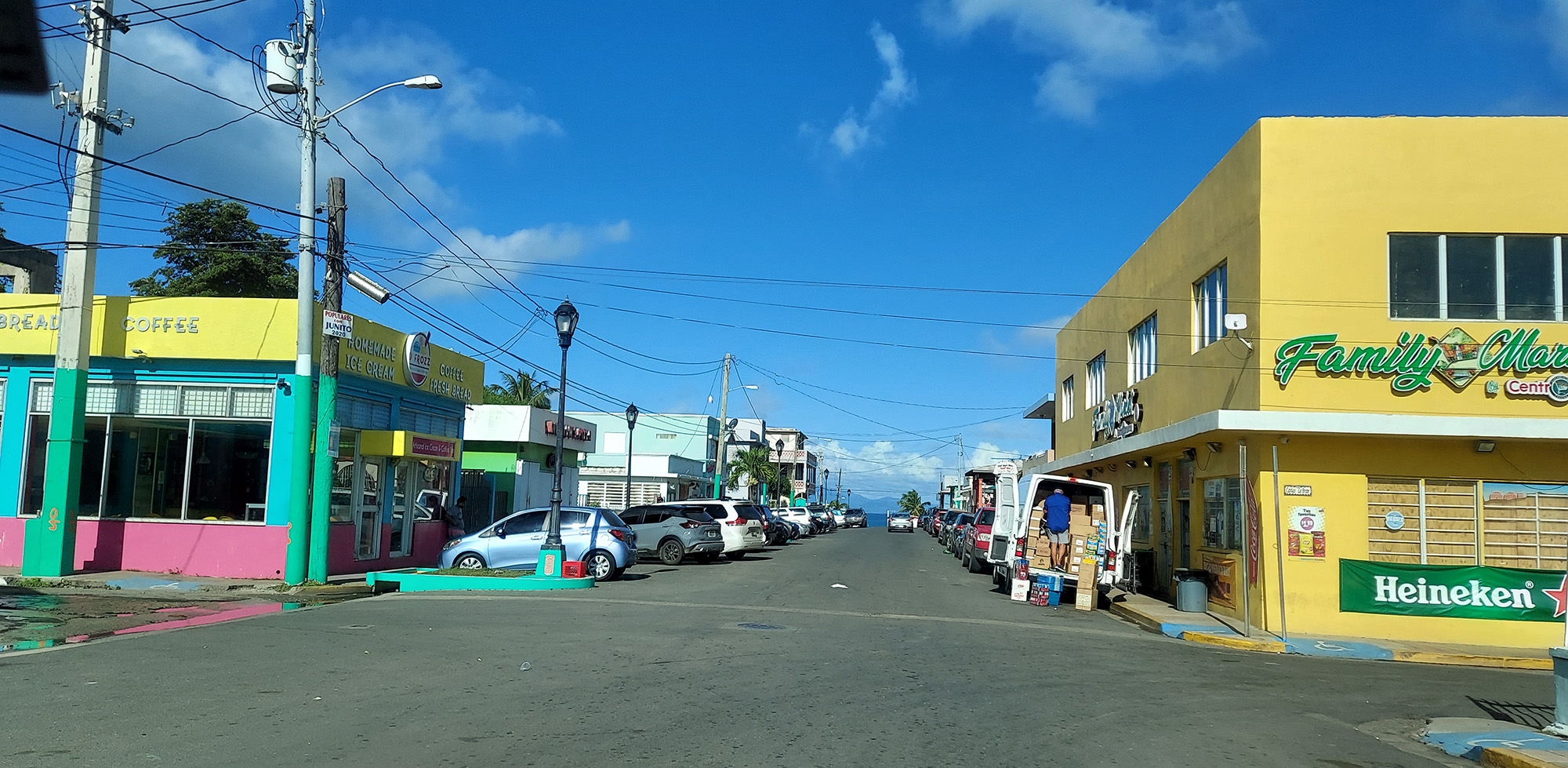
Isabel Segunda main drag
And side street
Esperanza, to the south, has a more bohemian island-life vibe, with a number of open-air bars and restaurants boasting overprices pina coladas and American barmaids, facing a malecon (kind of a boardwalk, only built Caribbean-style with concrete instead of wood) along the coast with spectacular views of Esperanza Bay. Esperanza has a beach within walking distance, making it possibly a better choice if you choose (or are forced) to come to Vieques without a vehicle.
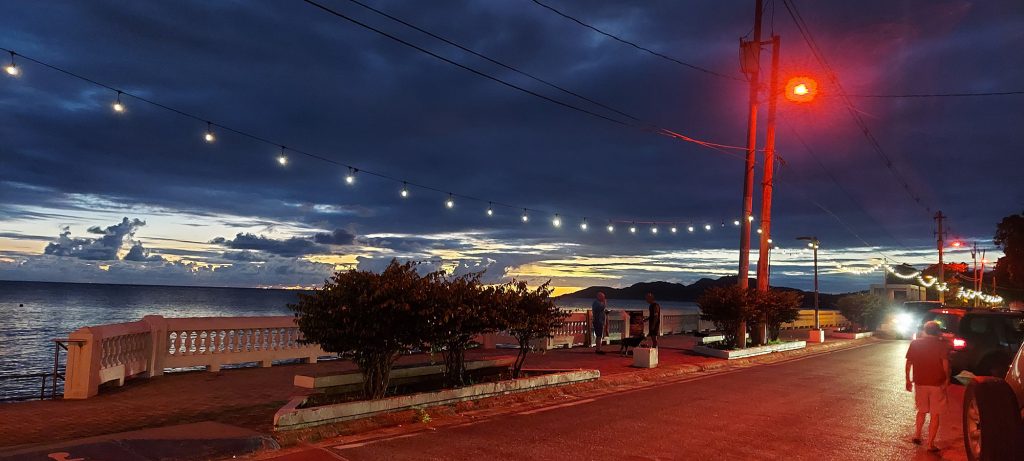
Esperanza by dayAnd by night
All over the island, businesses and homes are painted with colorful murals featuring mermaids, iguanas, horses, and tributes in memory of lost relatives. It’s a truly charming place.
Getting Around
There is no public transit on Vieques, and we read that taxis don’t like going to the deserted beaches, and may not be available to bring you back at the end of the day. So unless you stay in Esperanza, which has lots of restaurants and several beaches within walking distance, you need to rent either a golf cart or a 4WD vehicle. Why 4WD? Because some of the roads to the beaches, like the one to Black Sand Beach, are car-swallowingly big.
The biggest piece of advice we got about rental cars was to book your car first, then build your vacation around it, because there are a limited number of vehicles available. So the availability of this red jeep at Island Jeep and Coqui Car Rental for Nov. 9-11 pretty much decided our timing!
We didn’t regret the expense. A golf cart would have been cheaper, but they only go about 15 mph, and you have no protection from the tropical heat or sudden rainstorms except the small roof. We experienced some very bumpy roads, and Bob enjoyed tooling around in the jeep on them, while I clenched my teeth.
Our Lodging
There are no big chain hotels on Vieques. You’ll find a choice of boutique hotels, guesthouses, Airbnbs, and hostels for the backpacking crowd. We stayed at the Bravo Beach Hotel, a boutique hotel located on the edge of Isabel Segunda. For just $90 a night, we had a spacious room with a queen bed, refrigerator, large bathroom, and little porch with a bench.
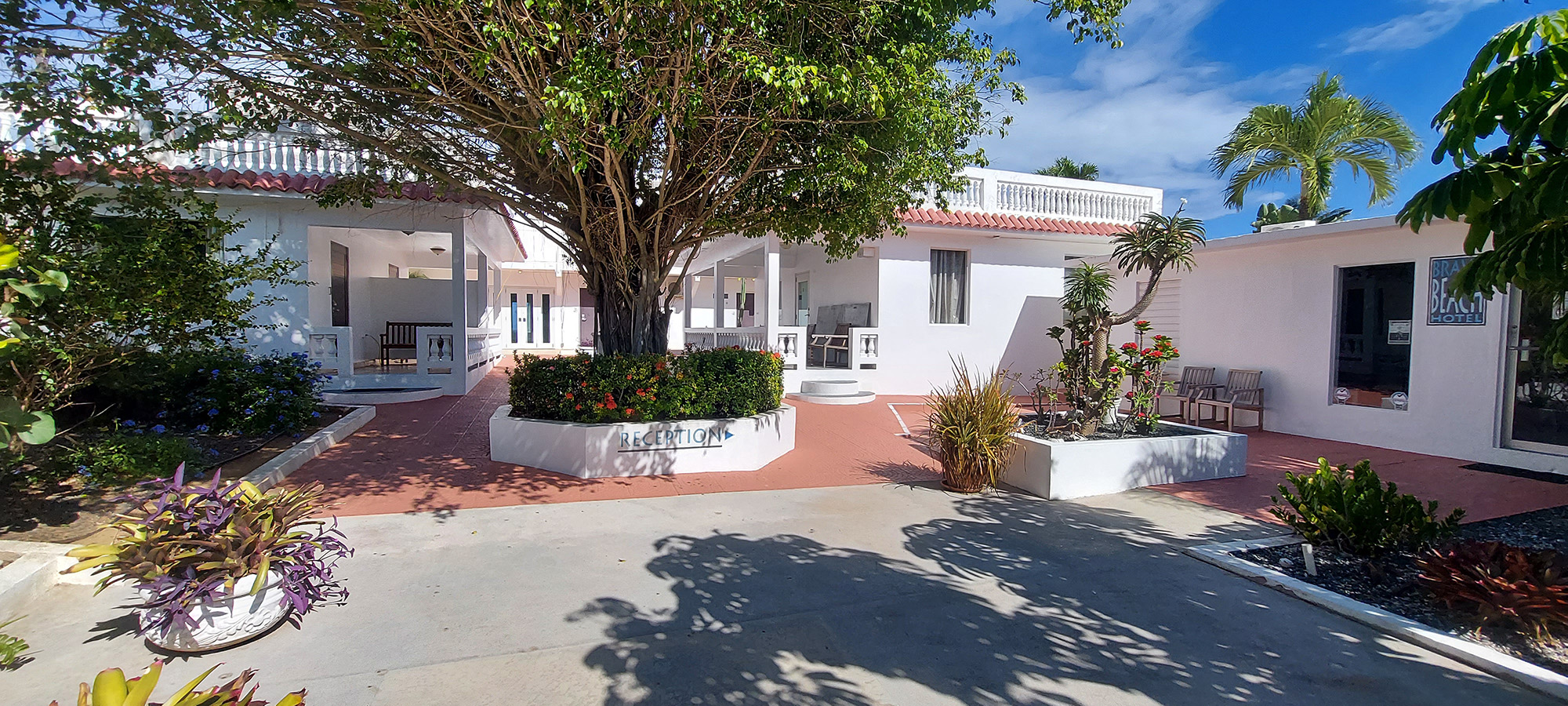
The entrance to the Bravo Beach Hotel
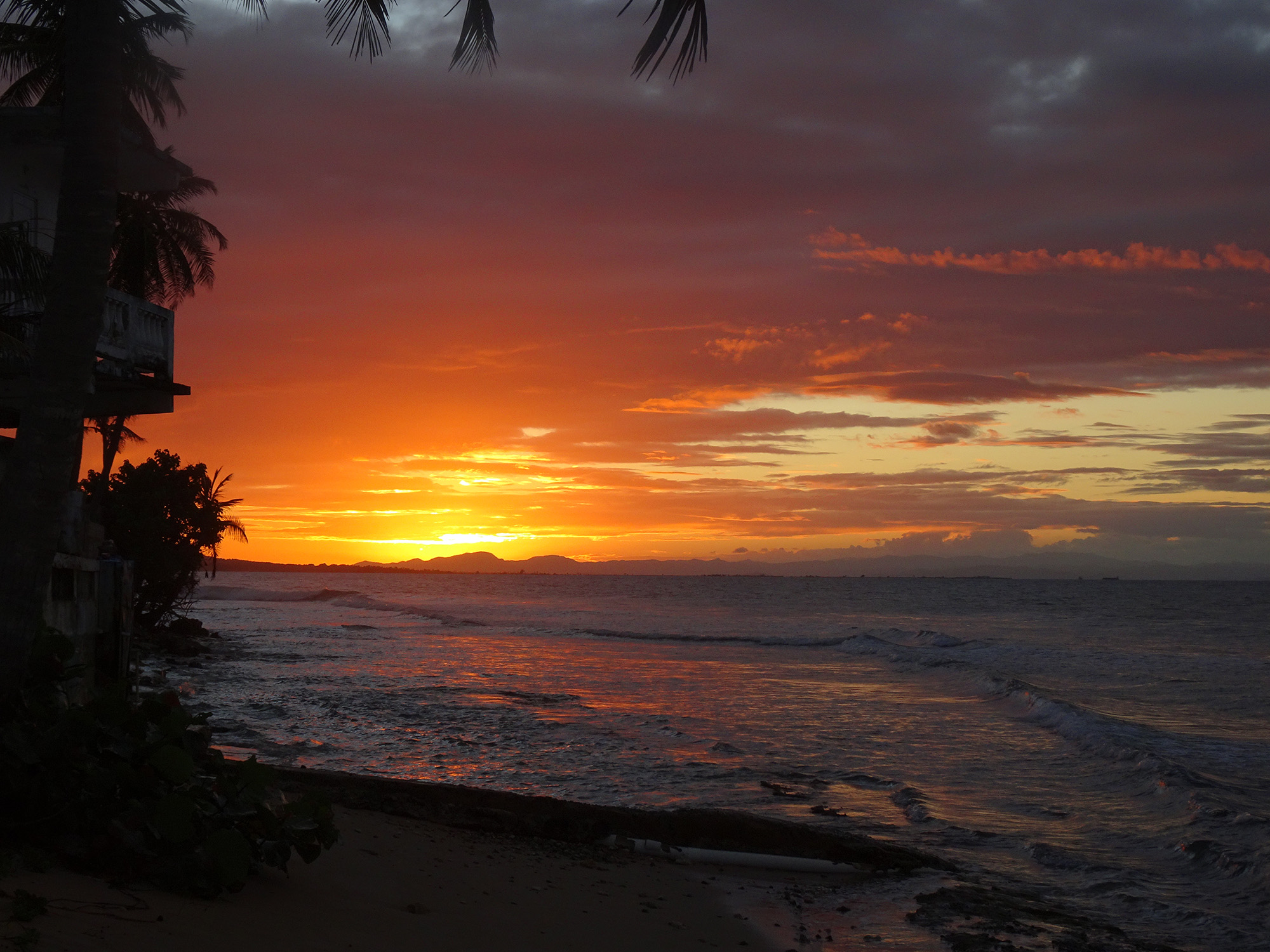
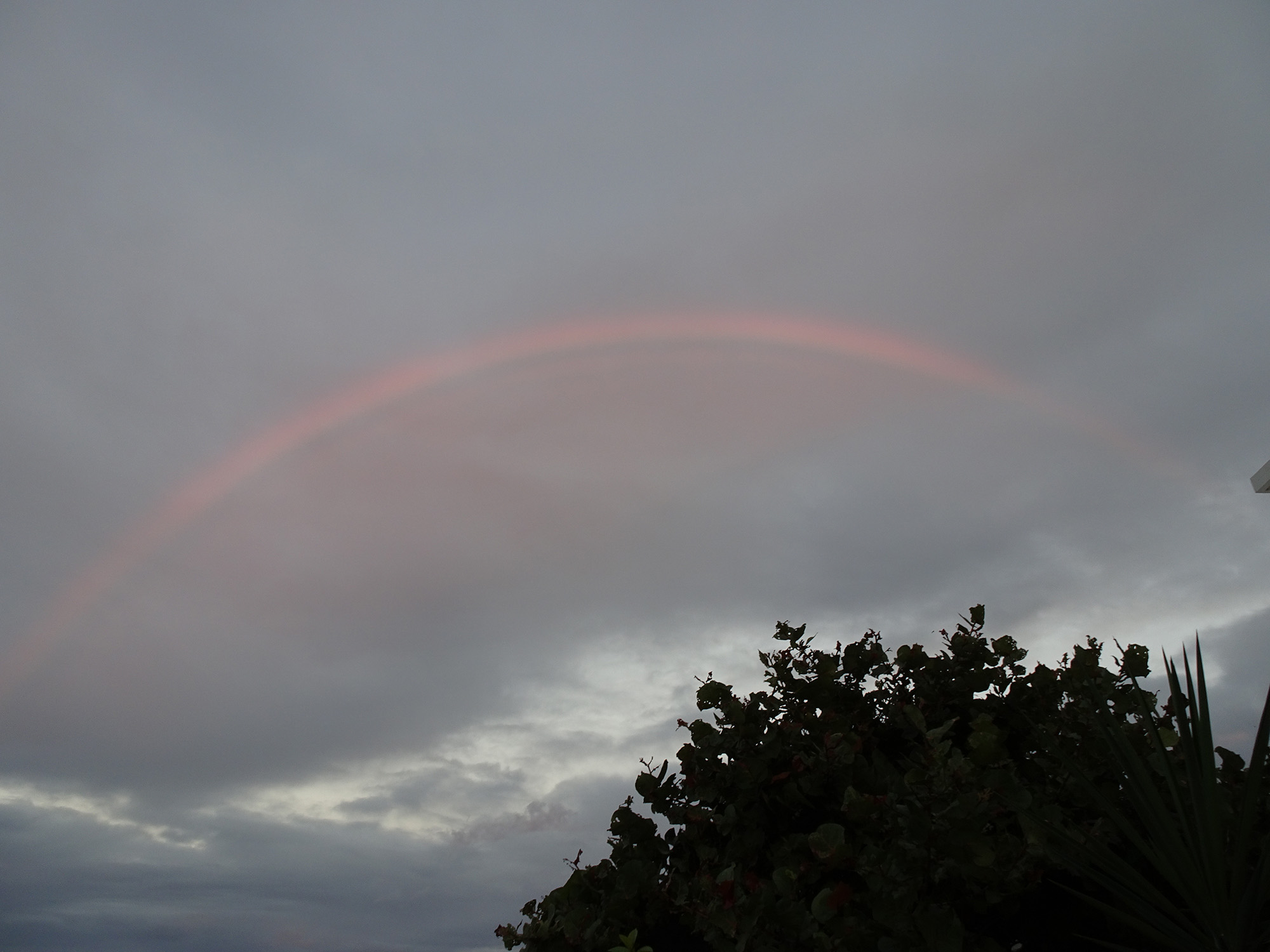
This boutique hotel also had two swimming pools, one of which was right next to the ocean, where I was able to witness a couple of stunning sunsets and one incredible rainbow.
Sunset view from the pool
Rainbow behind
The hotel also gave us the use of beach chairs, swim towels, and even a cooler, which turned out to be really useful since the beaches we visited had no amenities.
The hotel wasn’t serving breakfast because of COVID, but we found a place called El Café de Rincon (Coffee Corner) in a food truck park on the other side of town that we really enjoyed.
Horses
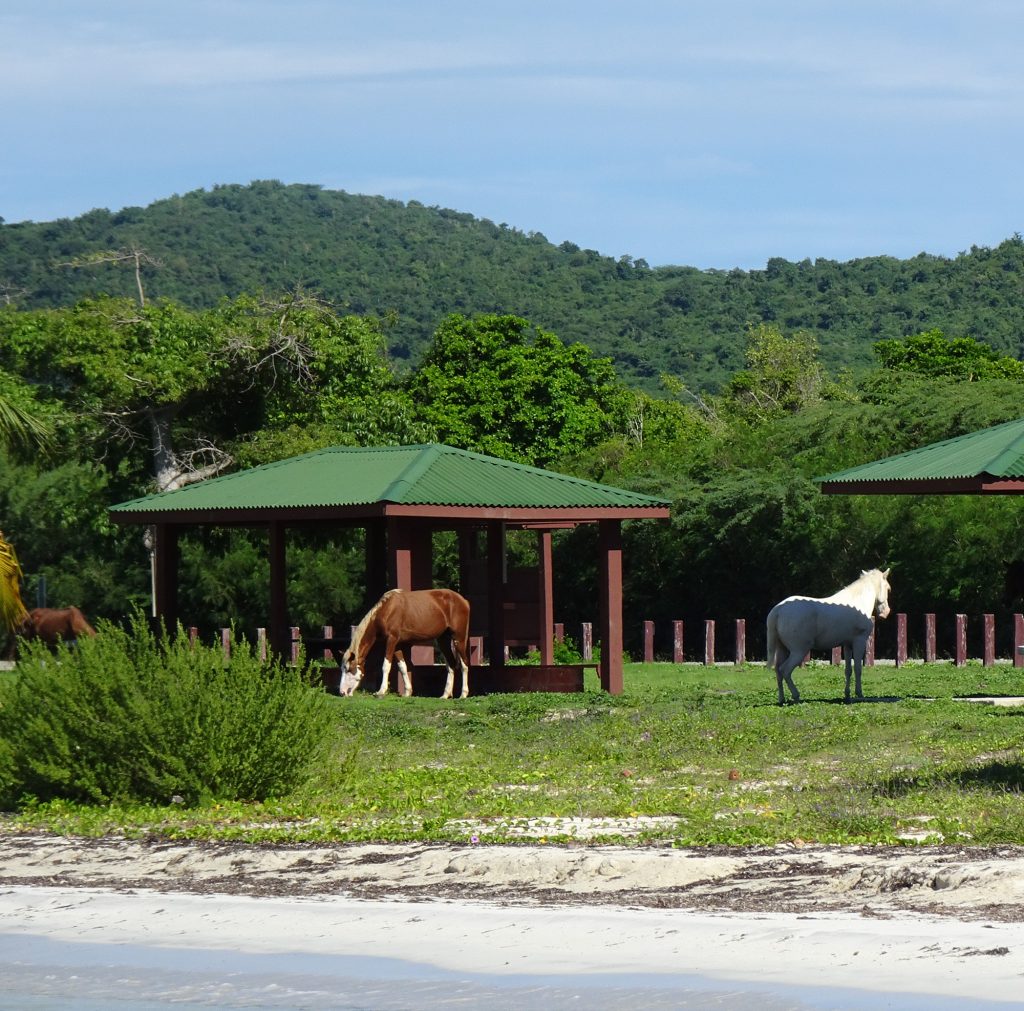
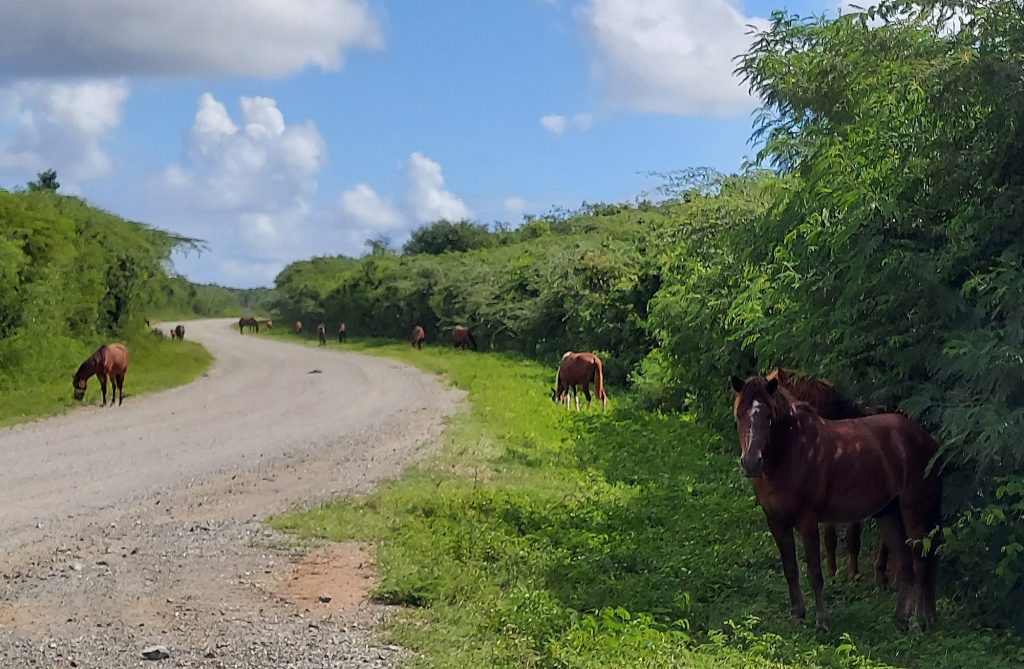
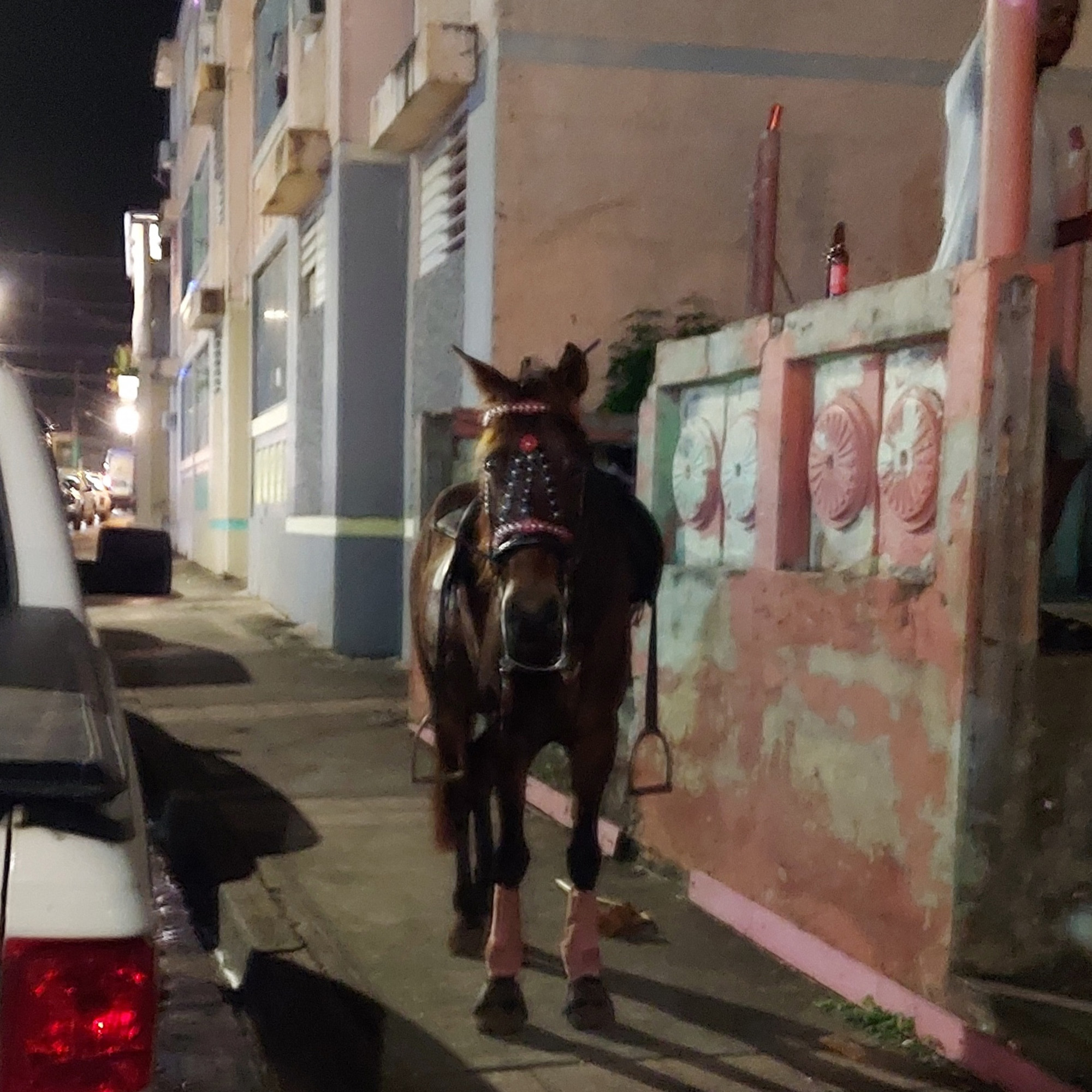
Horses roam freely throughout the island, thousands of them. Everywhere you go you will see them: mothers feeding foals on the roadside, herds hanging out in the nature reserve, horses strolling down the main street or passing through a food truck park, islanders riding horses in a choppy trot up hilly, narrow streets. Their omnipresence feels like a return to a simpler time. Learn all about them here; it’s hilarious!
We also saw many roosters, a couple of wild pigs, a couple of huge green iguanas, and countless snowy egrets, pelicans, and other seabirds.
Up next in Part 2 … Beaches, spectacular snorkeling, and the world’s brightest bioluminescent bay!
Bob and I are thankful to be back on the road, living in Puerto Rico, but COVID dominates the landscape.
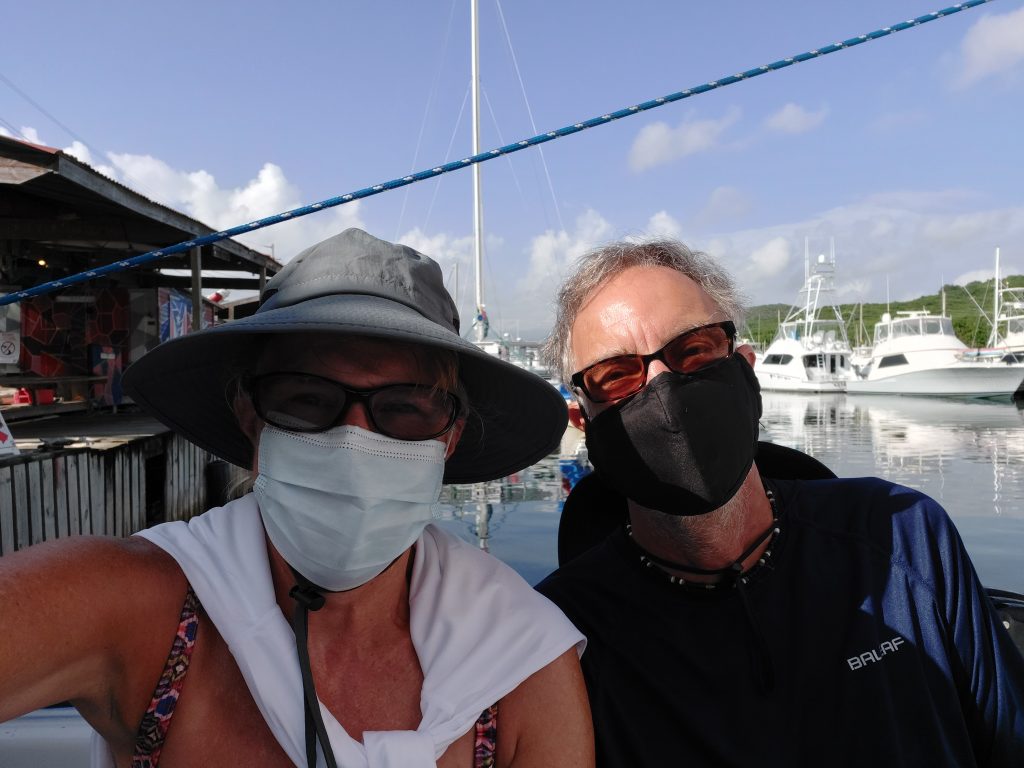
On the catamaran, wearing masks
I’m writing this blog today because I have a dry cough, probably related to forgetting to take my allergy medicine yesterday. It kept me up during the night, and suddenly I thought, What if it’s COVID? I left our bed, took the meds, and lay on the couch till the coughing stopped.
Then this morning, I got a few texts from our oldest child, Aryk, now living in Bath, England, who is visiting a friend for the weekend who lives a few hours away. Aryk had to navigate British Railway, including a connection in a crowded station, to get there. People were coughing in their train compartment, which of course had Aryk worrying: What if it’s COVID? Will I get it? And then will I give it to my immunosuppressed friend?
I did some research into British Rail and discovered the agency is using the most state-of-the-art HEPA filters to keep the air clean in its trains, and scientific studies have not found COVID in their cars or on surfaces. But just to make sure, Aryk took a COVID test before they would unmask to enjoy their time with their friend.
In fact, Aryk, who has to take buses to get anywhere, takes a COVID test every week, just as a precaution. They don’t want to get it, and they don’t want to give it to anyone. And it helps alleviate their chronic anxiety over this nasty pandemic to know, once a week, that they are still COVID-free. Fortunately, the National Health Service (NHS) in England gives these tests away for free, unlike in the United States, where we pay an arm and a leg.
COVID Vigilance
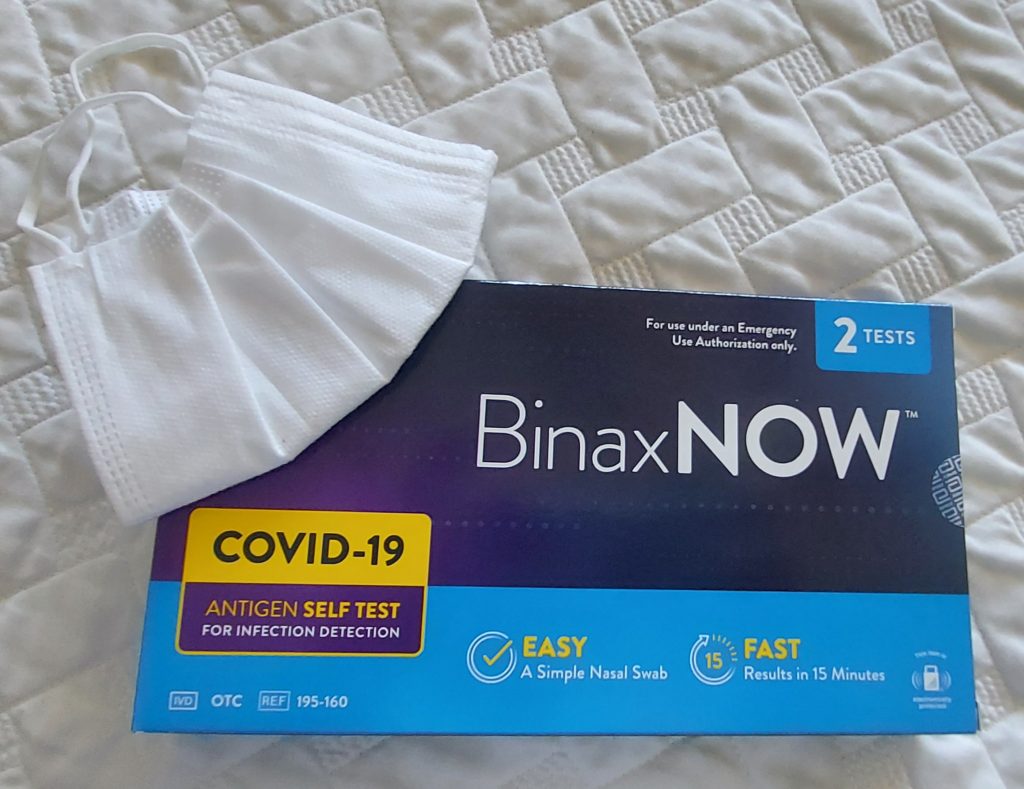
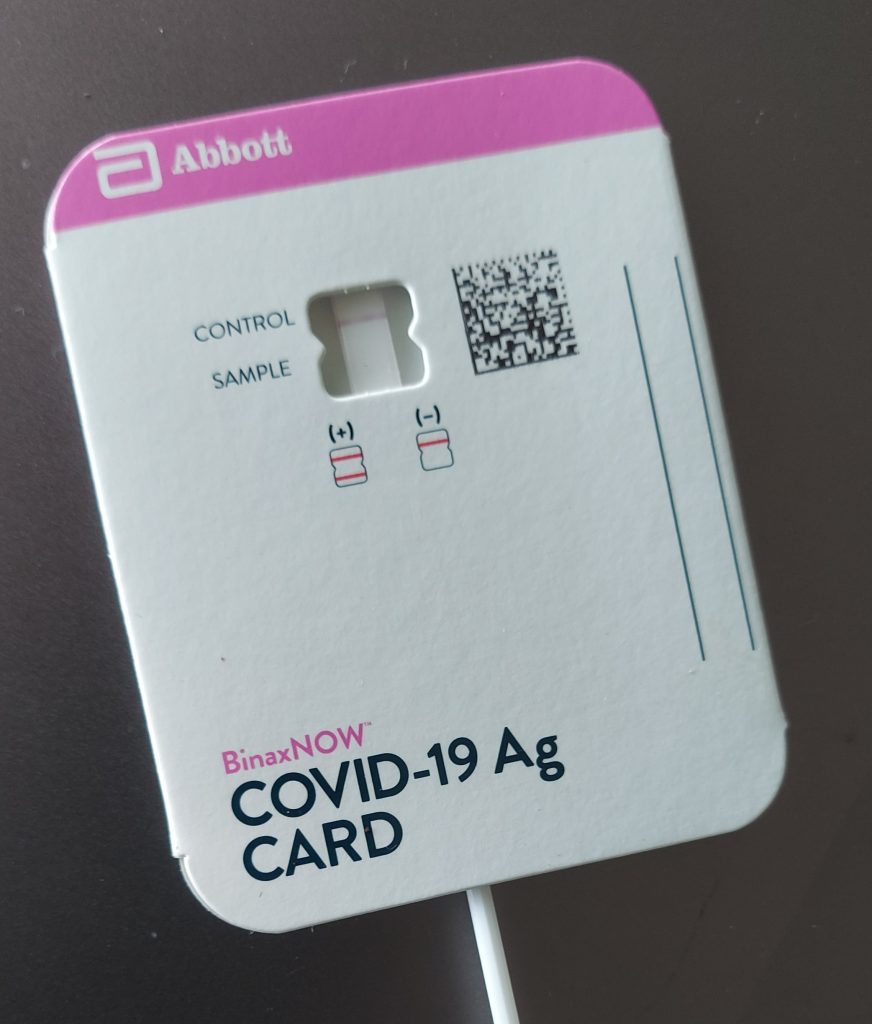
But I found a cheap COVID test source in Wal-Mart and took a test myself today. I don’t want what I think is allergies to make Bob sick, or any of the people around me. Thankfully, it was negative.
One of the reasons we chose to live in Puerto Rico this fall is because warm weather means outdoor living, and outside is the safest place to be during this pandemic.
COVID-19 and Puerto Rico
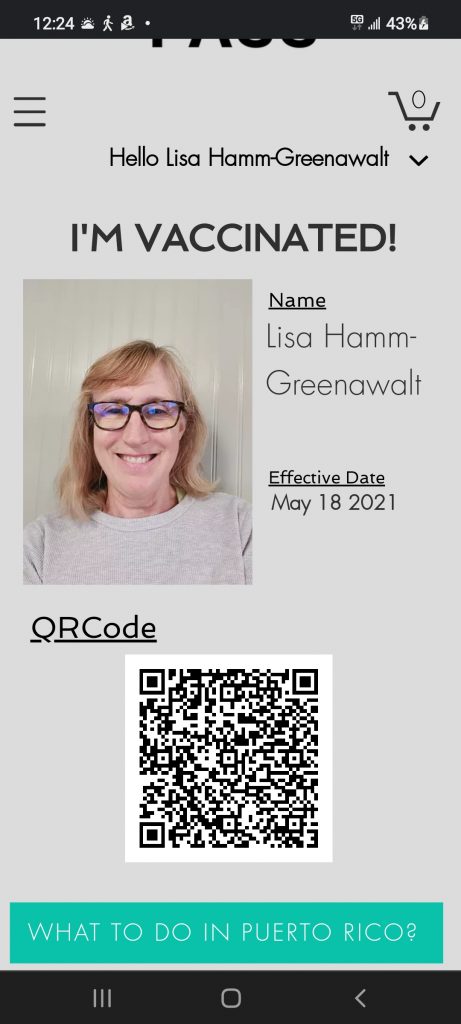
But of the territory’s proactive response to the virus also played a huge part in our decision. COVID prevention is everywhere here. We got our temperature taken at the airport before we could enter. Even before we boarded our plane, we had to provide documentation of our double-vax status to our airline. Once we arrived on the island, we signed up for a COVID passport program called VacuPass PR, because restaurants need to see proof of vax status to let you in, and we didn’t want to carry our vaccination cards everywhere.
VacuPass PR
People were masks everywhere, even strolling down the street. Today we passed by the town square and saw a Cancer and COVID Prevention Fair going on, with blaring speakers, aerobic dance on a big stage, kids’ activities, and a COVID Vaccine Tent.
Unlike the United States, NO ONE is maskless in Puerto Rico. You cannot walk into our apartment building without a mask on. We had to wear masks to board the catamaran to go snorkeling the other day, although we were soon allowed to remove them. People eating outdoors wear masks until their food or drinks arrive. Heck, they wear them when they’re strolling on the beach! They just this week lifted a curfew on nightlife between midnight and 5 AM.
That is why this island leads the nation in COVID-19 vaccinations, even among children. Still recovering from Hurricane Maria, it needed to avoid overwhelming its health care facilities. The government got right on the pandemic, and the people cooperated. Our experience with Puerto Rican government when we lived here 27 years ago did not include this level of efficiency, and we were surprised and impressed.
Although Bob thinks their mask-wearing is a little excessive, I like it. It makes me feel safe. I took the COVID test today because these people deserve to be protected. It’s respectful. The mask is hot on my face, and I hate it. But I would hate to get COVID a lot more.
And as of today, I am still negative! And for me, traveling in COVID times, being negative is a real positive.
The first time I set foot on the island of Puerto Rico was Jan. 6, 1994, when I moved there from Manhattan to become Caribbean Correspondent for The Associated Press. The AP flew me down and put me up in a beautiful hotel right on the ocean. When I arrived, I surveyed the pristine golden beach and the clear turquoise sea from my hotel room window, feeling so lucky to have landed in such a wonderful place. Before I went to bed my first night, I stood on my balcony looking out at the moon and stars and listening to the distinctive chirping of the coquis, Puerto Rican tree frogs, and the roar of the ocean crashing onto the beach.
Paradise, I thought.
I woke up with a splitting headache and an acrid stench filling my nostrils. I stumbled to the window, opened the shades, and all I could see out to the horizon was black tar. No turquoise sea. No golden sand. Black water and a filthy beach. What the hell had happened while I was sleeping?
By https://www.flickr.com/people/jamidwyer/ – https://www.flickr.com/photos/jamidwyer/2127856702/, CC BY-SA 2.0, https://commons.wikimedia.org/w/index.php?curid=22654928
I called the AP San Juan Bureau from my hotel and dictated a quick story, and then–since I didn’t even have a rental car yet–grabbed a notebook and pen, threw on running clothes and shoes, and set out on foot down the road closest to the ocean, Avenida Ashford, trying to make sense of it. Miraculously, when I got to the end of the Condado area, right before the Dos Hermanos Bridge that crosses Condado Lagoon, a helicopter landed right in front of me and Puerto Rico Gov. Pedro J. Rosselló stepped out, there to survey the damage.
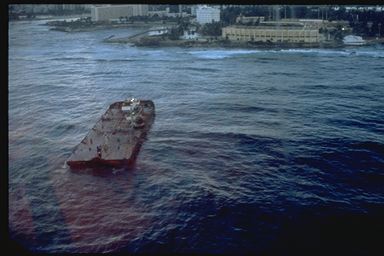
I was able to interview him, and broke a huge story before my first day on the job. It turns out that during the night, the Morris J. Berman, a barge carrying 1.5 million gallons of oil, had drifted toward shore and collided with a coral reef, which ripped a hole in its hull and allowed 750,000 gallons of heavy black oil to spill into the Atlantic Ocean.
I learned later, after crossing telephone wires and finding myself talking to the officer in charge of the investigation, that the man who was at the helm of the barge that night drank too much and fell asleep at the wheel, which was why the barge was just drifting and was able to hit the reef.
By NOAA – https://photos.orr.noaa.gov/gallery_4/incidents-11.htm, Public Domain, https://commons.wikimedia.org/w/index.php?curid=53401938
The spill sullied 100 miles of shoreline and had a huge impact on the health of shore and sea birds, ocean life, vegetation, and of course tourism. You can read all about it here. (Unfortunately, I can’t find my original story online, as this was pre-Internet.)
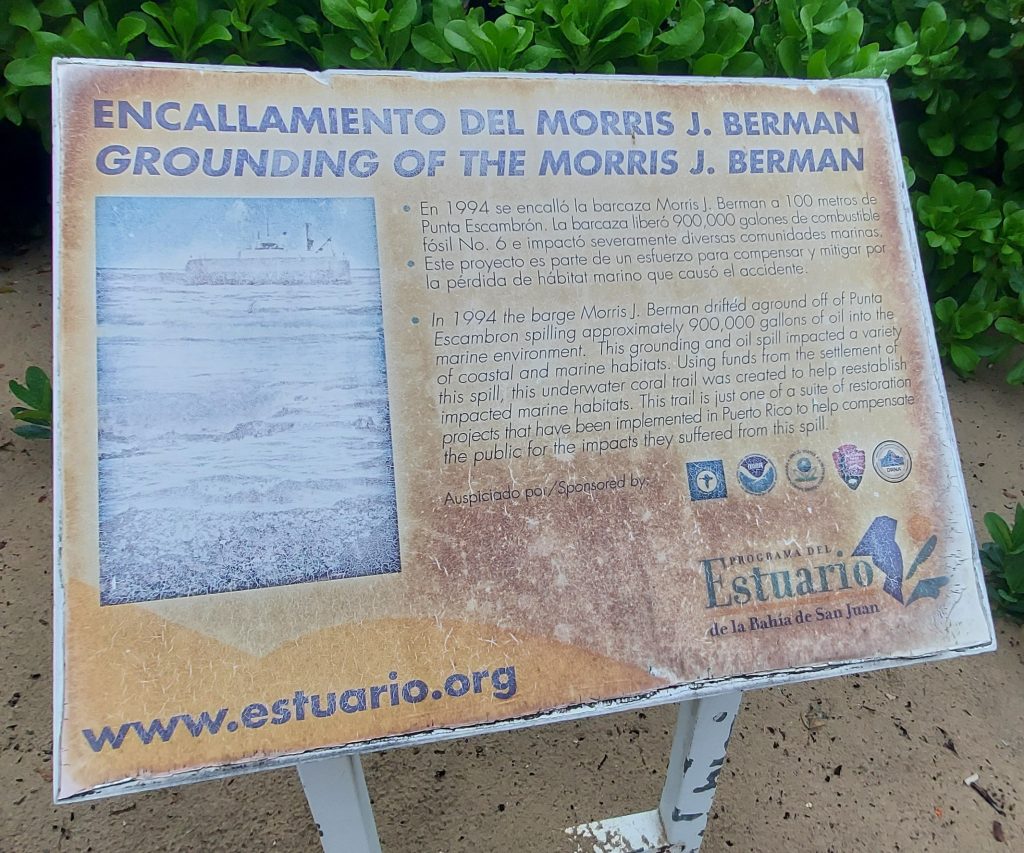
Two days ago and 27 years later, I was walking through Condado, again on my first day in San Juan, and found some signs put up by the San Juan Estuary Program that mentioned the grounding of the Berman and subsequent environmental impact.
This poster is very weathered but perhaps you can read it. It talks about the environmental impact, clean-up efforts, and promotes the maintenance of this region.
This poster certainly brought back dramatic memories of that incident, which affected my life in many ways. It gave me the opportunity to come flying out of the gates as a foreign correspondent, breaking a huge story the morning after I arrived on the island. It shaped my reporting for the next year as the government focused on the investigation of the spill and clean-up challenges.
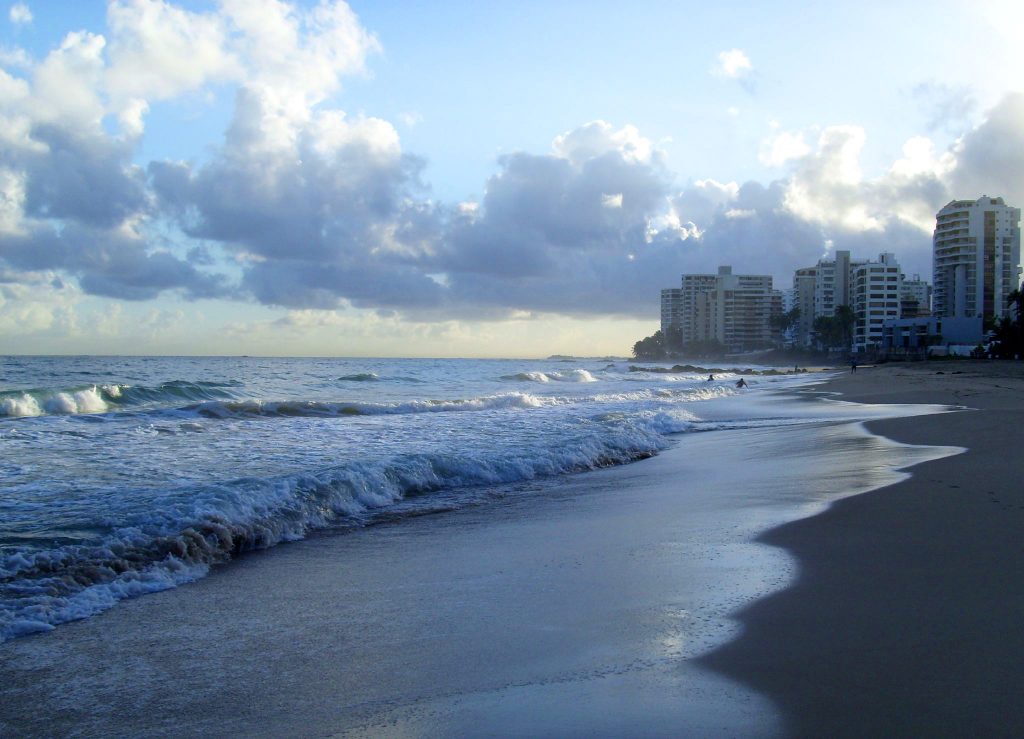
Twenty-seven years later, I’m back in San Juan, this time to live for two months. The beach is pristine and the ocean is glorious. There’s no evidence of the environmental damage the Morris Berman wrought.
Still, I am reminded to never take for granted nature’s beauty, and that we all have a responsibility to keep our world clean.
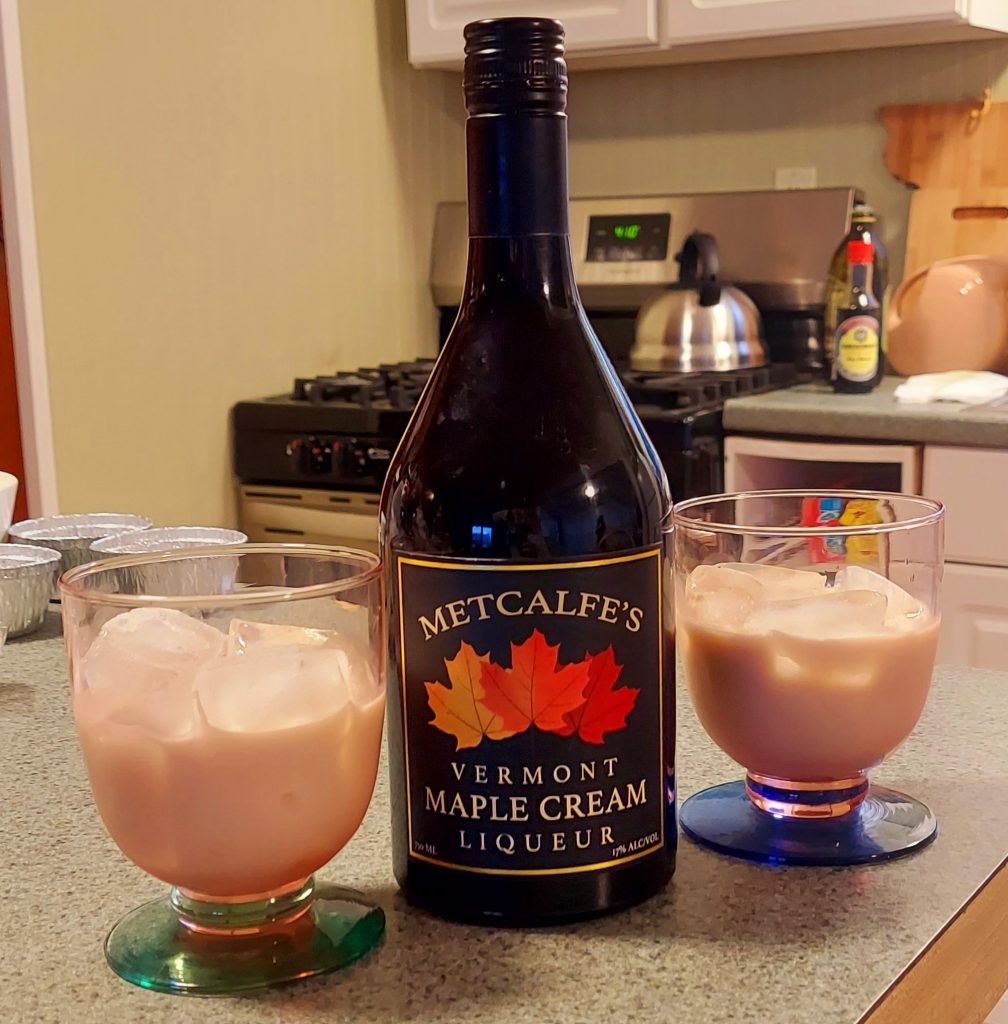
We’re finishing up our Vermont maple liqueur in a symbolic transition as we prepare to depart next week for the next stop on the Messy Suitcase tour, the birthplace of piña coladas: Puerto Rico!
Our September vacation in England (taking our oldest child, Aryk, who is pursuing their master’s at Bath Spa University, to school) was great preparation for re-entry to our traveling lifestyle, post-COVID version. We are double-vaxxed, indoor-masked, and ready to launch our lives again as traveling retirees.
Before we set off, we’re spending a long weekend in Colchester, VT, north of Burlington, with our son, Gavin, who was also with us when we launched the traveling life in 2018.
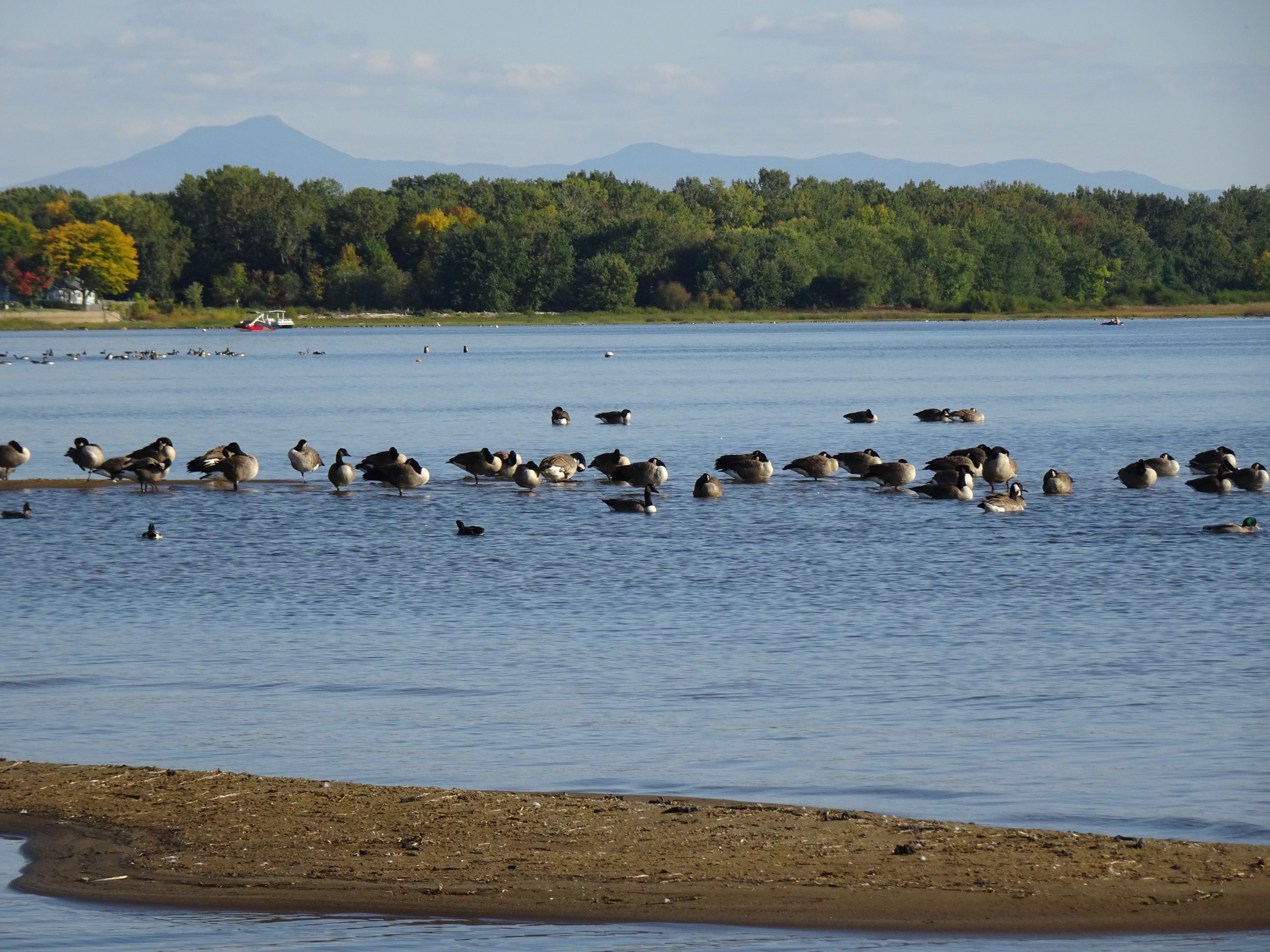
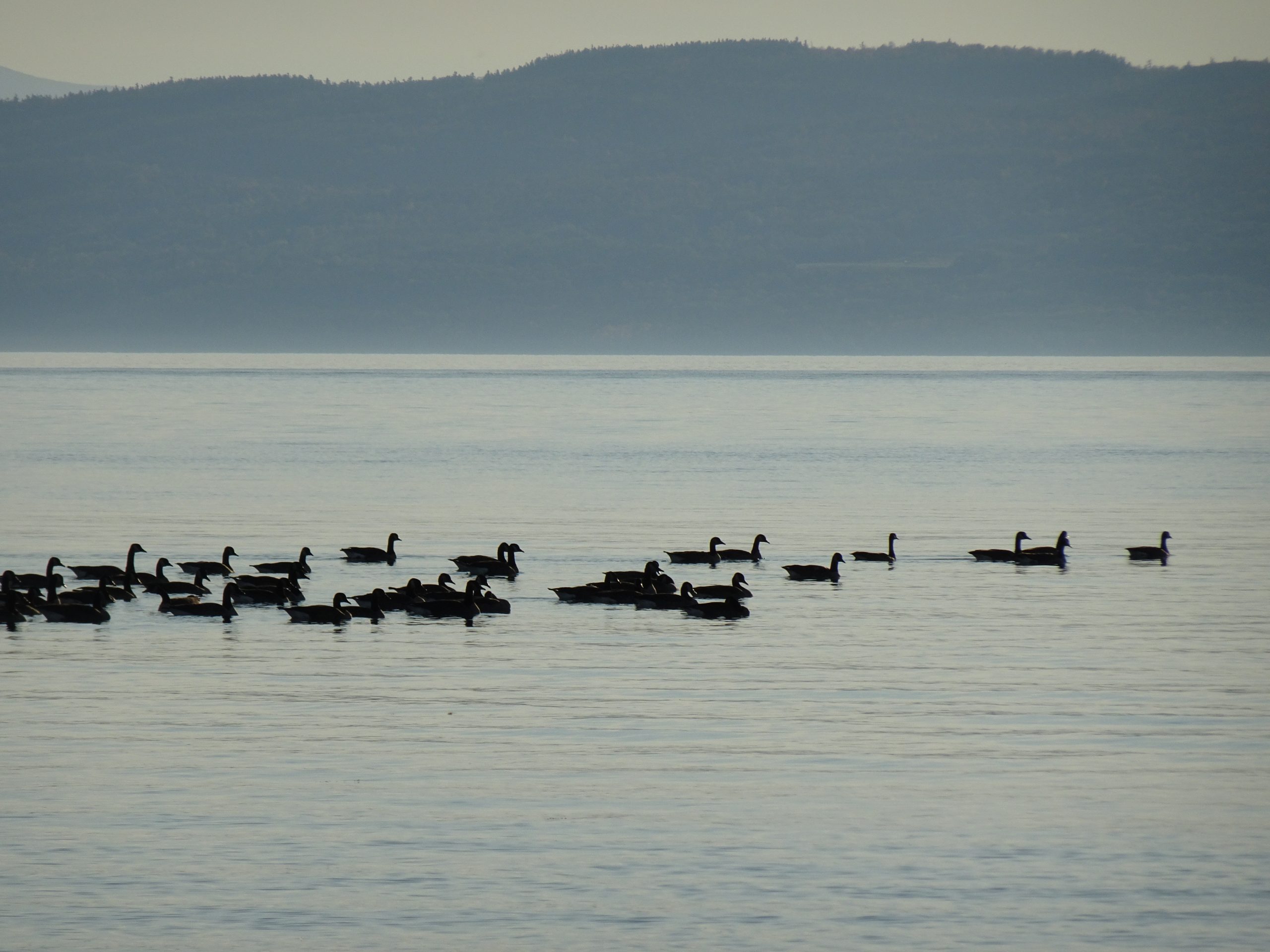
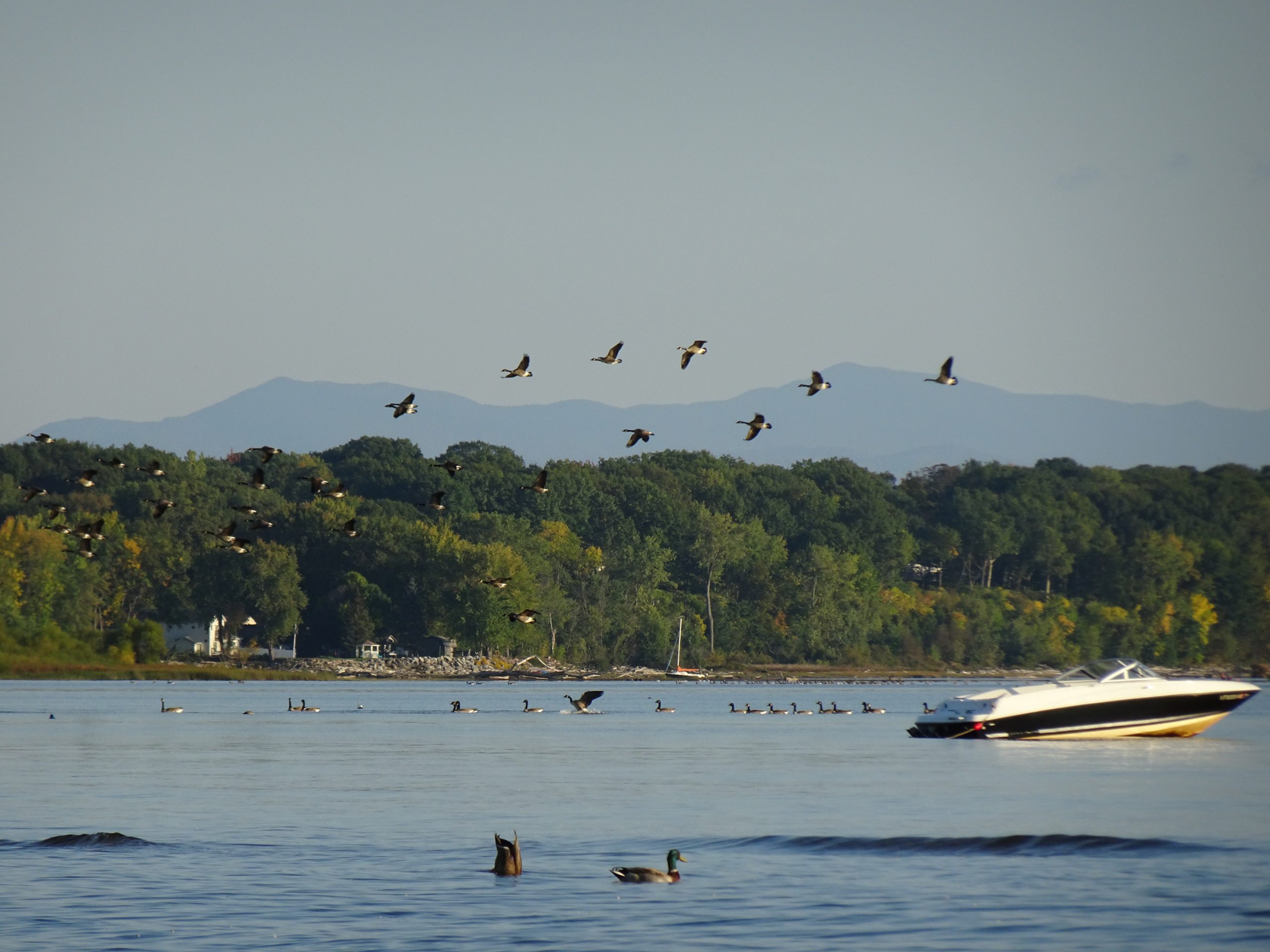
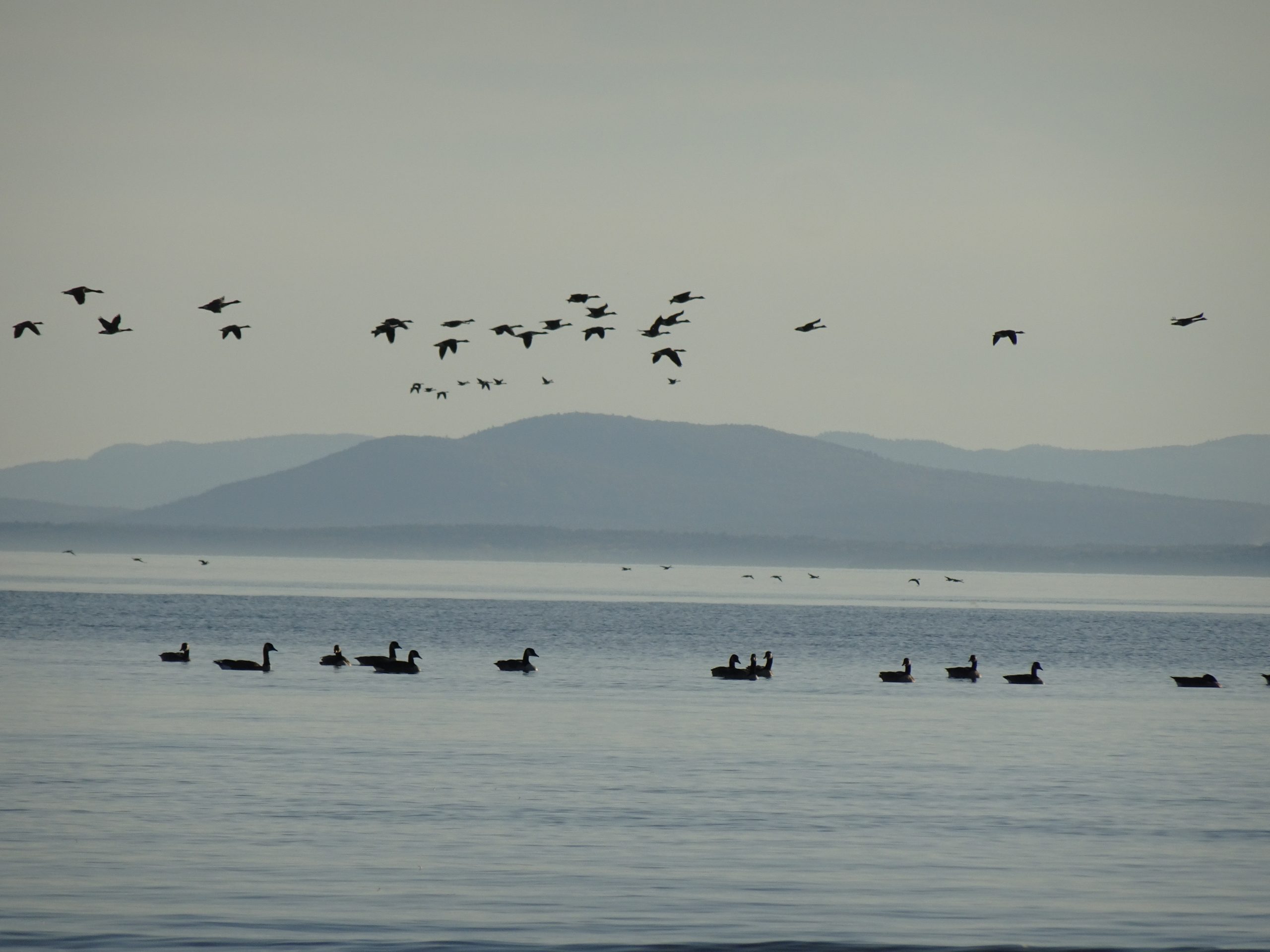
Migrating birds taking a break on Lake Champlain in Colchester
On Tuesday, Gavin returns to Champlain College after this break, and Bob and I head to Manchester, NH, to park our car at a park/sleep/fly lot and board a plane the next morning for Puerto Rico!
A Few Changes
This time we will be renting a car instead of driving our own. We’ll have just one cat, Kaylee, instead of the three we started with — Equinox passed away in Mexico City last year, and Ellie lives with Gavin at Champlain College. We are heading to Puerto Rico, a US territory, instead of back to Mexico for COVID safety and COVID convenience — less testing hassle.
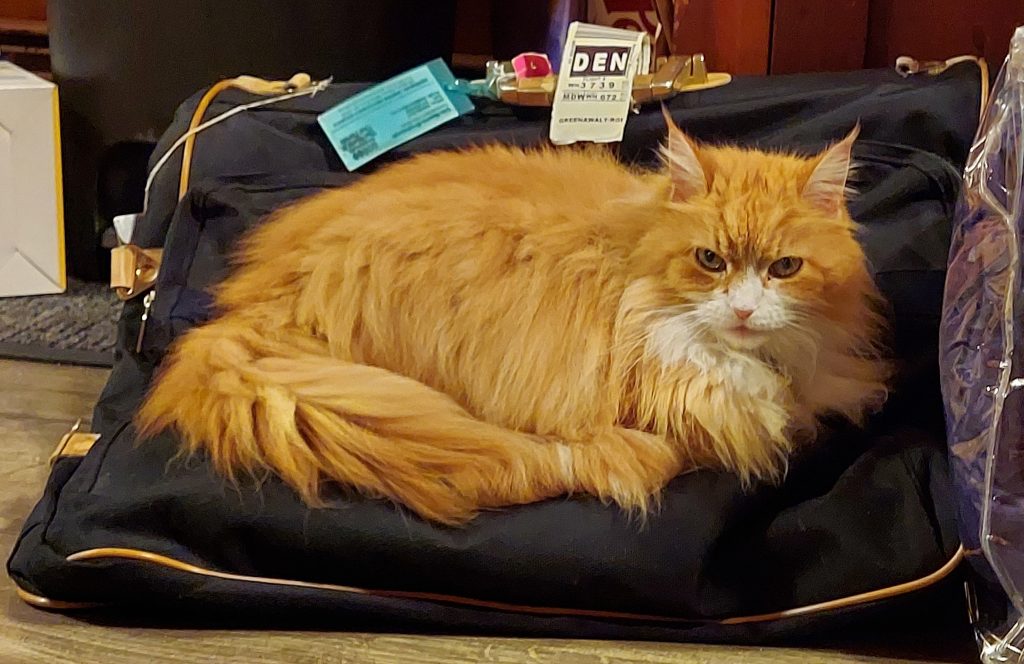
Kaylee helps pack
But life is too short to spend any more time waiting for the pandemic to end. It’s time to live again. We have to learn to navigate COVID while staying safe and enjoying life. We plan to spend a month in Luquillo in an oceanfront condo, and a month in San Juan.