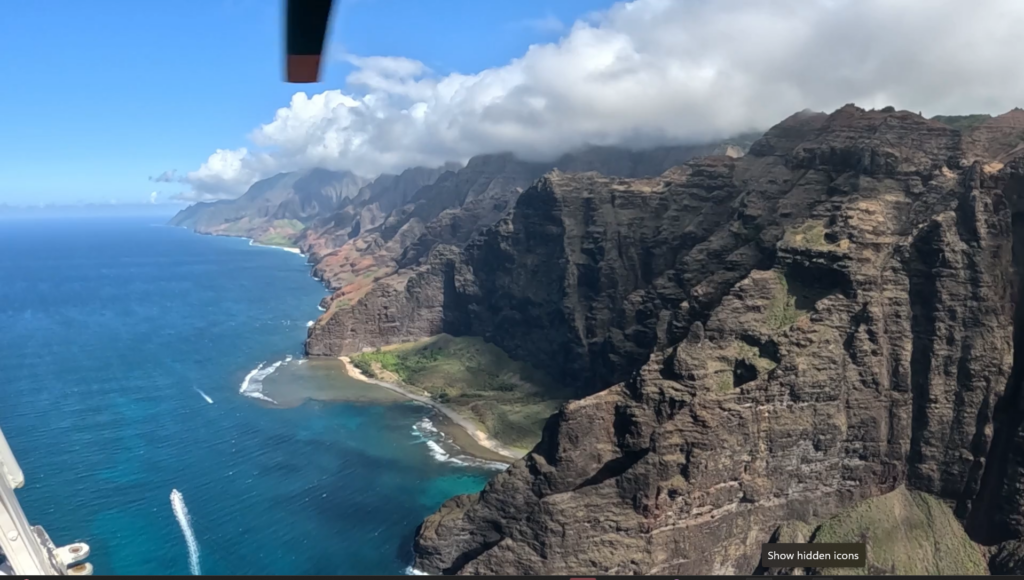
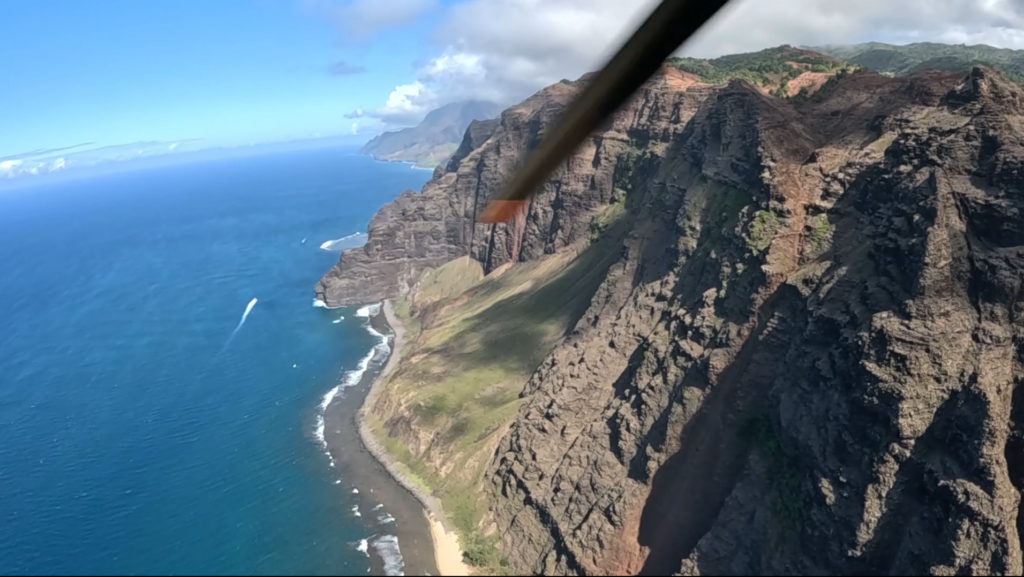
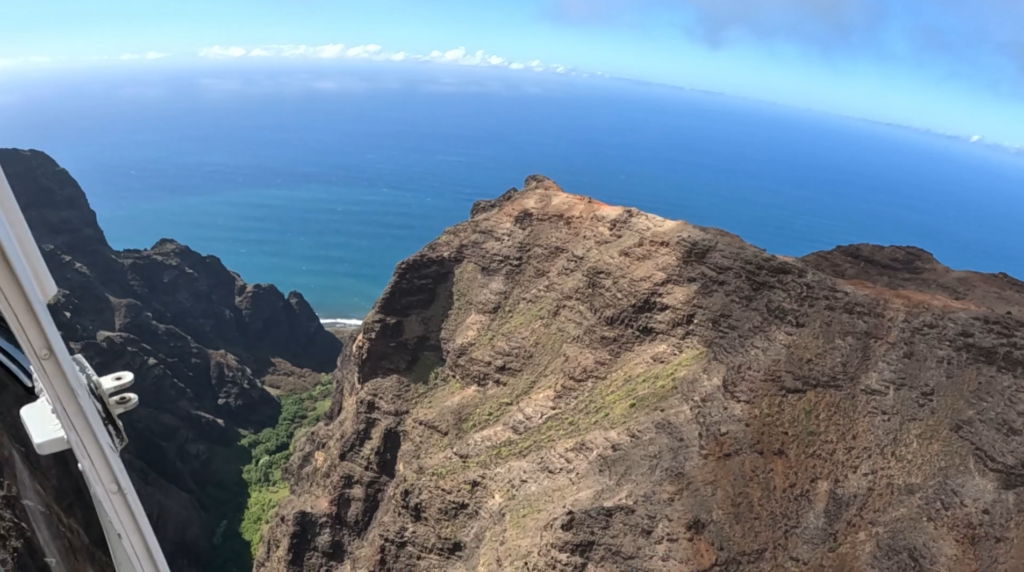
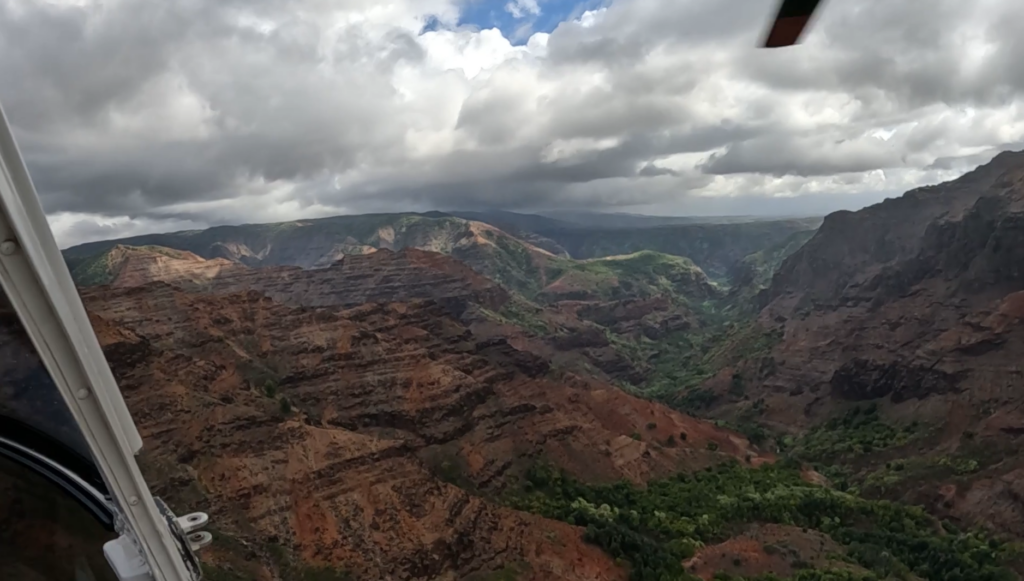
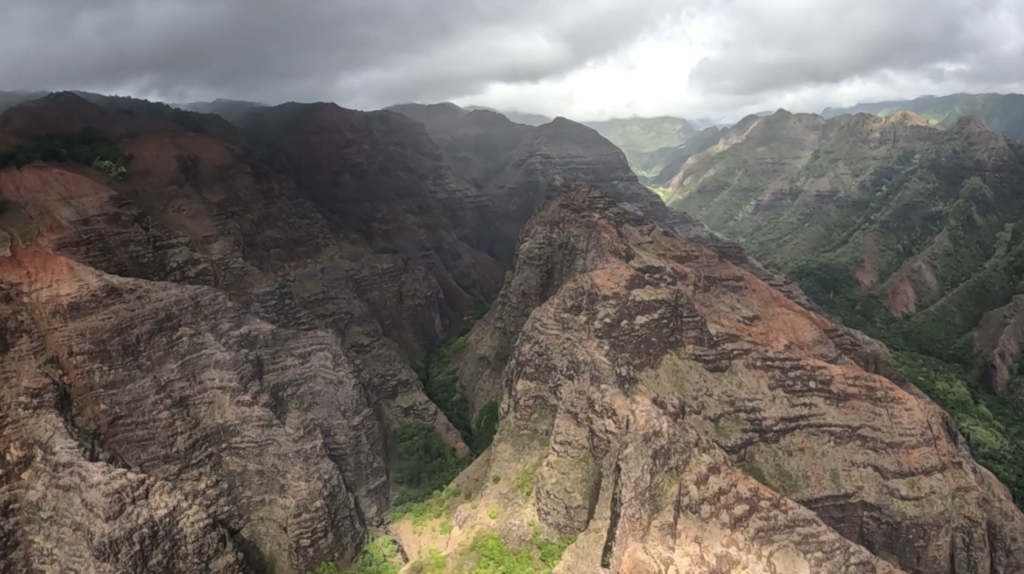
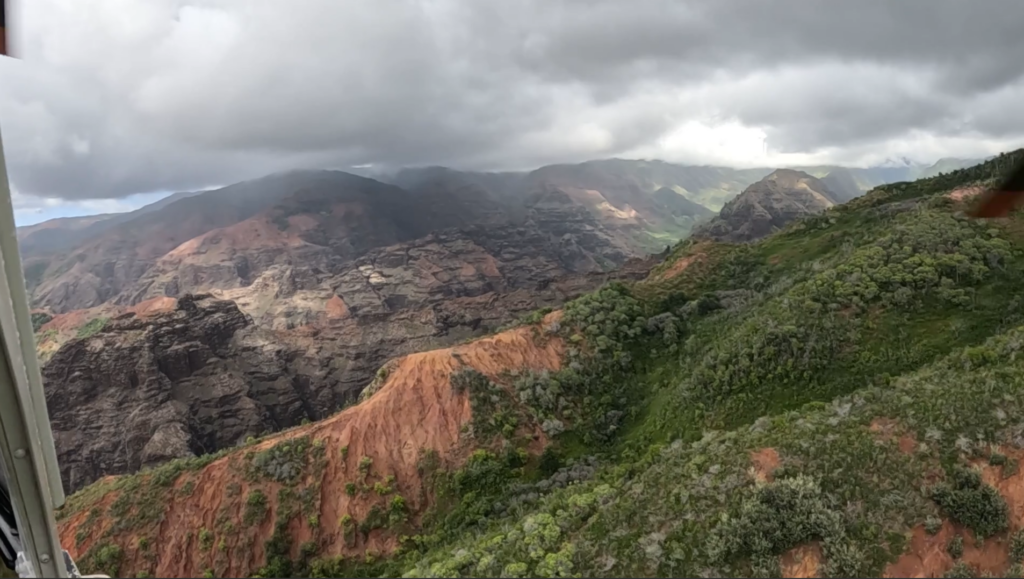
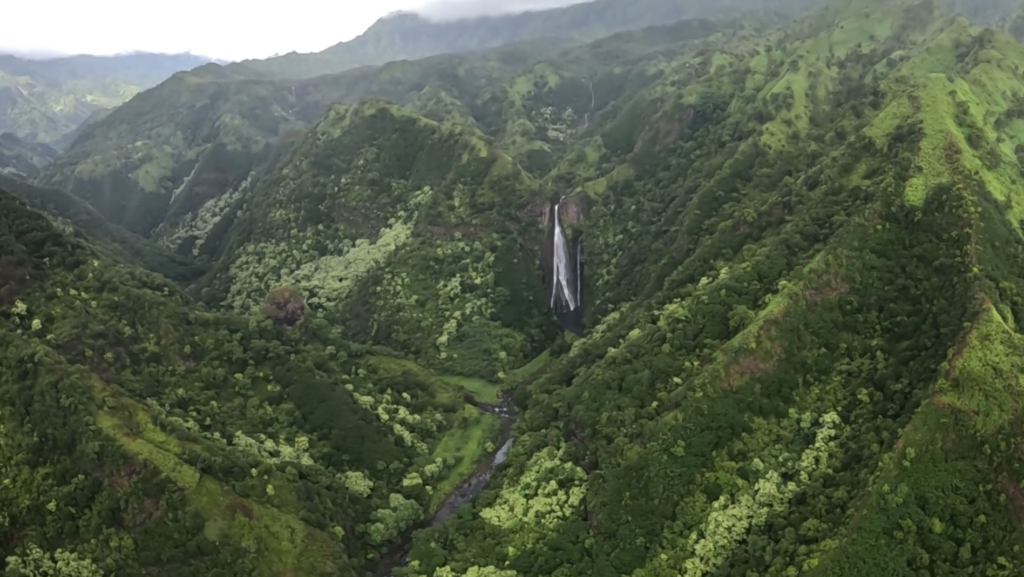
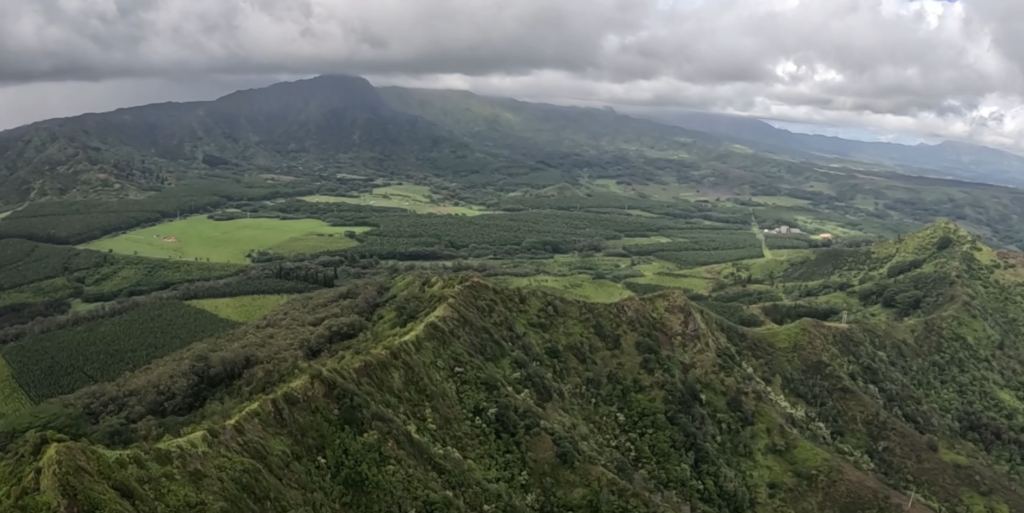
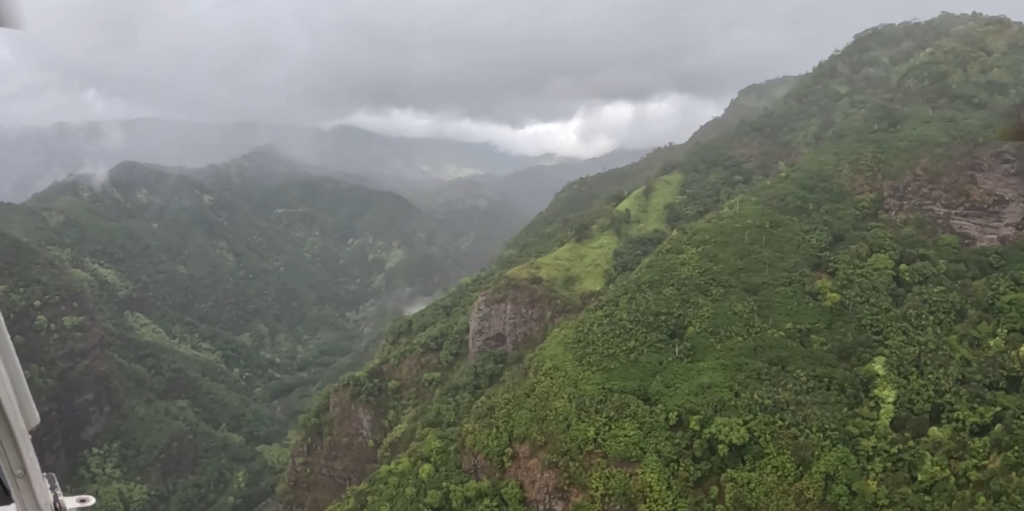
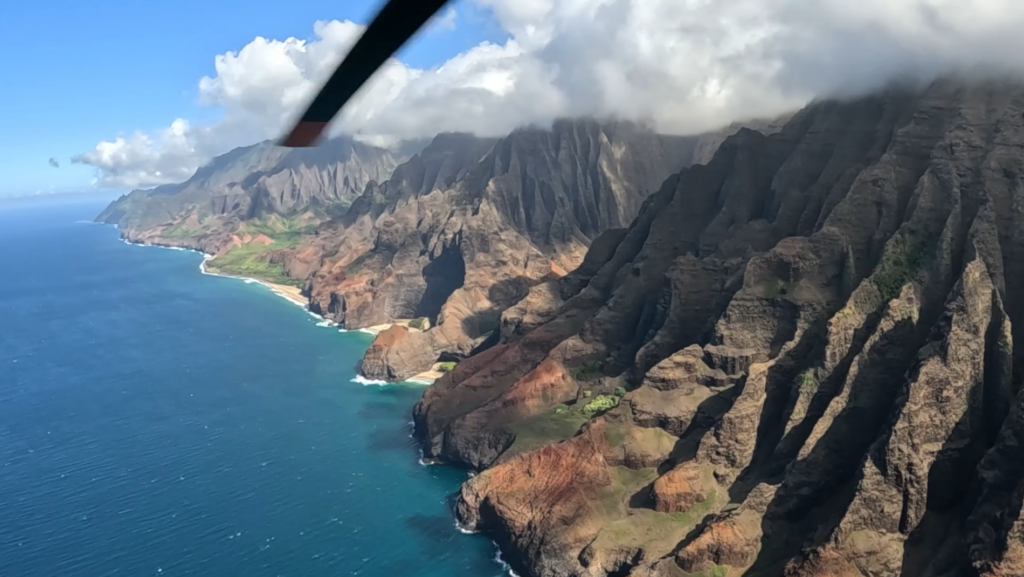
We took an unforgettable, bucket-list helicopter tour across the gorgeous island of Kauai.
This is not for the fainthearted – Lisa sat in the middle by the pilot, but Bob spent the whole ride hanging off the outside. His GoPro was firmly tethered to his wrist as we were bounced around in pouring rain, then swooped so close to canyon walls that we could practically touch them. The heart-pounding cliffs, rugged mountains framing endless waterfalls, lush greenery, followed by a swing above the turquoise water of the majestic Na Pali Coast, filled us with wonder.
The ride we took was the Doors-Off MD500 Tour, from Jack Harter Heli Tours. The cost was $400 apiece plus tax and a tip for a one-hour flight across the island with our capable and knowledgeable pilot Chris. It was worth every penny for the ride of a lifetime!
As a half-time resident of the Caribbean, Bob considers it a moral obligation to master the art of mixing refreshing libations containing the countless variations of rum available across the islands. Many have tried but no one has been able to duplicate his most popular, world-famous rum punch recipe. But he shares it here!
In addition to the recipe in the video, Bob also has been known to create variations with other kinds of juices, such as passion fruit, and other kinds of rum, such as passion fruit, for Lisa.
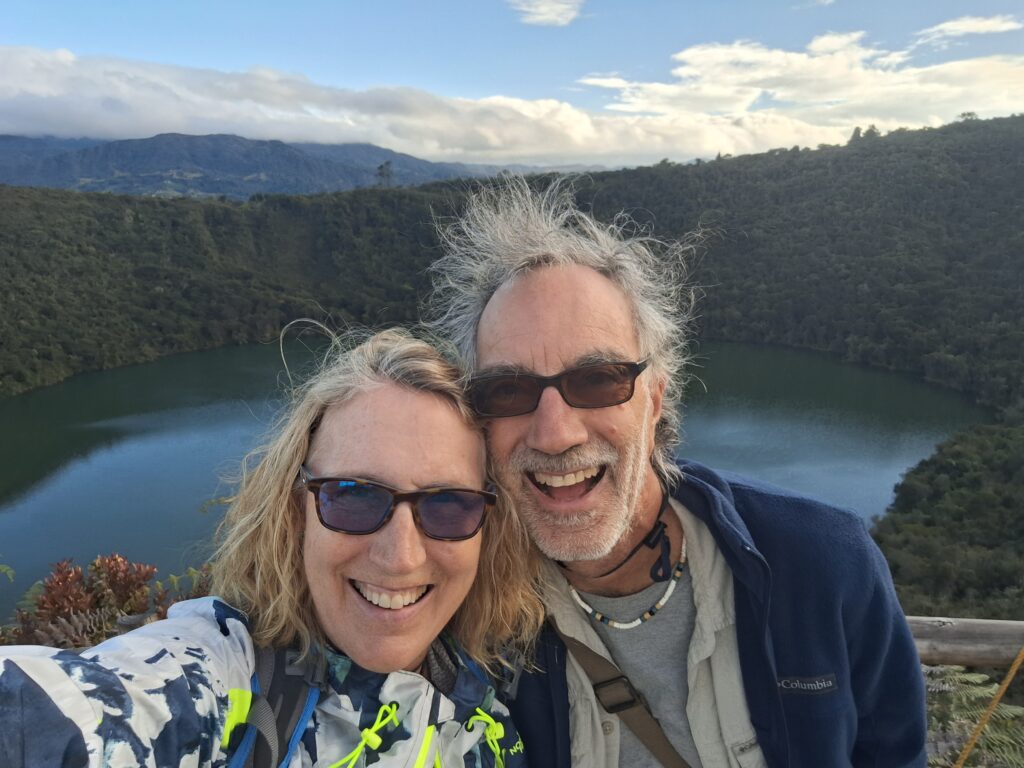
We took a hiking tour – in Spanish – of the Laguna de Cacique Guatavita, which roughly translates to Guatavita Indian Chief Lake.
Located about 40 miles north of Bogotá, Lake Guatavita is a spectacular lake in the heart of the Colombian mountains. It’s also the birthplace of a legend of El Dorado, the mythical city of gold.
The hike was challenging, taking you over 10,000 feet, and the reward was a breathtaking vista. Es vale la pena!
Bring good hiking shoes and lots of water. You’ll need to get an official tour, which includes the bus from Bogota and a tour in Spanish, and often is paired with a tour of the Salt Cathedral. If you’re over 60, the senior discount is significant.
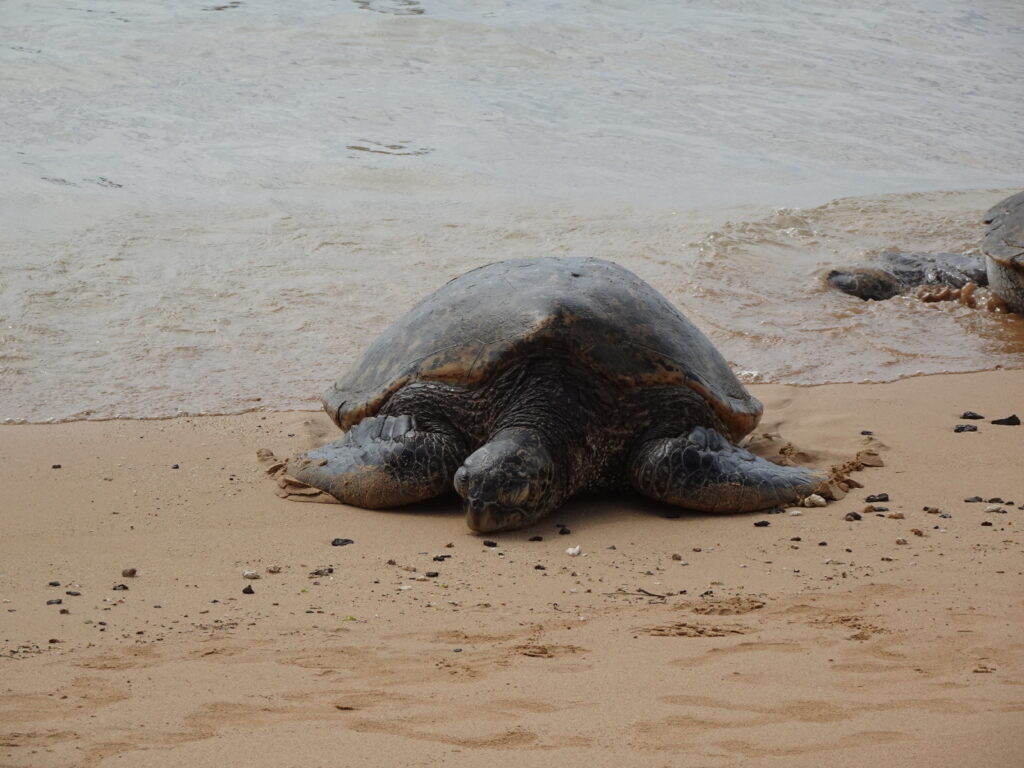
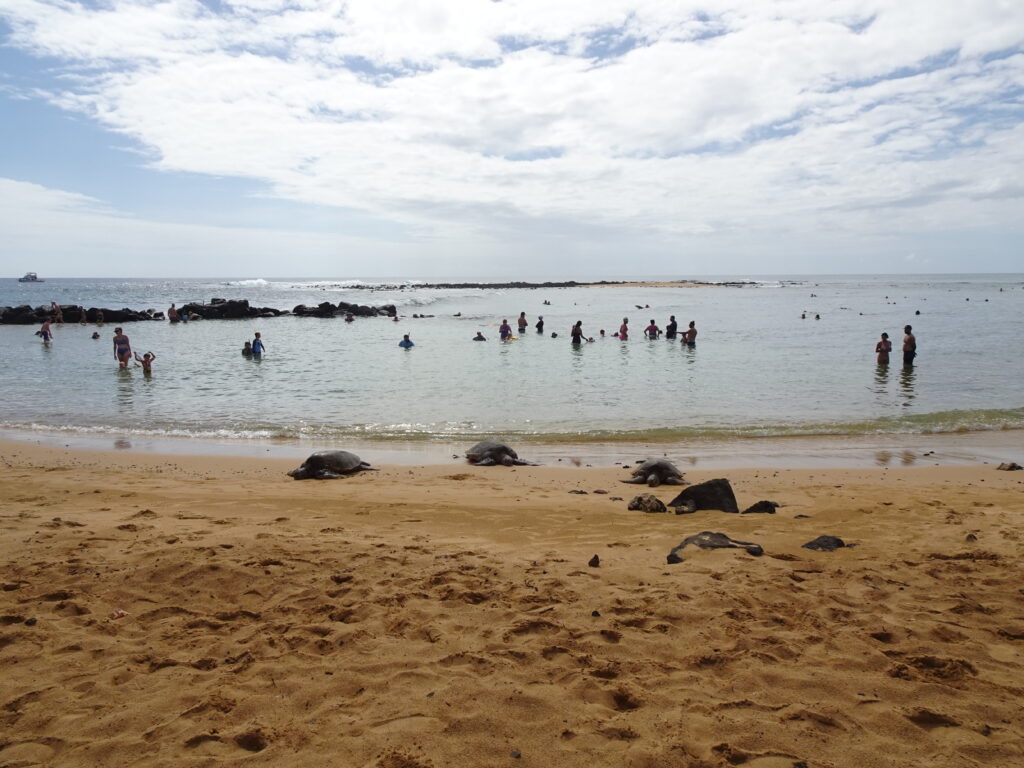
We were fortunate to experience sea turtles, on land and under the sea, in both Kauai and Maui. How magical!
On Kauai, we discovered that green sea turtles, called “honu,” nap on the sand on Poipu Beach on the south coast every afternoon. At sunset, scores of them haul themselves up onto the beach to spend the night. We saw at least 40 there, though darkness obscured our view. The area is cordoned off to prevent humans from getting too close, and a couple of naturalists informed us about the turtles, which were once endangered and have been upgraded to “threatened” status.
On Maui, there’s a similar beach on the Road to Hana that also attracts sea turtles napping.
And in West Maui, at Black Rock at the north end of Ka’anapali Beach, you can walk into the water in your snorkel gear and spend an afternoon floating while watching sea turtles eat. We also say spotted rays and a huge variety of other fish.
This video is long. The first five minutes are enough to give you an idea of the experience. But if you really want to immerse yourself in the sea with the turtles, watch the whole thing!
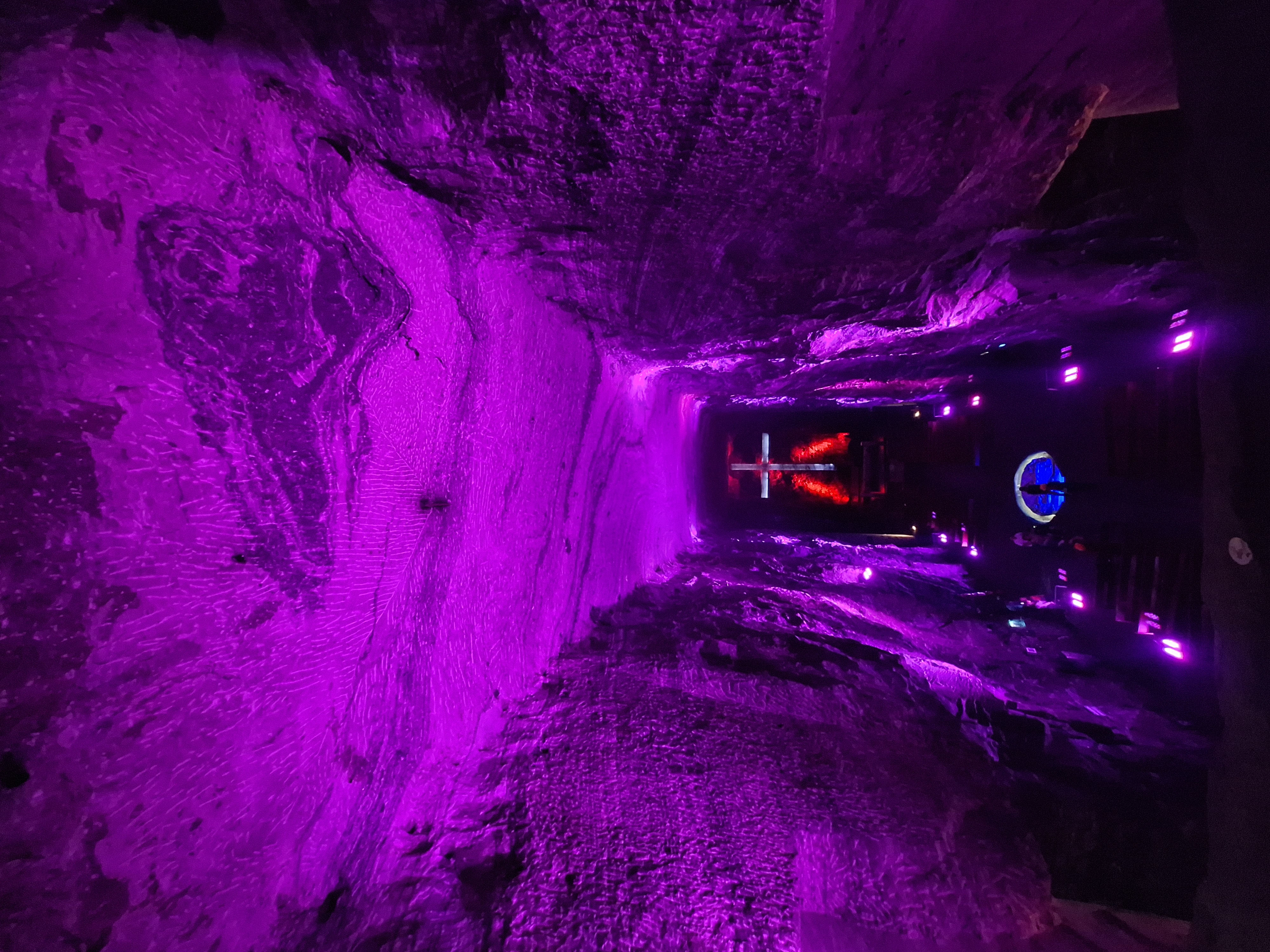
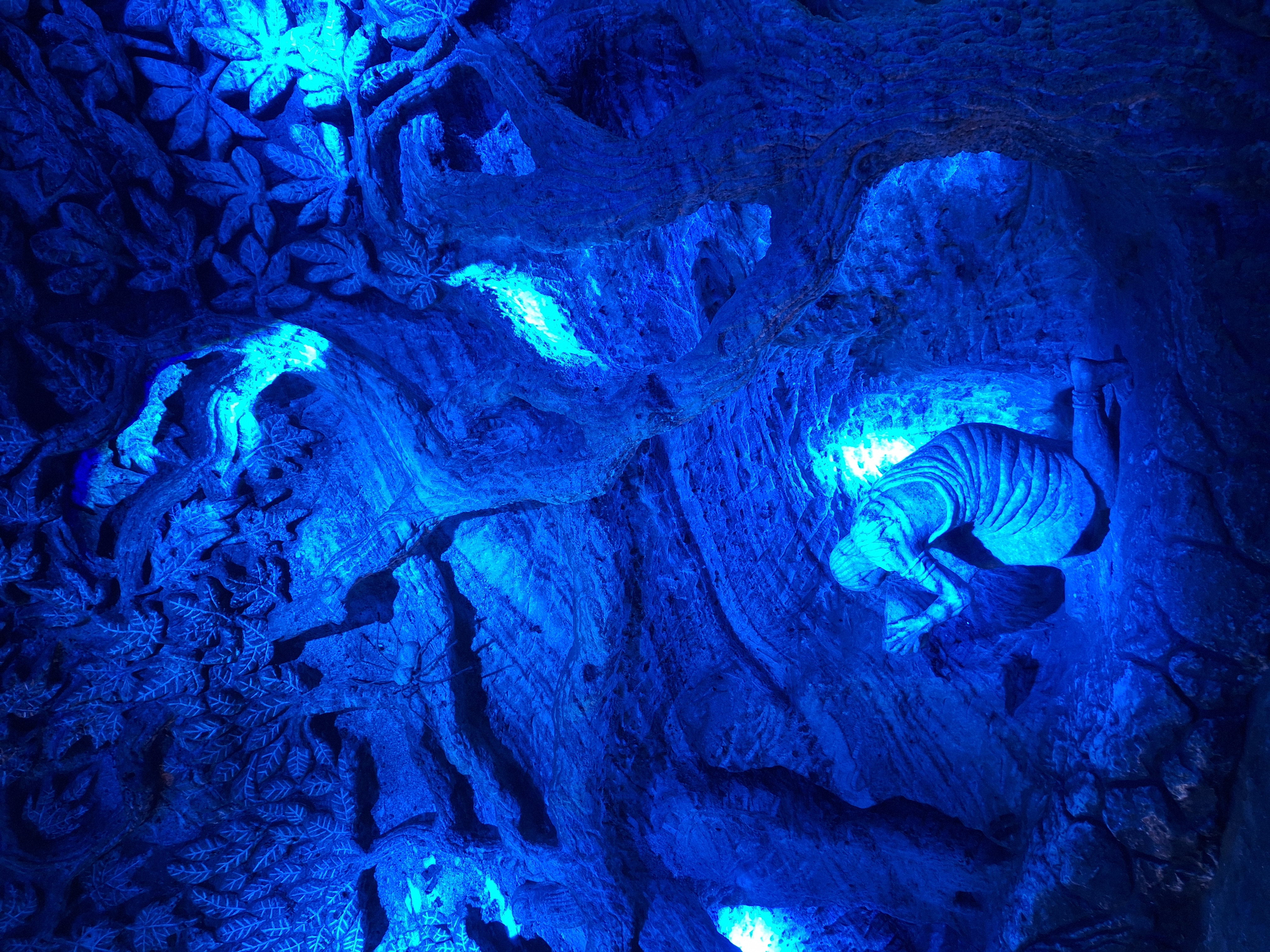
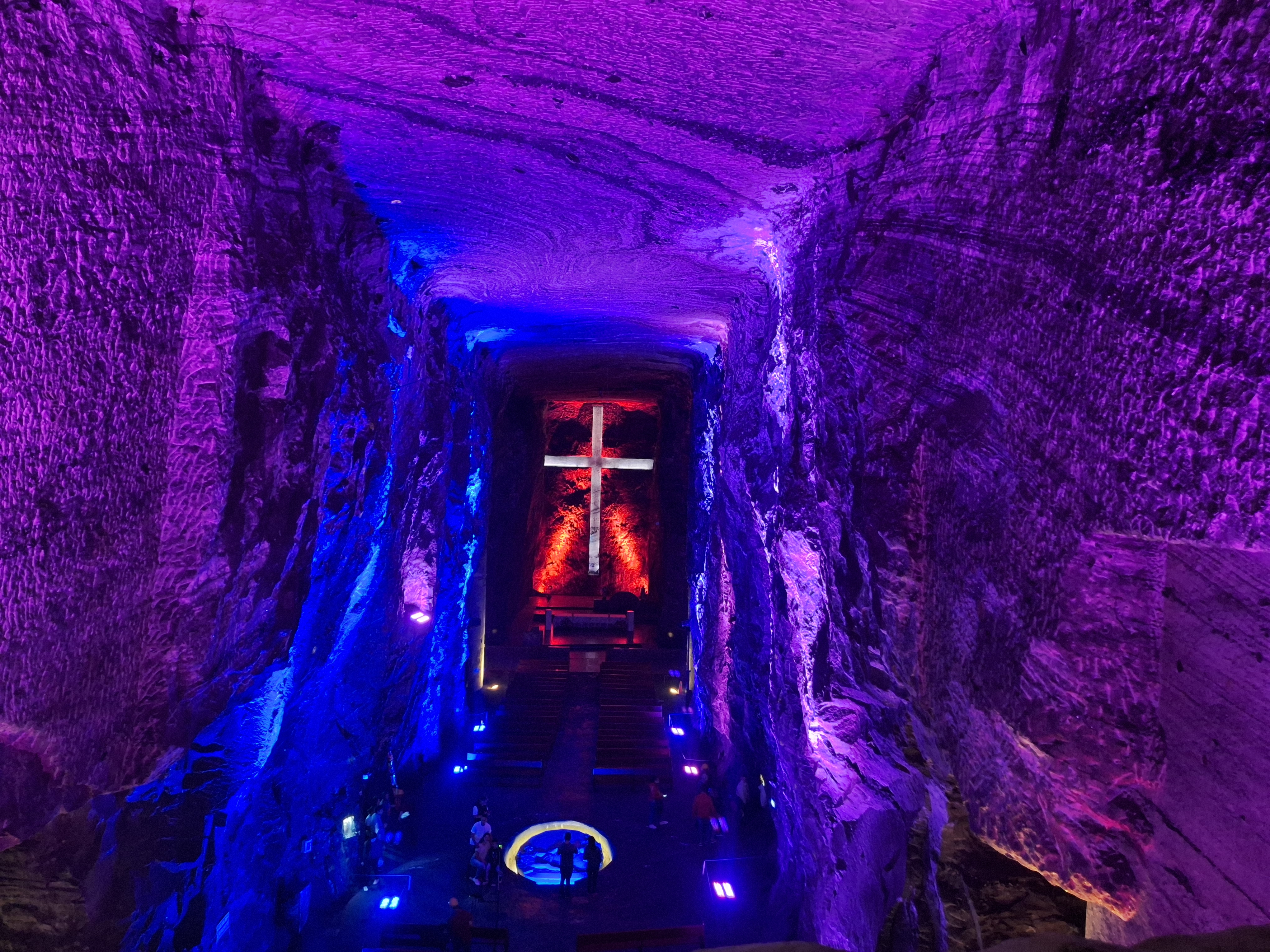
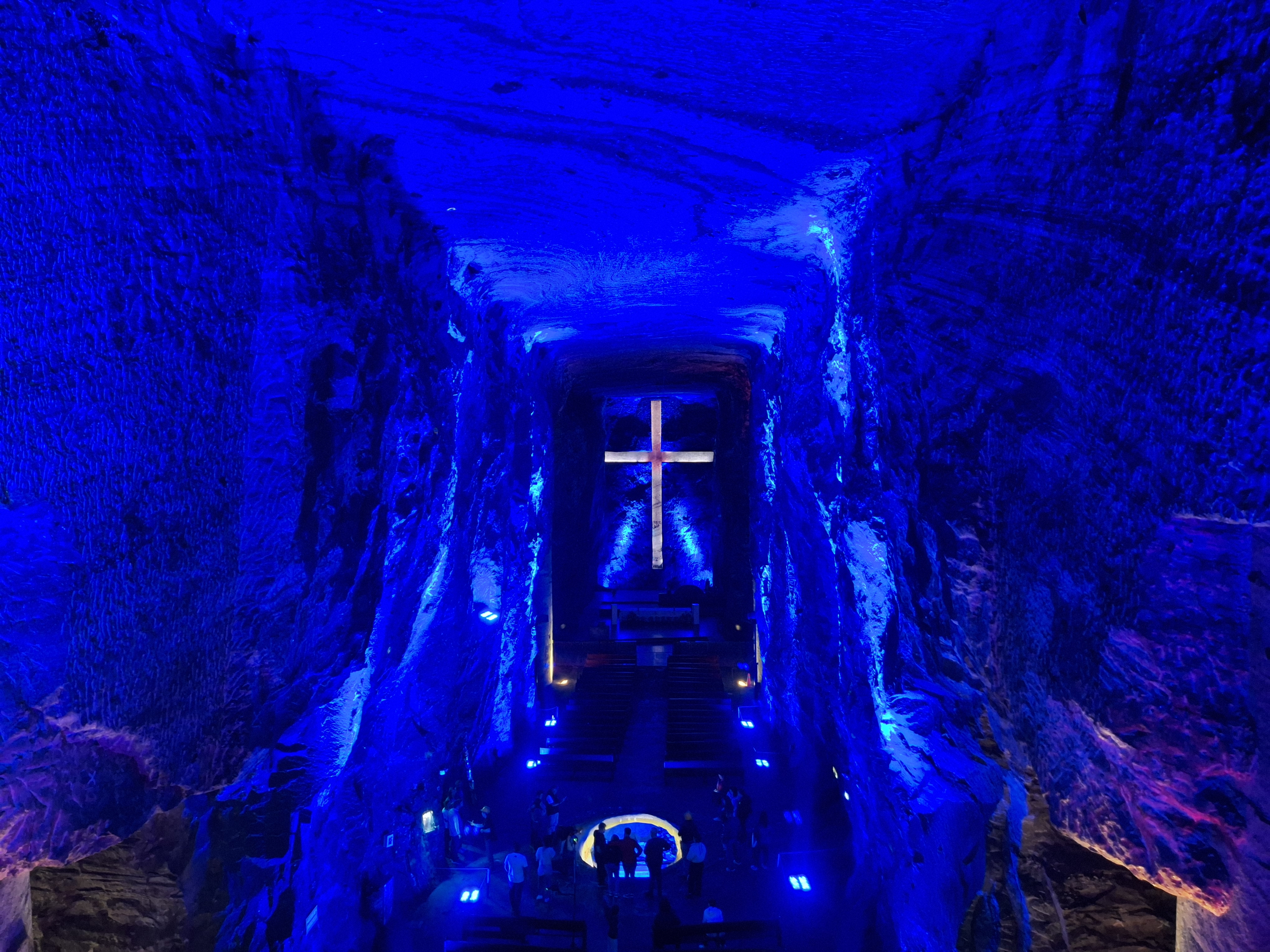
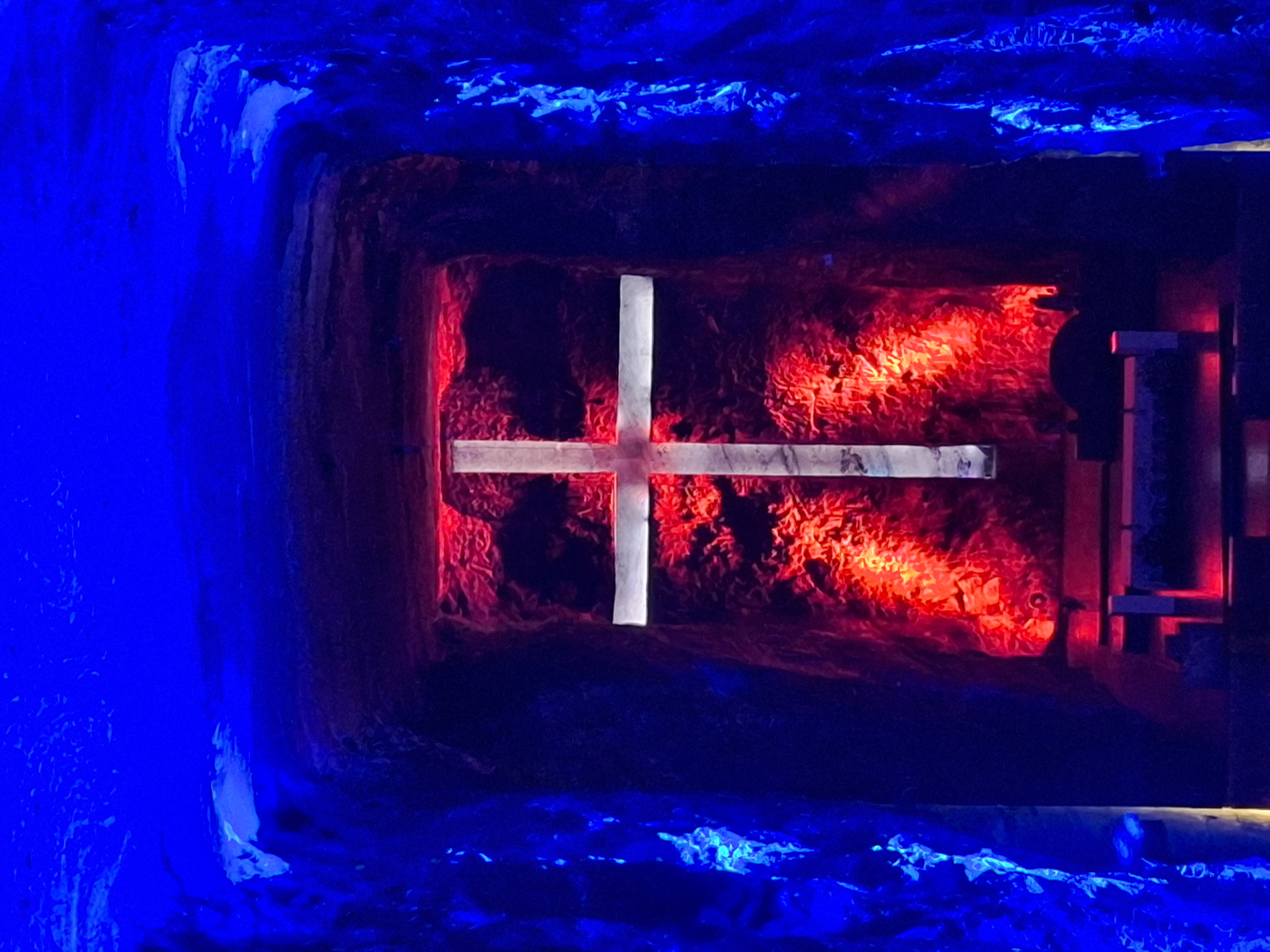
We ventured 2 ½ hours south of Bogota to the Salt Cathedral, the “First Wonder of Colombia.” The Catedral de Sal de Zipaquirá is an underground Roman Catholic Church built within the tunnels of a salt mine 660 feet underground inside a mountain near the city of Zipaquirá, Colombia. It’s a huge tourist destination and a popular pilgrimage spot.
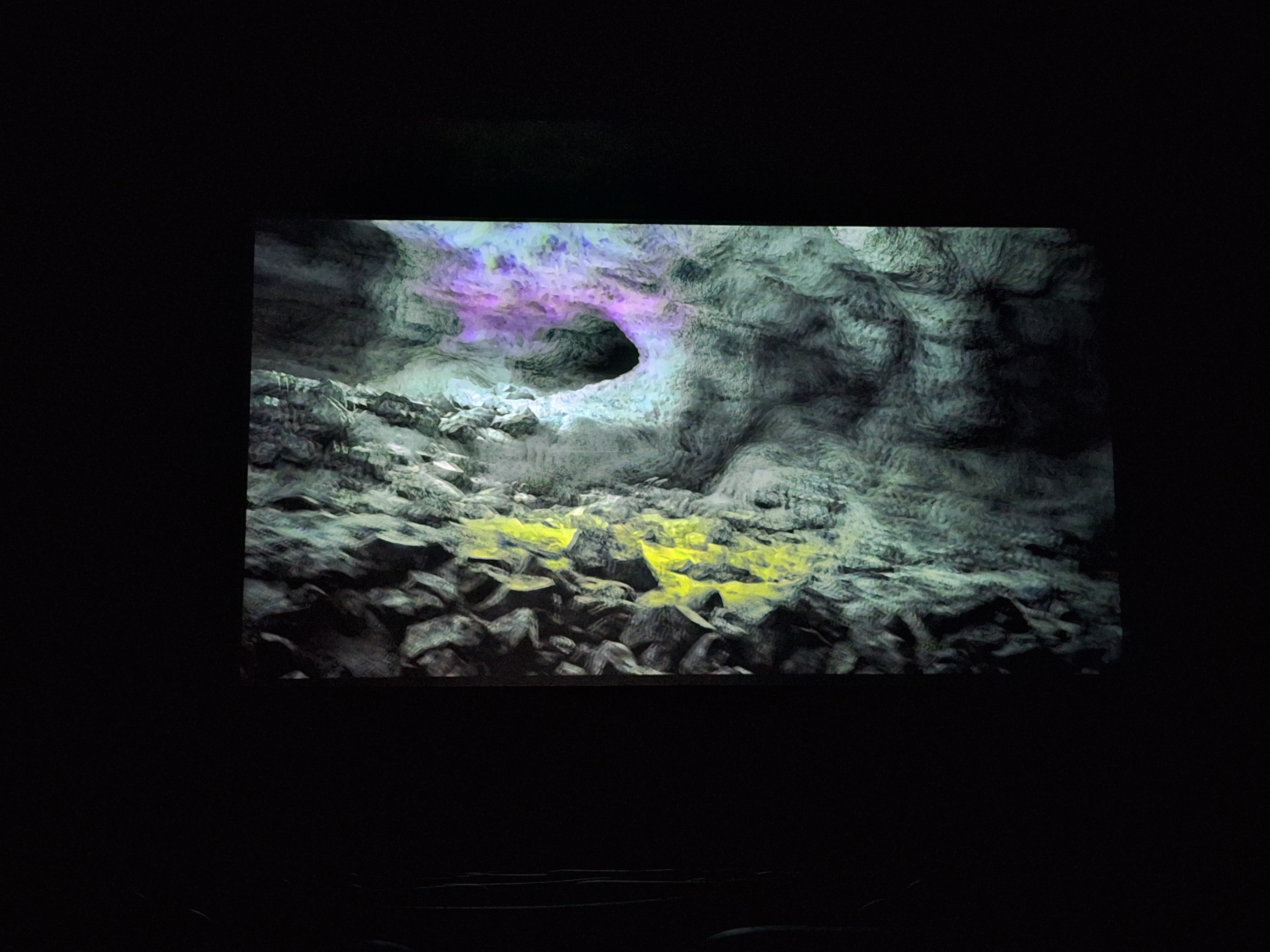
This massive subterranean cathedral is truly spectacular, with dramatic lighting, sculptures, light shows, Gregorian Chants and choir music, a mining tour, an underground mall, and even a train. Following the Stations of the Cross is a fascinating experience. The eerie combination of otherworldly and touristy is not to be missed!
We paid about $40 for the entry fee, plus the cost for the tour guide who drove us through the mountains.
“Every direction in Madrid, there’s something interesting!” – Bob Greenawalt
Madrid is shockingly delightful. We walked all over the city in what will surely be the first of many visits back to this wonderful Spanish city. Every direction in Madrid, there’s something interesting!
Bob’s favorite place in Madrid was the Plaza Mayor, a classic European central square with scores of charming outdoor restaurants and local entertainment. Lisa’s was gelato scooped to resemble flowers the size of her head!
While strolling around the fascinating streets, shopping, people-watching, and trying the excellent food, we encountered an unexpected air parade over our heads. We also visited the Museo de Jamon (Ham Museum), and Bob ordered up a classic ham sandwich.
We walked through lush, wondrously landscaped Retiro Park, Madrid’s Central Park, and discovered the Crystal Palace (which is an art center, and while it was closed for renovation, the views inside were awesome), enjoyed street music, walked the paths and crossed creeks, and saw a lovely lake where you can go canoeing.
We also placed a love lock in Plaza Mayor and visited the Palacio de Vasquez (part of the Reina Sofia ticket, but pretty uninspiring), Museum of Anthropology (pleasant, even though Bob thought it was the Museum of Archeology until he noticed the dearth of dinosaurs). We averaged about 7 miles a day walking around Madrid, and finally tried the clean, modern Metro when our feet got sore.
Our last breakfast, featuring tortillas Española and churros with chocolate sauce in an outdoor restaurant near the train station, was a mouthwatering invitation to return.
P.S. Plaza de la Villa is just a very old plaza. Learn more.
We took a double decker train from Madrid to Barcelona. What a fun way to travel! Next time we’ll spring for the upper deck.
Once we got to glorious Barcelona, we walked around las Ramblas, visited the Mercat (market), and pretty much covered at least 7 miles of Barcelona on foot, trying to see every tourist site (with help from our former exchange student, Laia, and her family as our tour guides).
The Museo Reina Sofía is a must-see during any visit to Madrid. This sprawling museum is Spain’s national museum of 20th-century art collection features works by Gris, Dali, and Miro. The most famous masterpiece in the museum is Picasso’s 1937 painting Guernica, a stunning depiction of the ravages of war that dominates an entire room.
TIP: There are a number of times during the week when admission is free. You’ll find those hours in the Museum Guide (English-language link below)
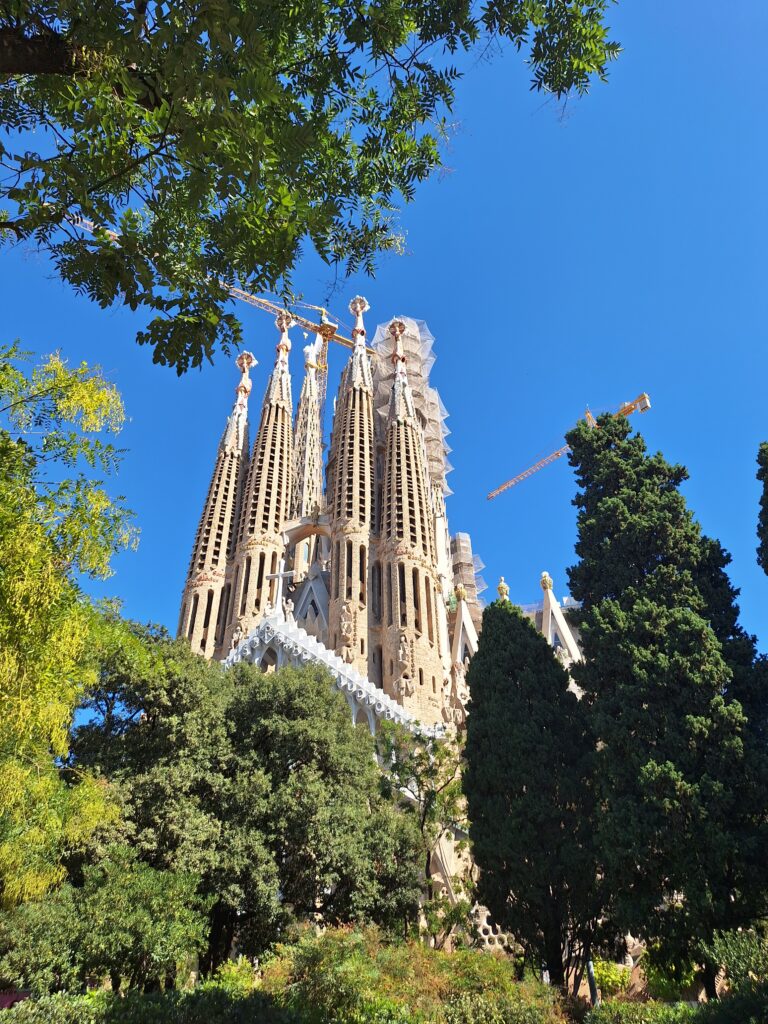
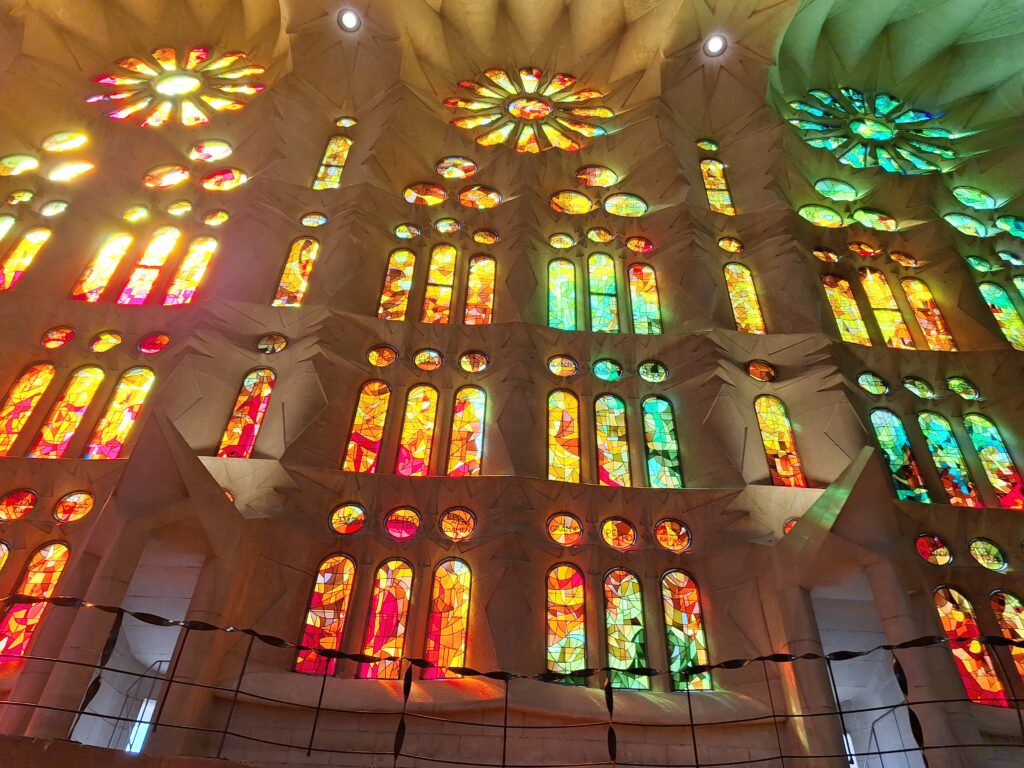
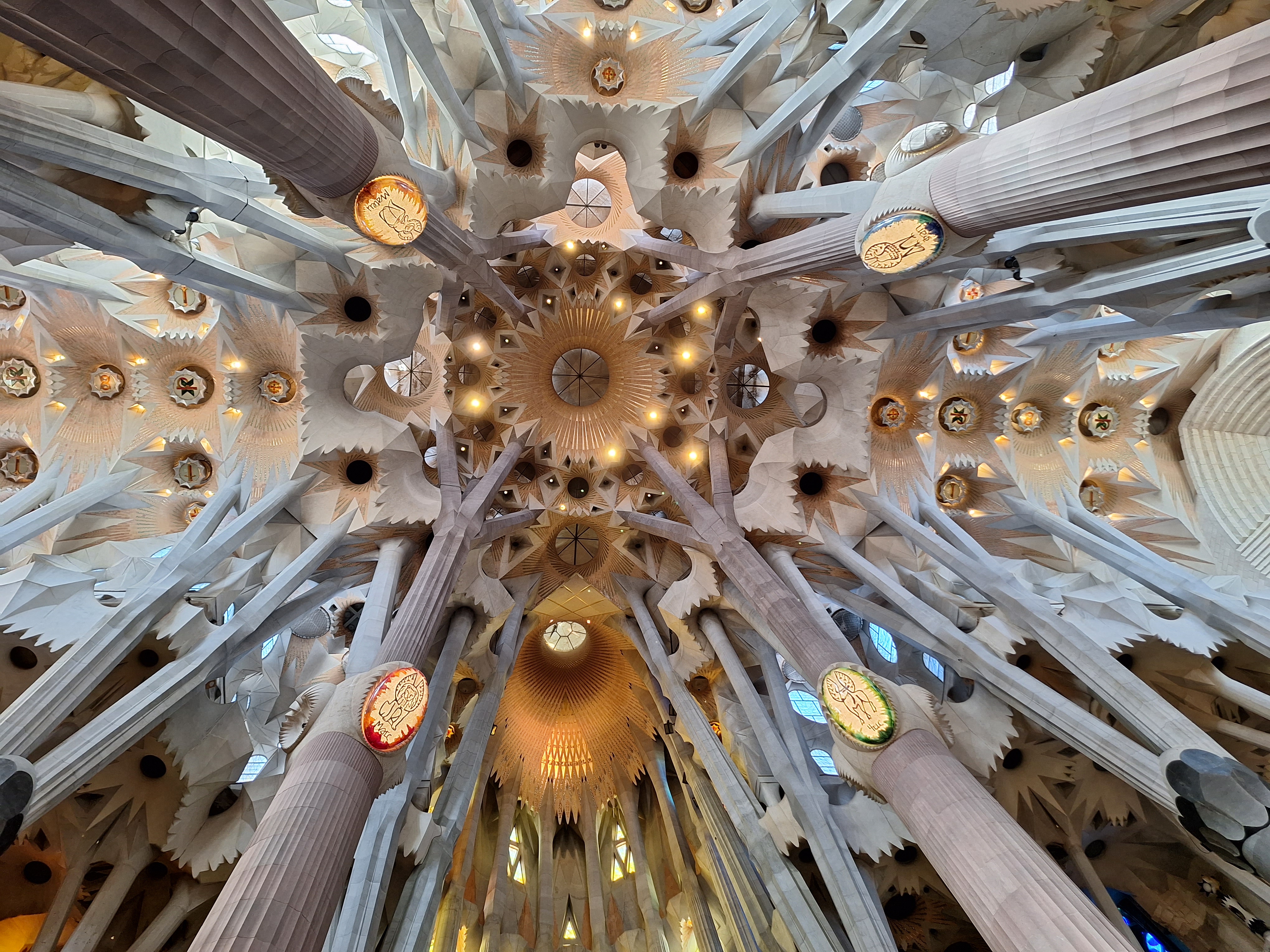
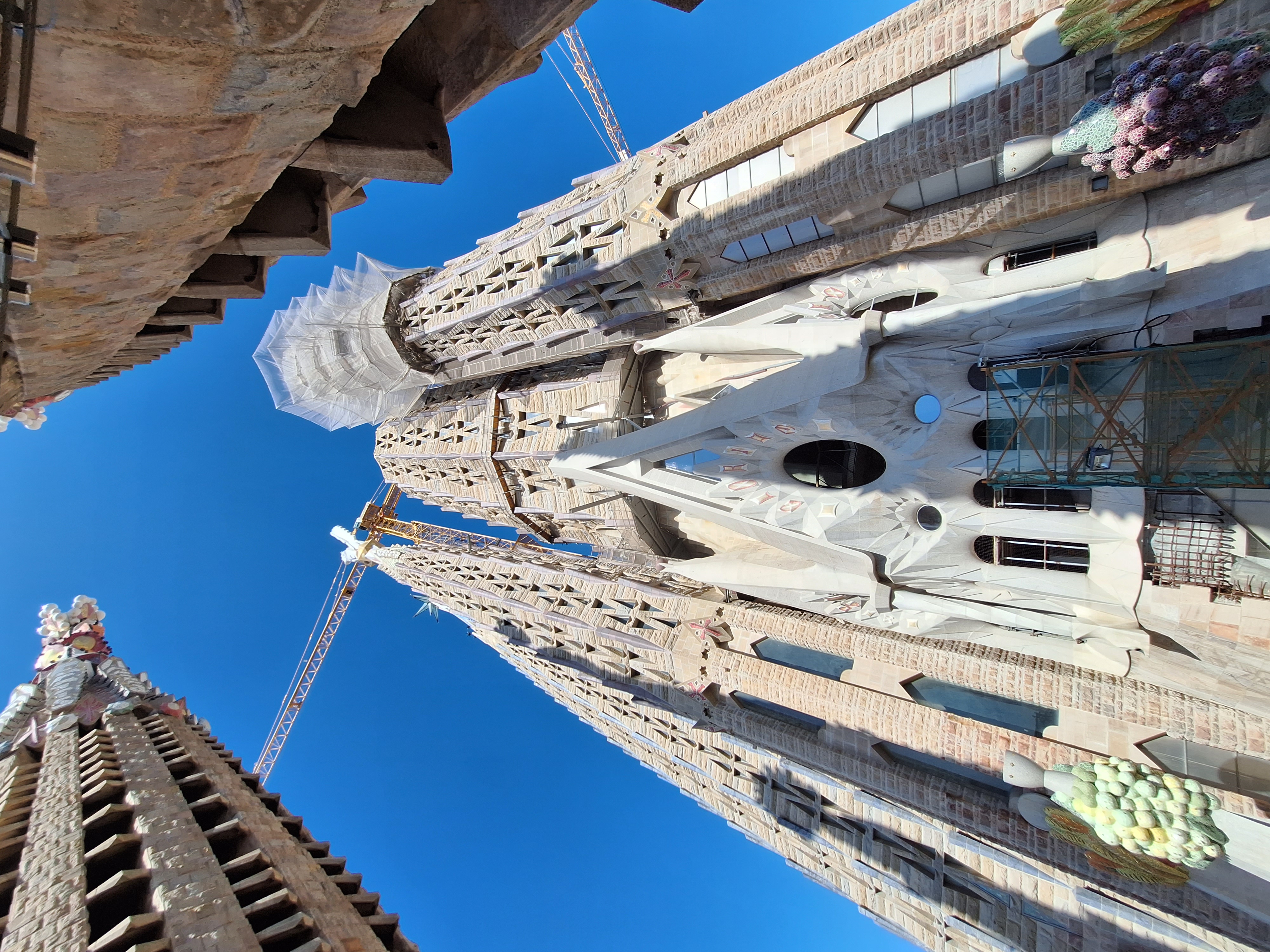
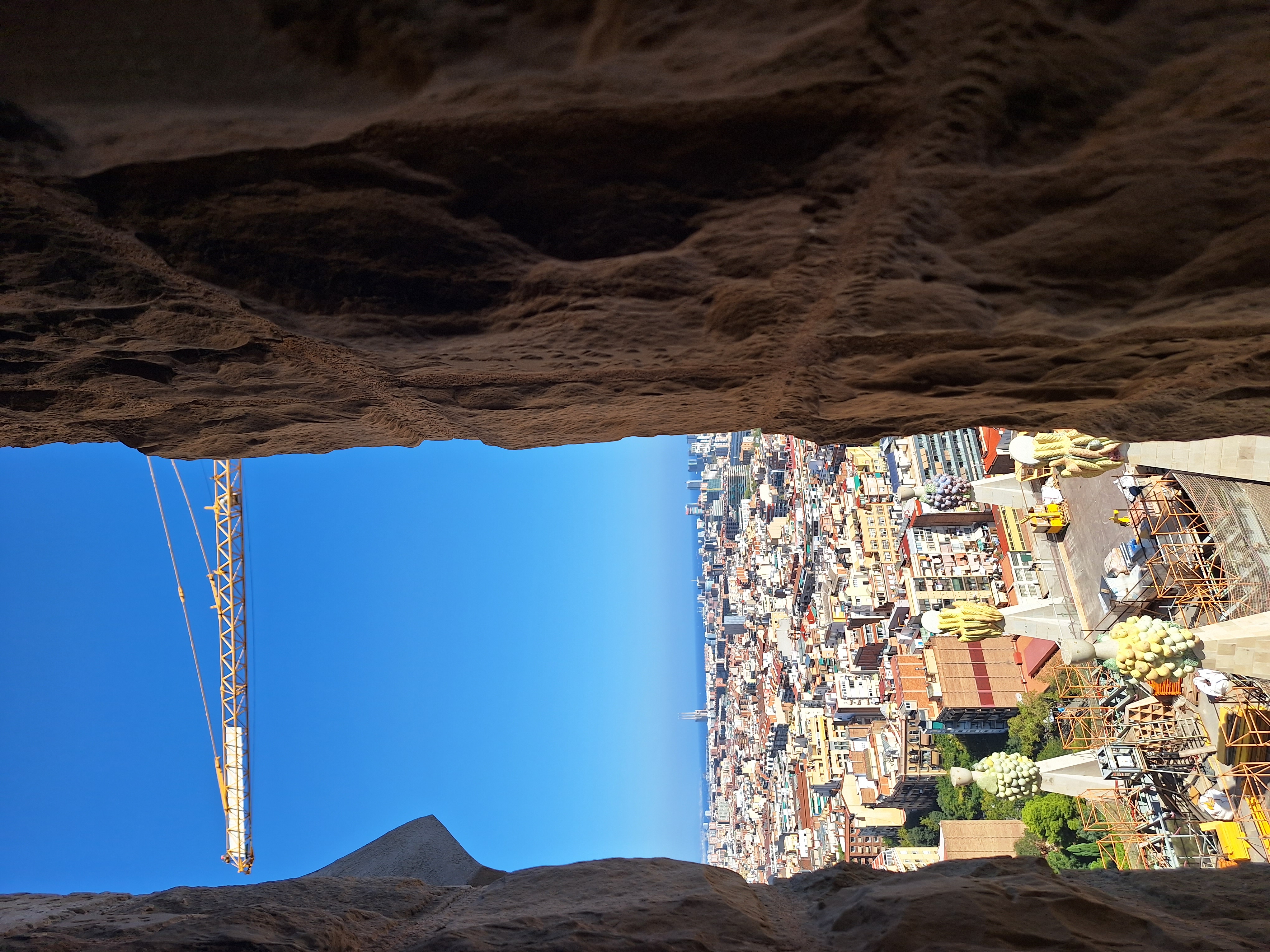
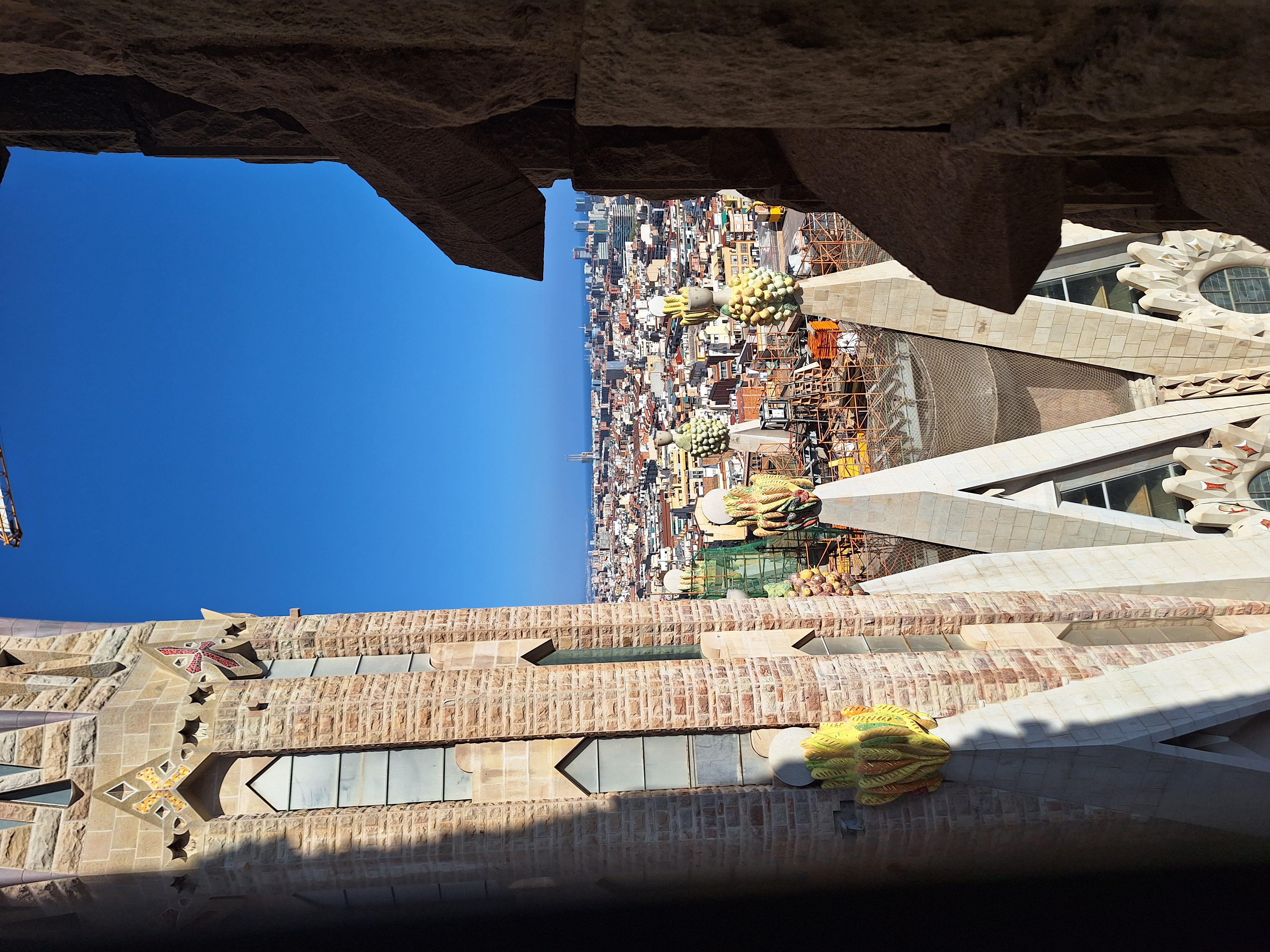
The Basilica Sagrada Familia (Holy Family Basilica) in Barcelona is the most over-the-top cathedral in the world. And it’s still under construction!
Designed mostly by the inimitable Antoni Gaudí, it is Seussian on the exterior and equally fascinating inside. The way Gaudí plays with light with the stained-glass windows boggles the senses with its natural exuberance. Don’t miss it if you travel to Barcelona! And make sure you go to the Passion Tower. (Stay through the video to the end, and you’ll enjoy a concert in the bell tower.)
We also discovered a couple of hidden museums in the bowels of the basilica, and even a bust of the architect, Gaudí.
The guided tour with the tower included cost about 40 euros each, which included an English-language audio tour and a trip up one of the towers. There are cheaper options available, and we did leave the tour and just use the audio guide, which was more our style. We spent at least three hours there.
TIP: Reserve your tickets well in advance of your trip, because the Basilica is very popular and sells out. And it’s best to buy them directly from the cathedral’s website, because other distributors jack up the prices.
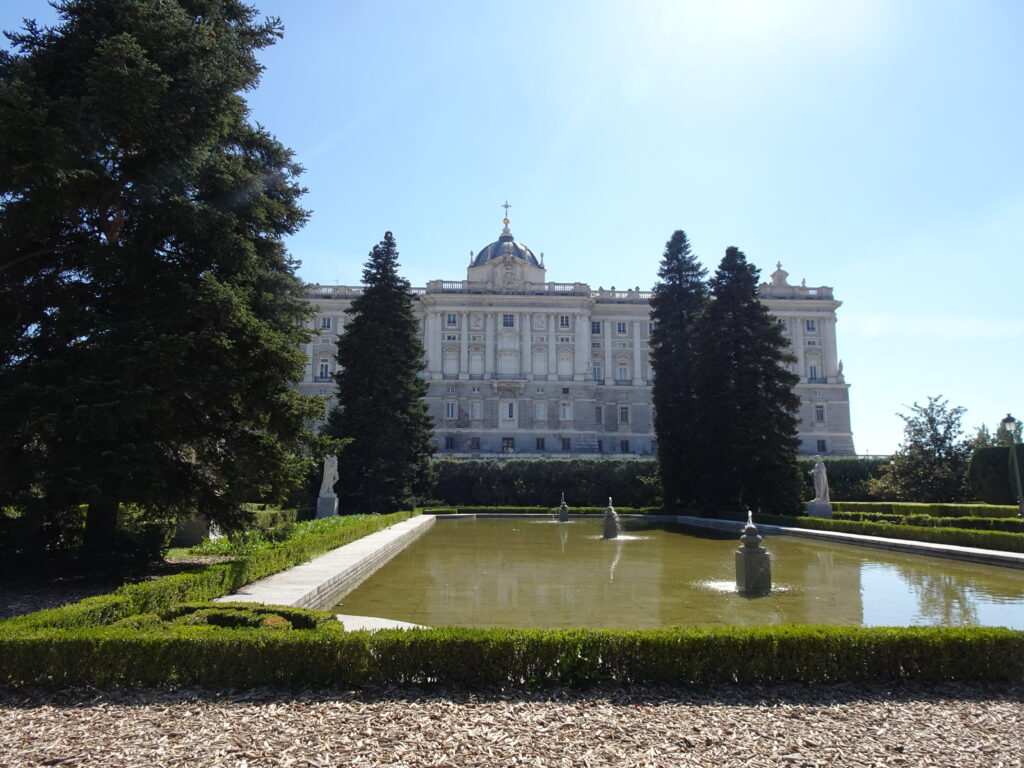
No trip to Madrid is complete without a visit to the Palacio Real, or Royal Palace, a stunning structure that has more than 3,000 rooms, most of them embellished with gold. Bob’s camera is unusually tilted during this video, so try not to get dizzy!
Entrance tickets cost 12 euros for Lisa, half price for Bob as a senior. (There are some advantages!)
It’s hard to describe the beauty. You’ll have to watch to see!