La Pared Beach is a year-round popular surfing spot a block from Luquillo’s main town square. We never swam there because the waves were too high, but we did enjoy watching the surfers, including kids’ classes and competitions, while enjoying munchies and libations at Boardrider’s Restaurant.
From 85 degrees to 45. From ocean to lake. Big adjustments! Good to be home, though. Stick season has a couple of big advantages: we can see Lake Rescue from our house for a few weeks. And we can see the birds nests.
We took a tour of Hacienda Muñoz in San Lorenzo, half an hour up the mountains from San Juan. Its coffee has won the Best Coffee People’s Choice Award at the Puerto Rico Coffee and Chocolate Expo for three years running. Is it really that good?
The tour focused on the coffee-growing industry and its history, as well as the methods used to grow, process, and roast coffee. The detail was sometimes excruciating, as we stood on the hillside in the hot sun listening to our impassioned guide go on and on and on.
While small, it’s a much larger operation than Hacienda Iluminada, the small hacienda we toured last fall which focused its tour on sustainable practices and integration into the forest. Here, we saw neat rows of coffee plants planted in full sun. In addition to its coffee fields, Hacienda Muñoz operates a small café, where we enjoyed fresh turkey sandwiches on baguettes, and a larger restaurant.
Lisa bought a bag of medium-roast coffee, and it was indeed exemplary.
The cost for the tour was $20, or $10 for kids and those over 60. It included a tasting.
We are spending the day enjoying Playa Almendros in Rincón after yesterday’s house closing.
That’s right, we now own a house in Cabo Rojo!
There’s a sea turtle swimming around out there, poking his head up now and then. A sea turtle greeted us at a different beach, Playa Ostiones, the day our offer was accepted a month and a half ago! Do you think it’s the same turtle, welcoming us to the island?
I feel a new sense of belonging here now that I own a home, even though I don’t live in it yet!
Join us for a tour of Puerto Rico’s first agricola (farmer) rum estate distillery!
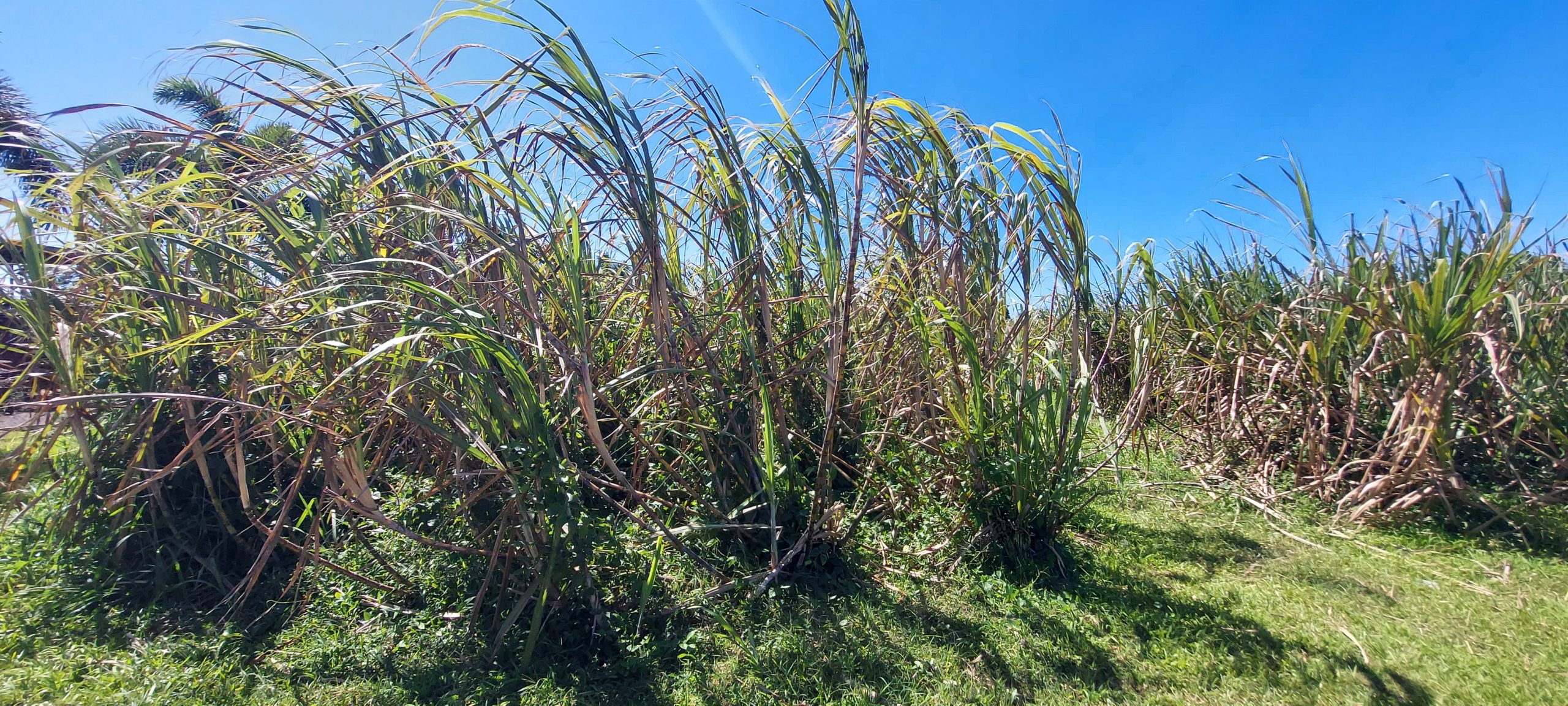
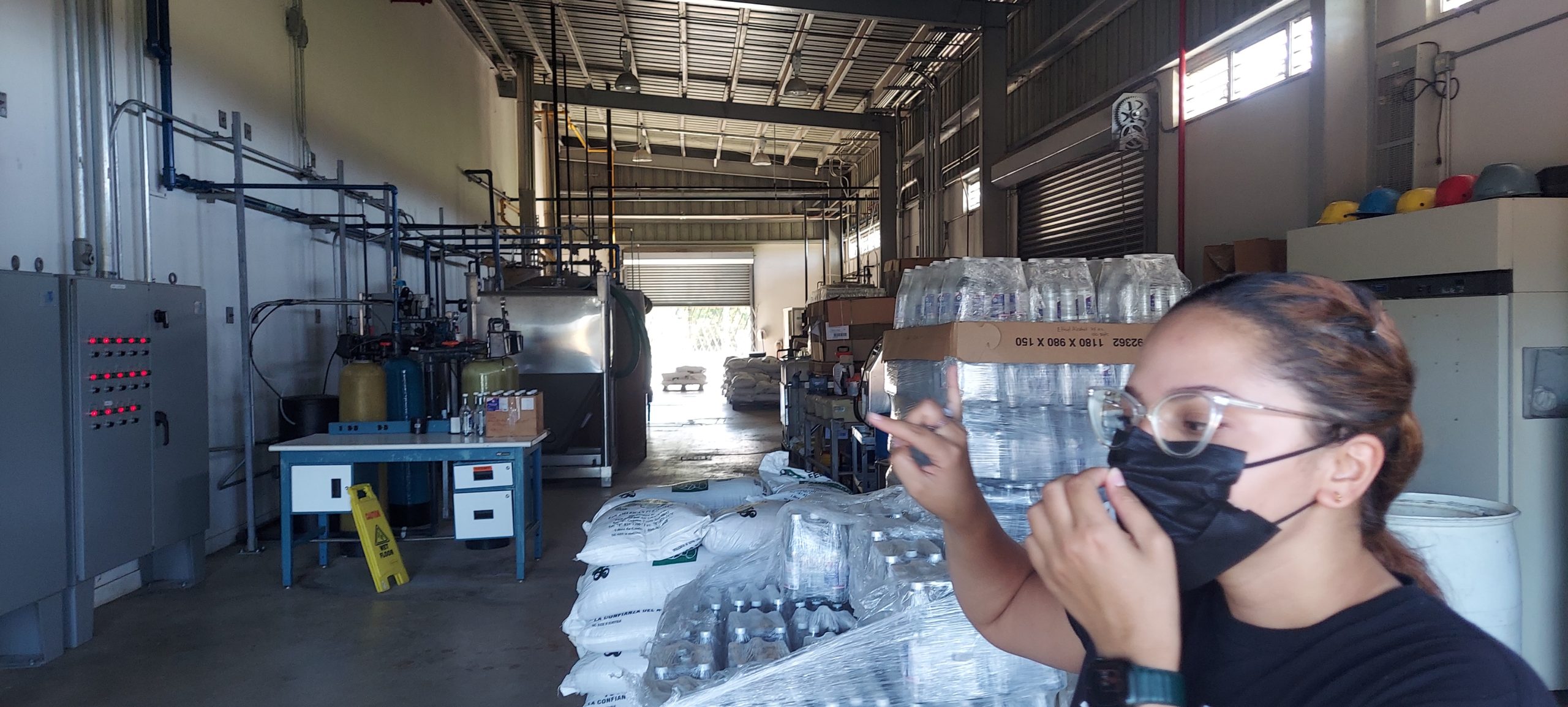
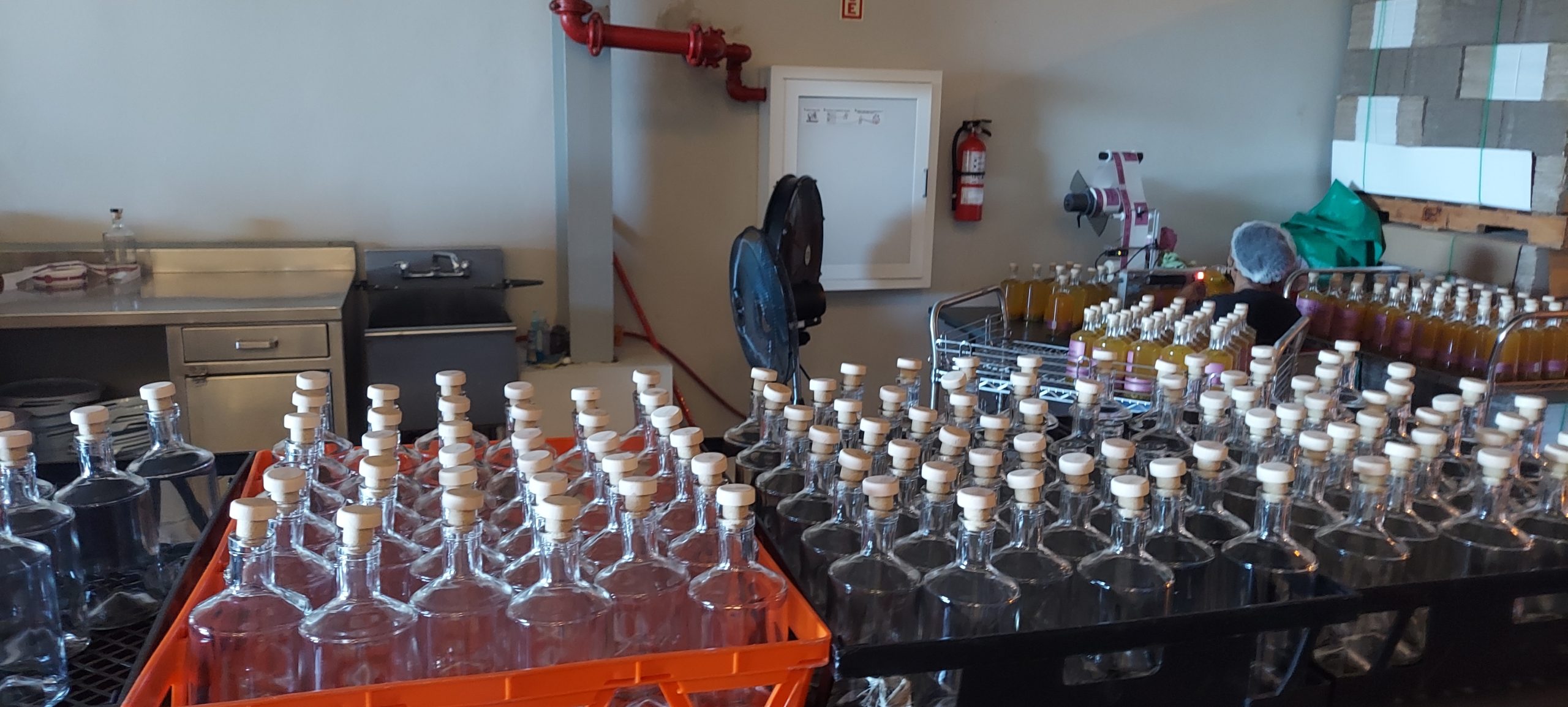
San Juan Artisan Distillers (Destilería San Juan) in Vega Alta is the only rum factory in Puerto Rico that makes its rum from sugar cane plants, inspired by the island’s tradition. Most rum distillers import molasses from other countries. But at this plant just half an hour west of San Juan, we got to walk through sugar cane fields, visit the barrel room, see the distillation tanks, learn what experimental flavors are brewing in the lab, watch staff label the bottles, and of course taste the various flavors of rum!
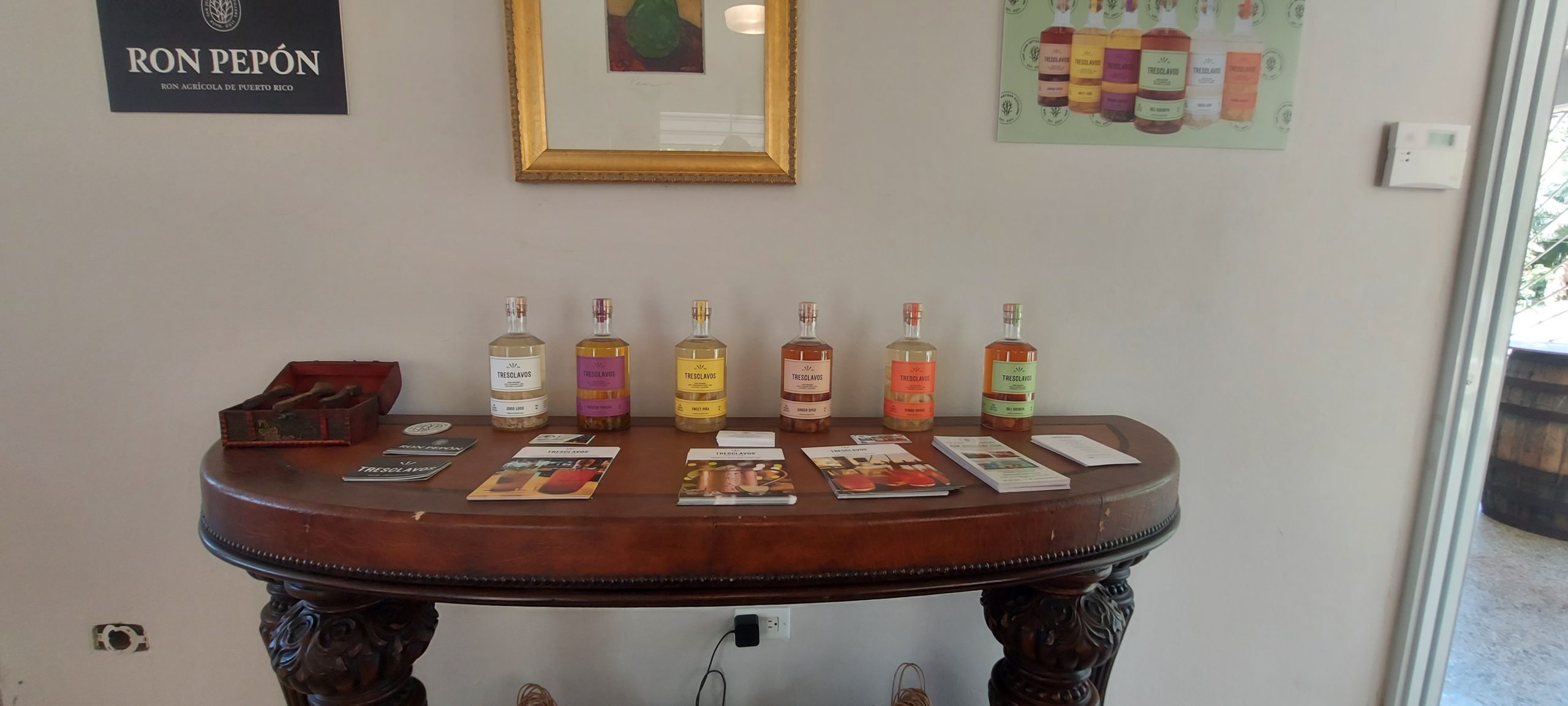
A family-owned company that launched in 2011, San Juan Artisan Distillers produce handcrafted ron caña (sugar cane rum) of exceptional quality infused with local tropical fruit, natural flavors and spices. The distillery makes six fruit-infused rums under the brand Tresclavos—Ginger Spice, Sweet Piña, Passion Parcha, Rumba Mango, Coco Loco, and Bili Quenepa—as well as an award-winning signature rum called Ron Pepón.
It’s the only rum distiller on the island that can offer a tour of the rum process from the sugar can plant all the way to your lips!
Thank you, Monica, for the informative — and delicious! — tour.
While trying to enter Ocean Lab Brewing Company from the beach at Carolina, Puerto Rico, we were stopped by a burly security guard. He told us we couldn’t walk through this private club named Vivo, and pointed us around the building to the street side to enter the restaurant from the parking lot with the rest of the lowly non-members.
Well, exc-u-u-u-u-se me! (Fellow Boomers will recognize that reference.)
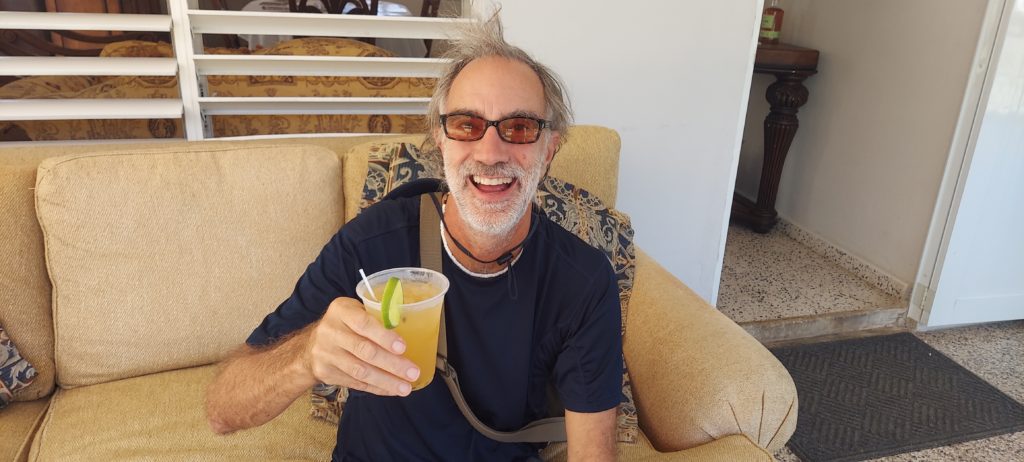
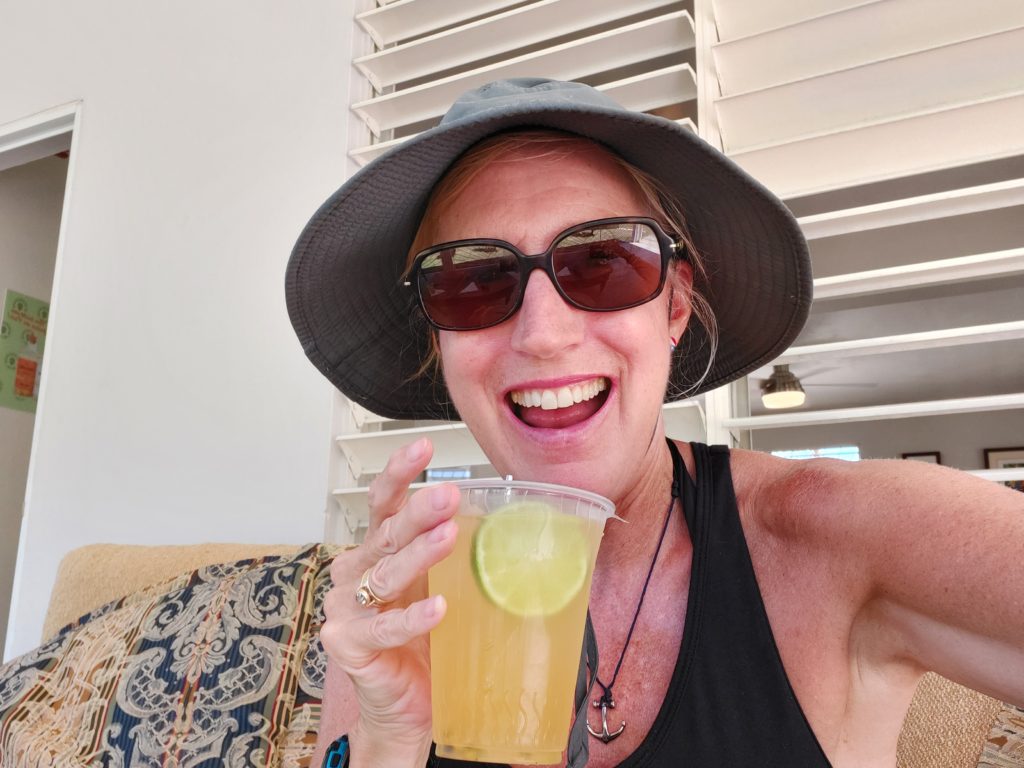
Our table on the third-floor balcony at Ocean Lab gave us a bird’s eye view of the Vivo Beach Club, so we googled it. It calls itself “the hottest private beach club in town.” You can join, or pay $40 for a day pass. This video shows you what you get.
After lunch, Bob tried to sneak through the club again to get out to the beach. Despite putting on his very best I-belong-here-don’t-mess-with-me act, he was stopped by the alert security guards and rerouted to the pedestrian exit. Foiled again!
We’re starting to explore beaches on Puerto Rico’s southeast coast, beginning with Playa de Guayanés in Yabucoa. The warmest water my tootsies have ever been dipped in! It’s a popular local beach, but still very quiet. The sand offered up magnificent seashells in various shades of brown.
But watch out for the red ants that sting in the grassy sand under the palm trees!
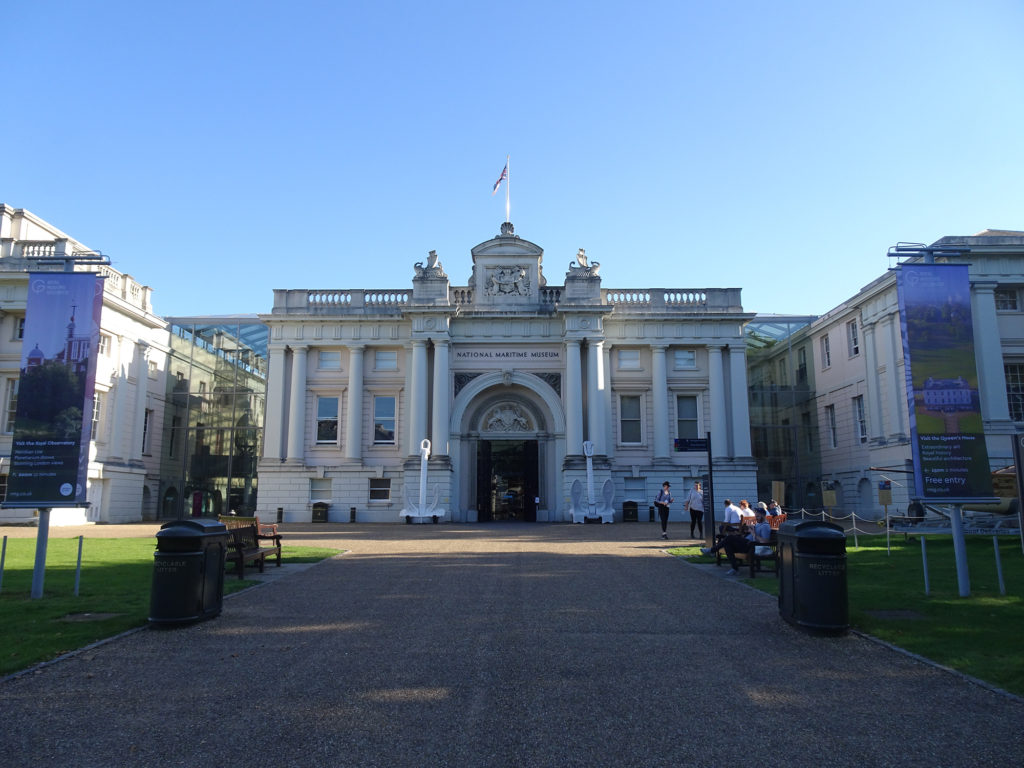
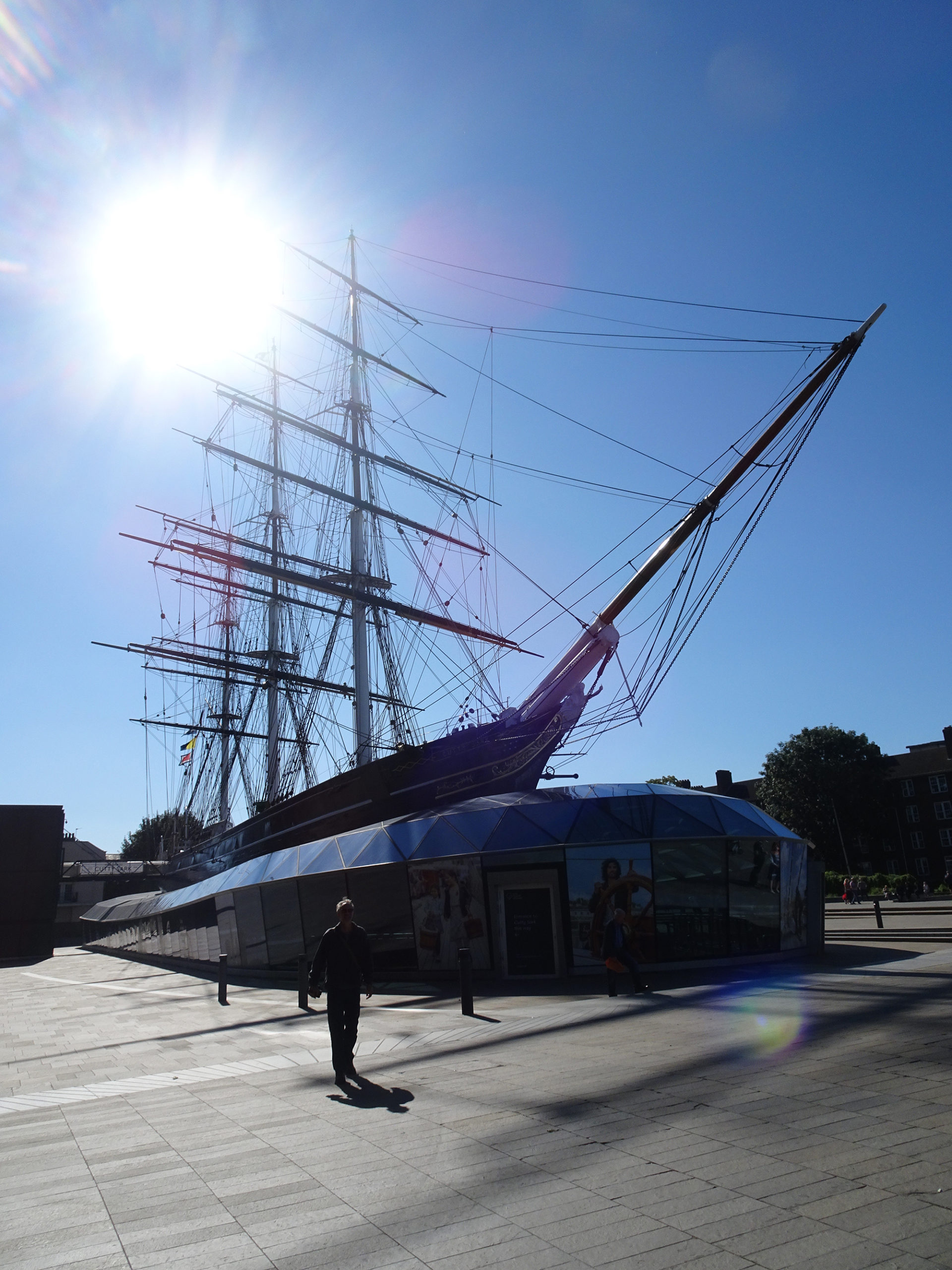
When we took a Thames River Cruise from London to Greenwich last fall to see the Royal Meridien, we discovered the National Maritime Museum, one of a quartet of the Royal Museums in Greenwich. The others are the Royal Observatory Greenwich, where the Meridien resides, and two others that will have to wait till next time: the historic ship Cutty Sark and the Queen’s House.
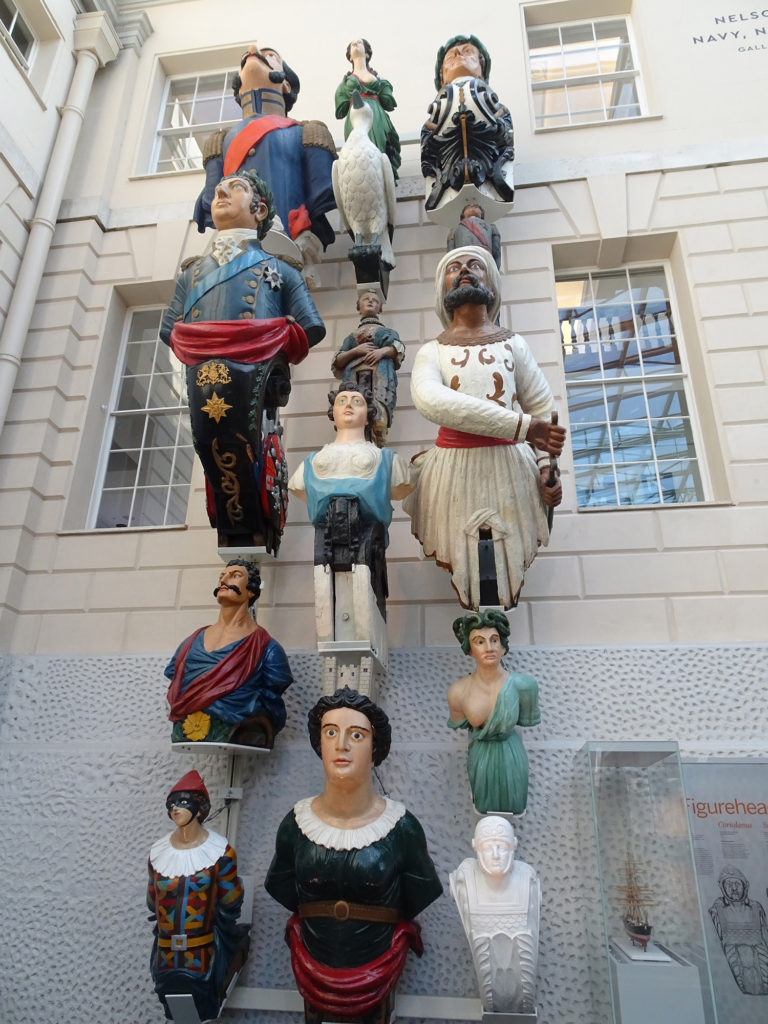
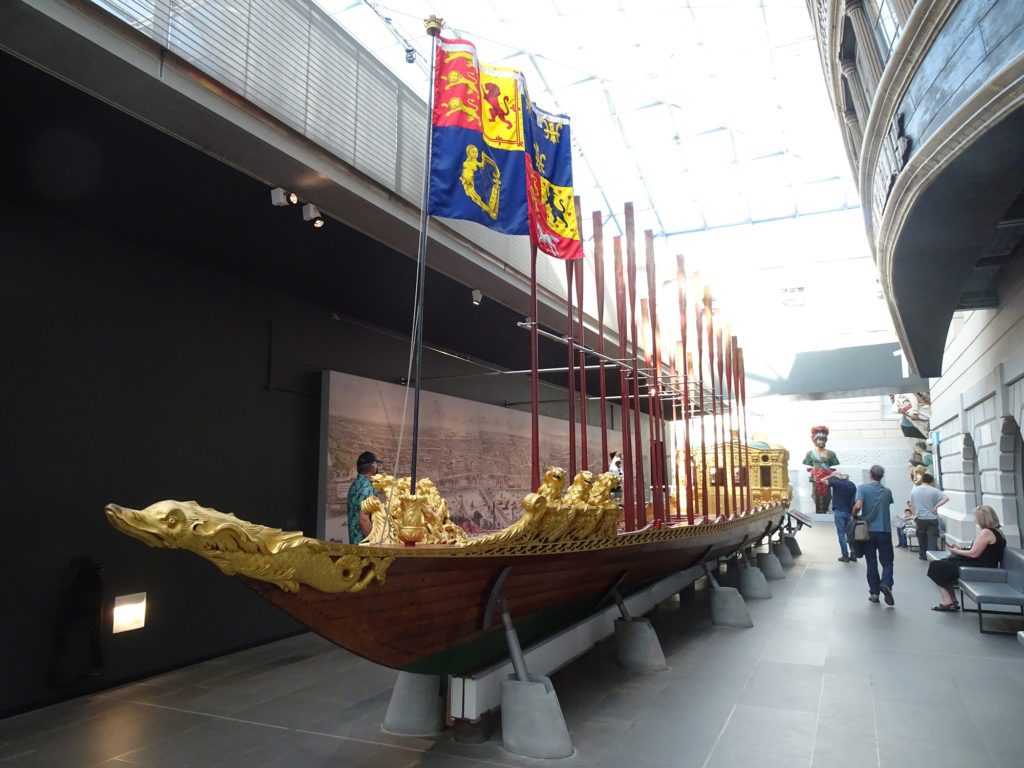
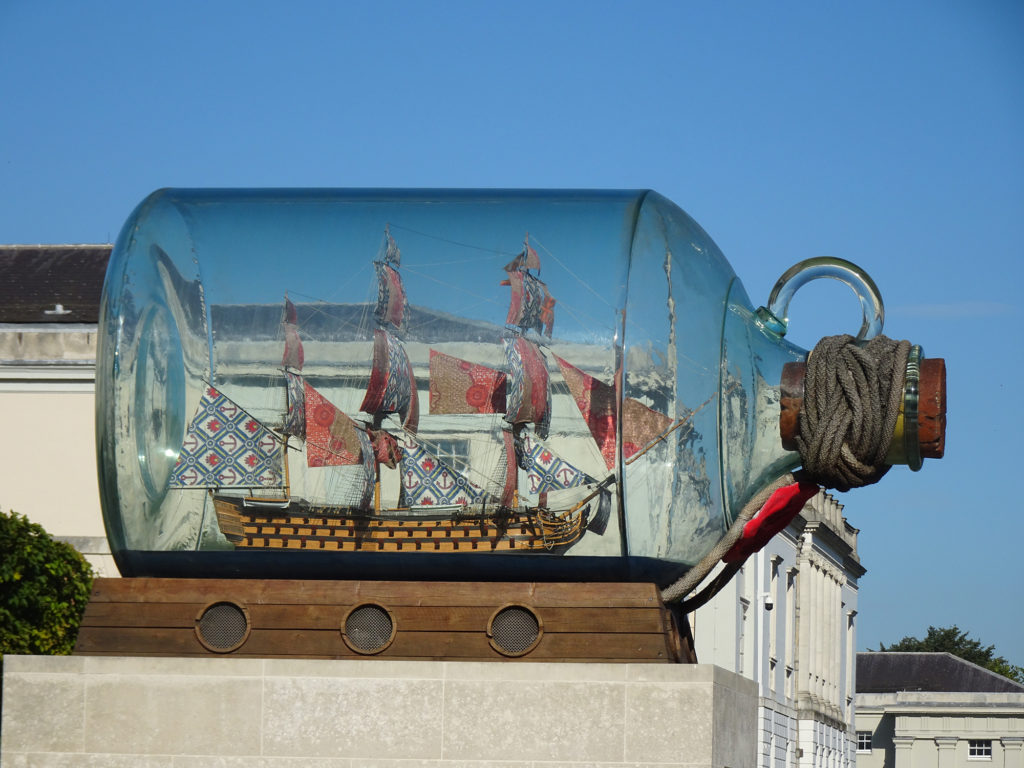
The National Maritime Museum takes you on an exploration of British naval history and Imperial arrogance, with a ship simulator, nautical oddities, and interactive games. We loved the giant message in a bottle and the colorful exhibit of ship figureheads. Admission was free.
Ship figureheadsSome rich earl’s ostentatious boatCutty SarkMessage in a bottle
What a fun discovery! Greenwich deserves more than a day.
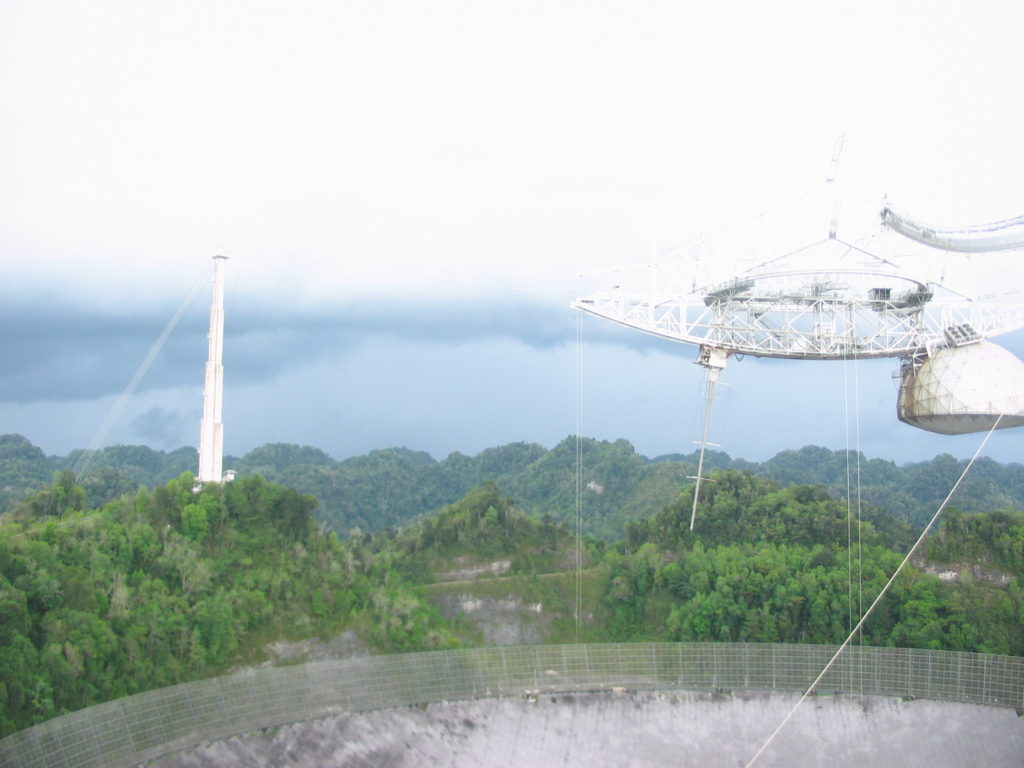
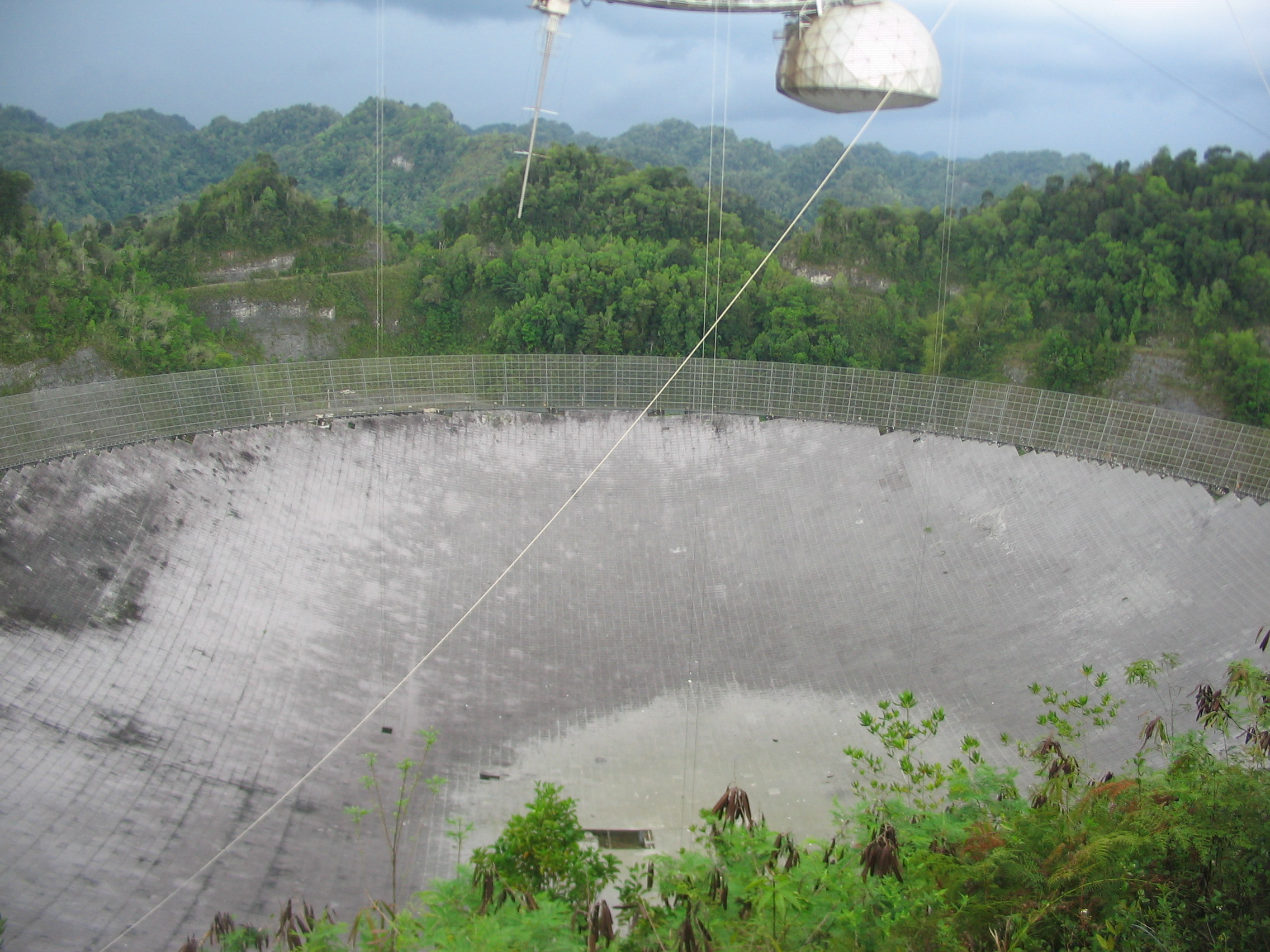
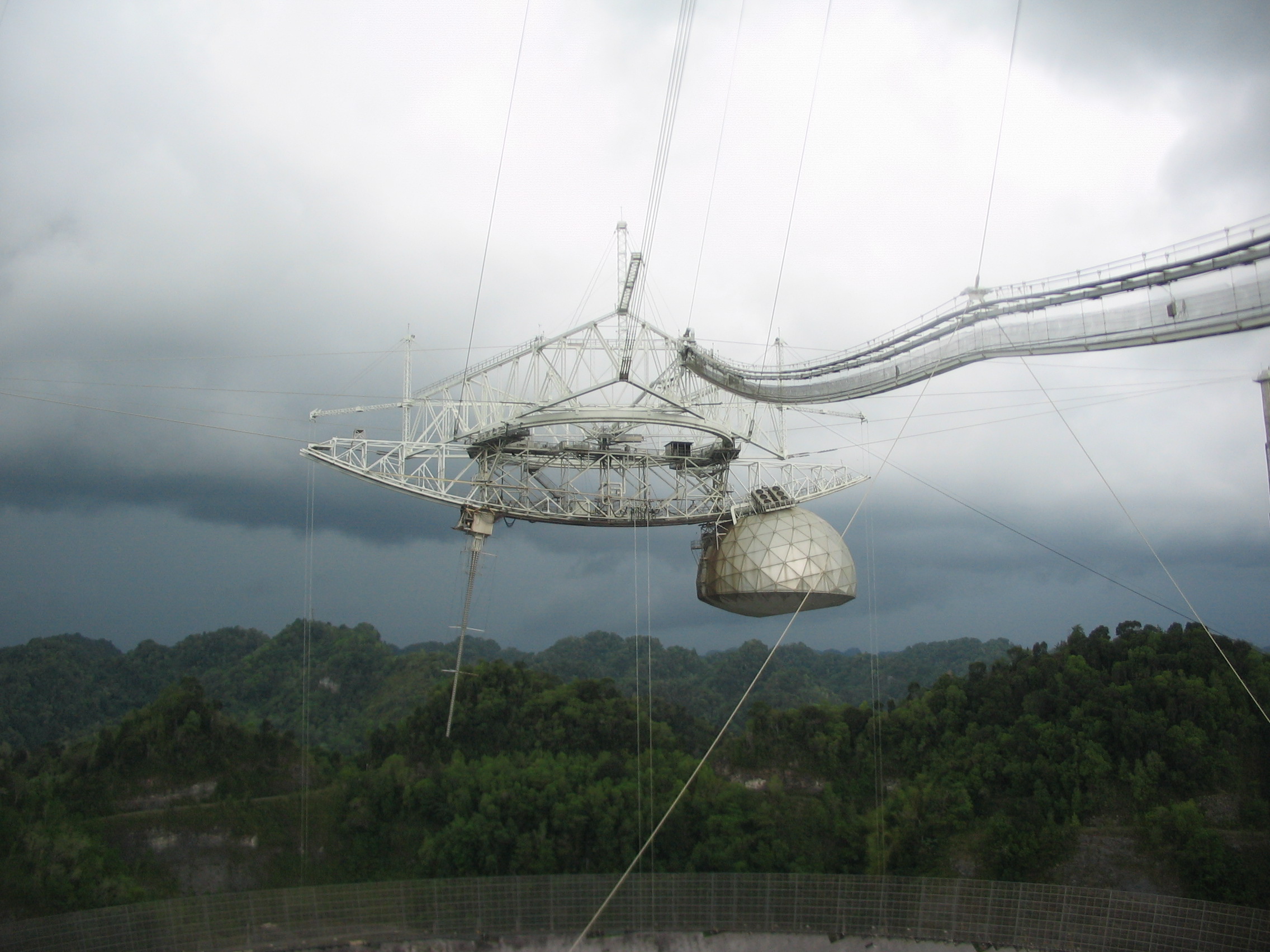
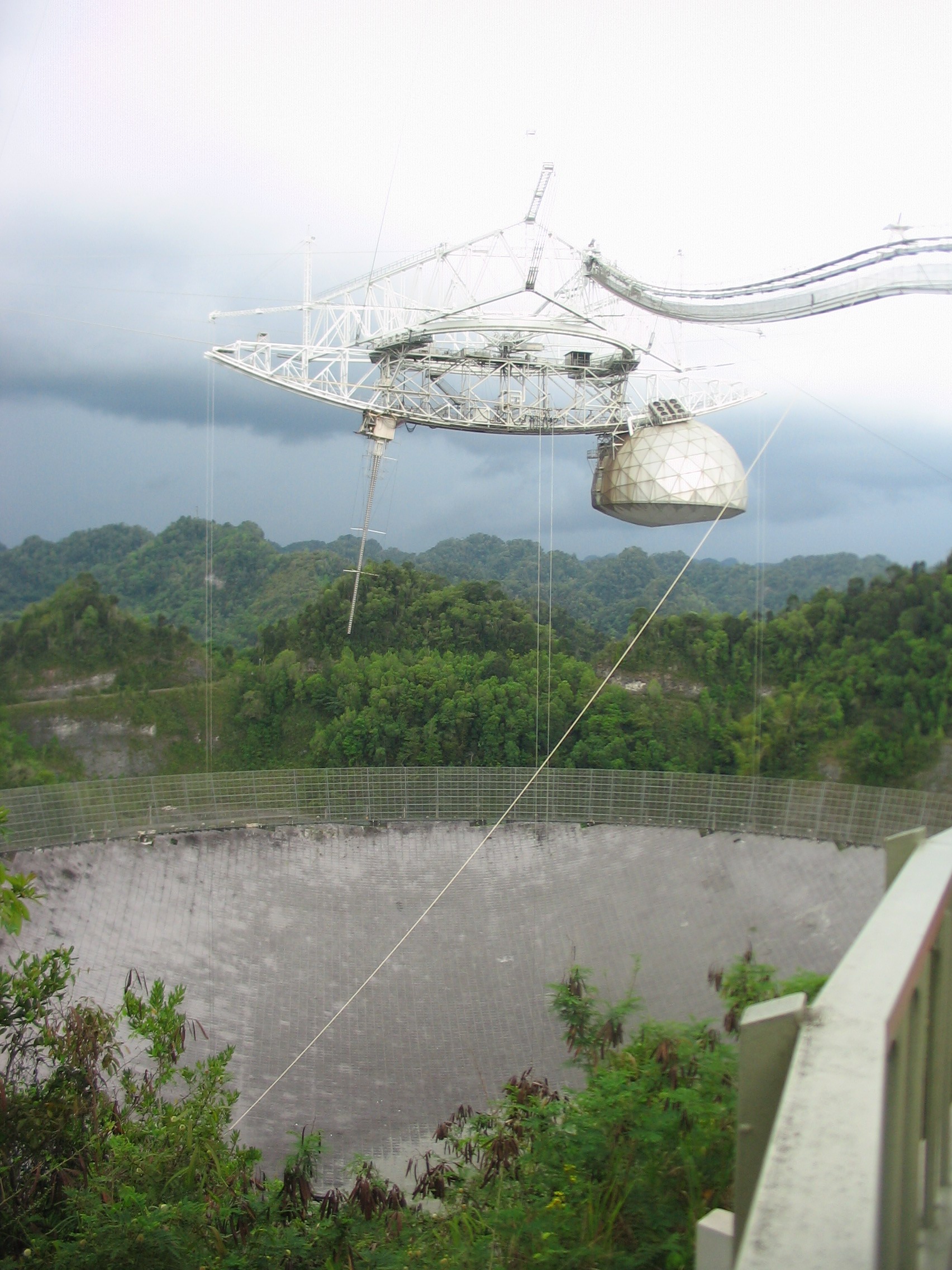
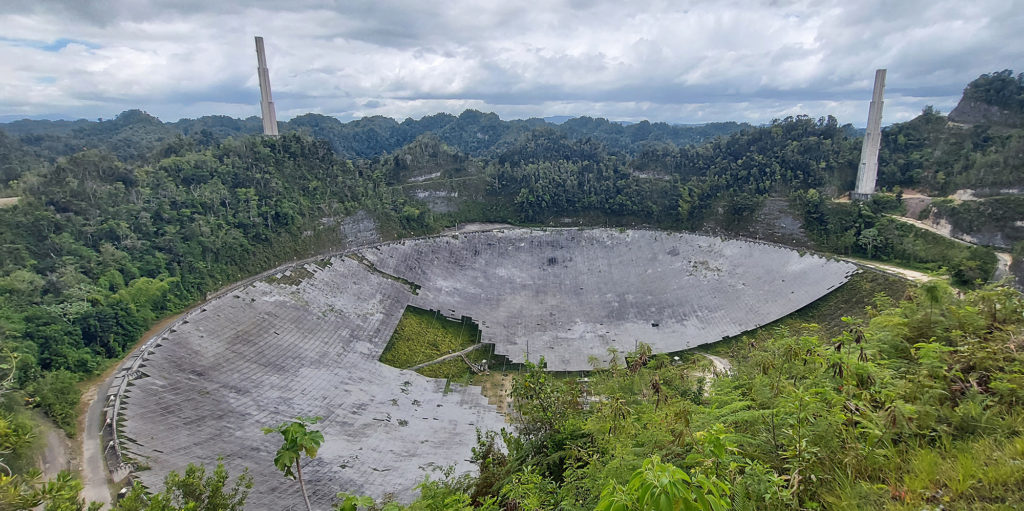
Our family visited Arecibo Observatory to see the 1,000-foot radio-telescope constructed in a sinkhole in the karst region of western Puerto Rico during a vacation in April 2008. The radio-telescope and its visitors center offered a fascinating exploration of space for my two science-minded kids. Naturally, they don’t remember it all today. But Bob and I do! That’s why, when we heard that the colossal radio-telescope had collapsed last year, we booked tickets as soon as the facility reopened to see how it looks now.
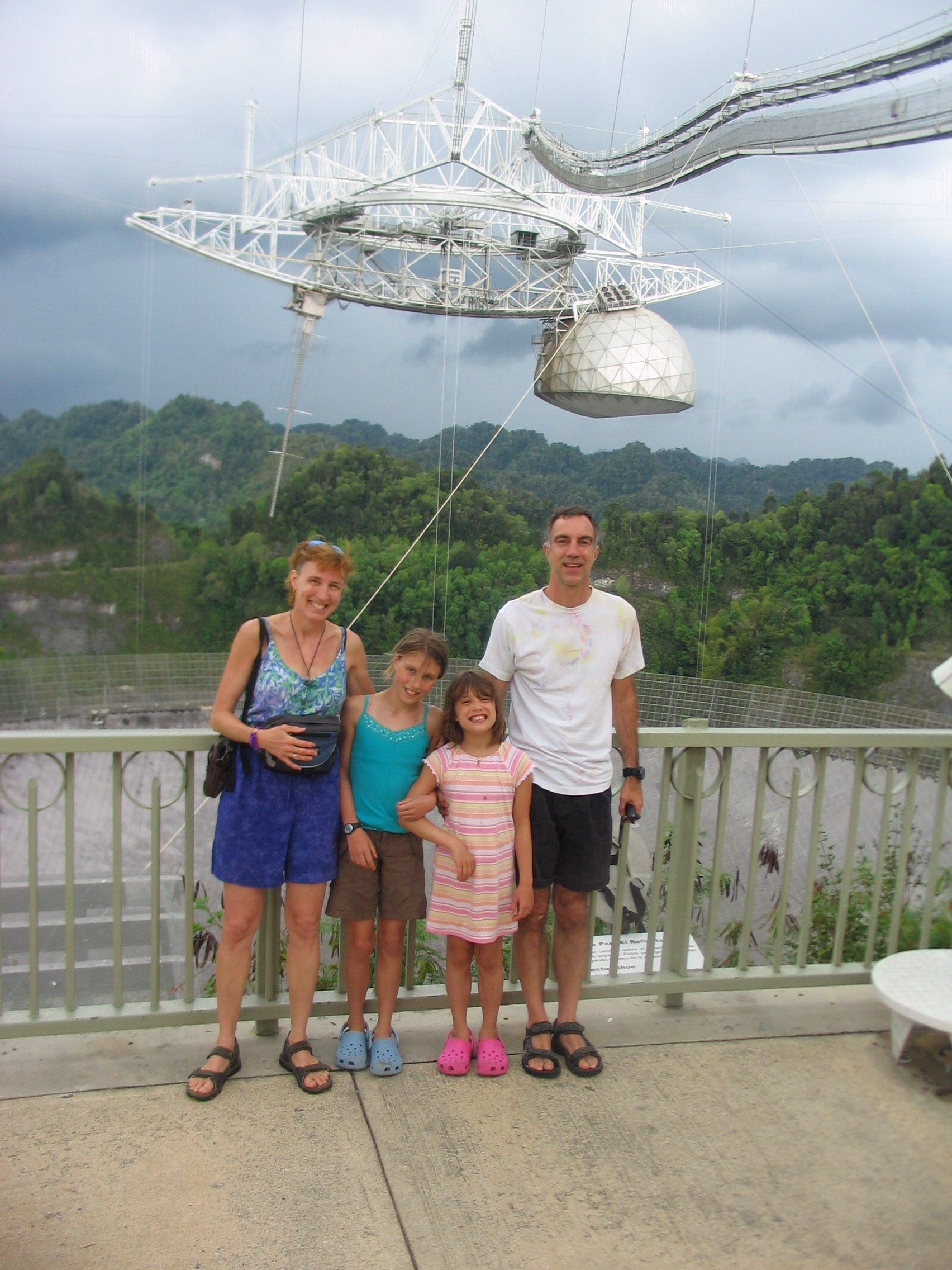
Arecibo Observatory in 2008
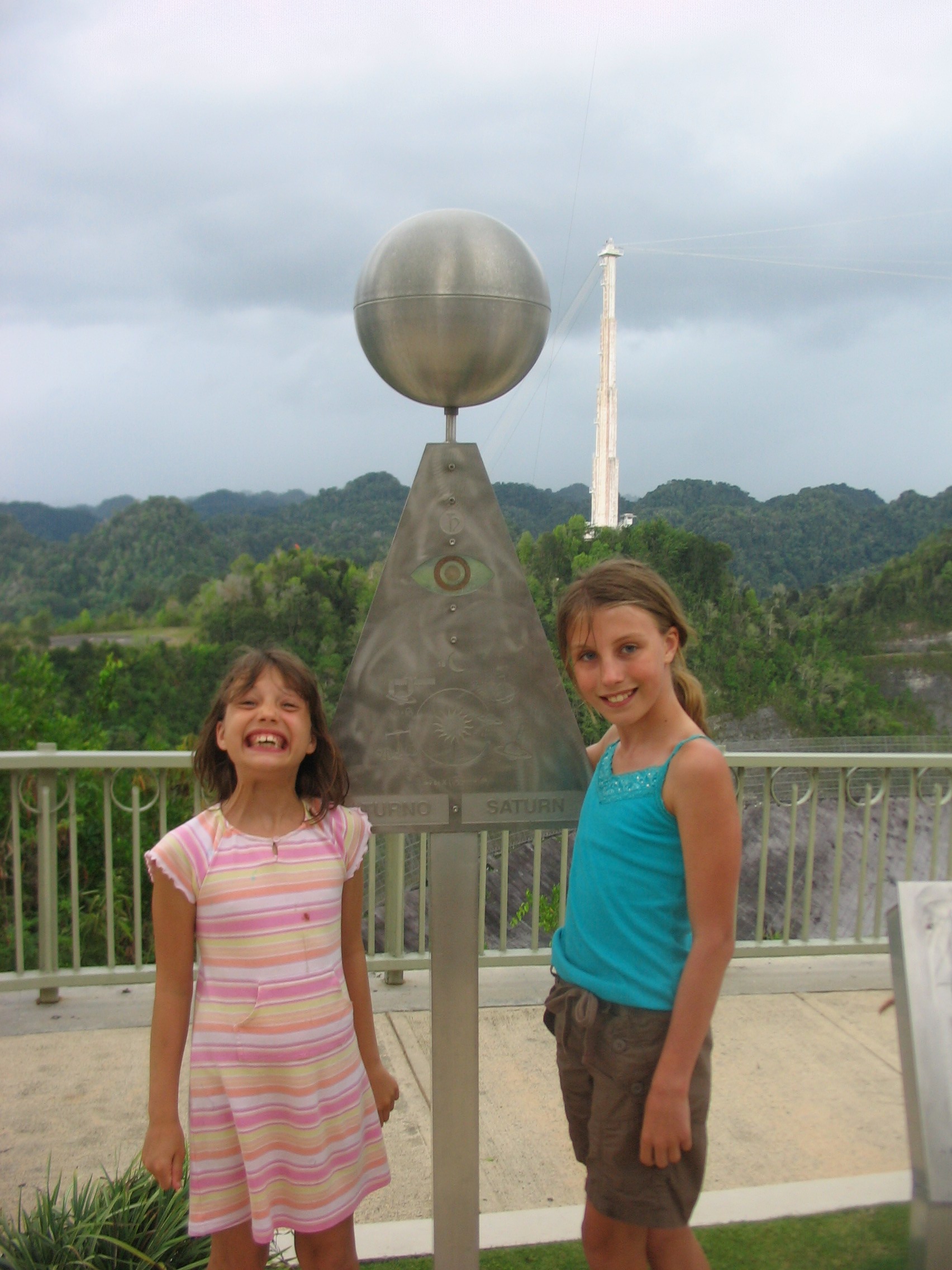
Here are some photos from our 2008 visit with our kids, Aryk and Gavin, who were 10 and 7.
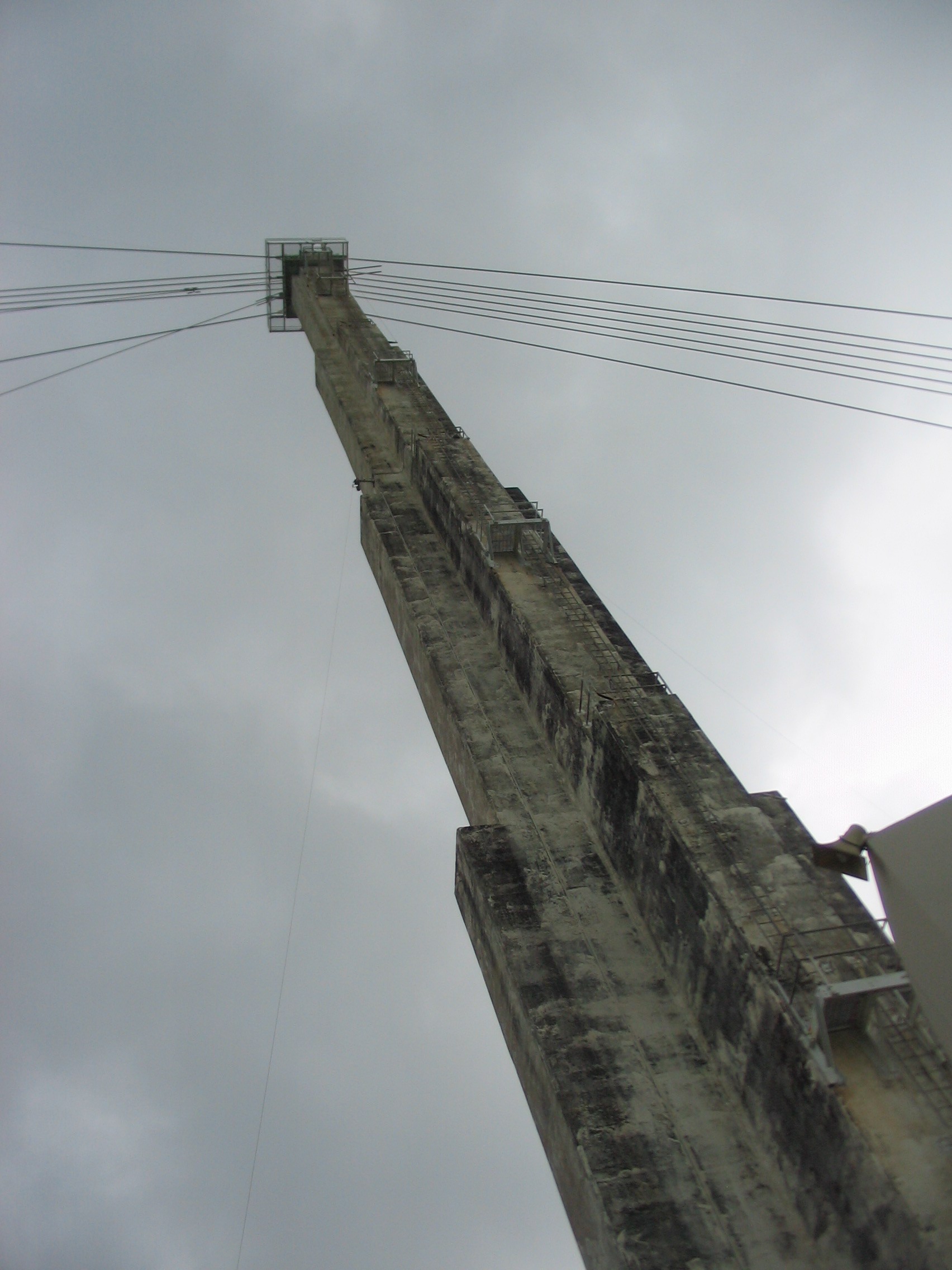
The thing on the right is the Gregorian Dome36 cables held the telescope and dome up
Arecibo Observatory Today
And here is what it looks like, almost exactly 14 years later.
The first three cables snapped in November 2019, and the rest a month later. A couple of years earlier, Puerto Rico experienced a number of earthquakes, which may have compromised the structure’s integrity. But there really is no definitive answer as to why it collapsed.
The Arecibo facility has asked the National Science Foundation for funds to build back better, but has received no answer.
The Past and Present Converge
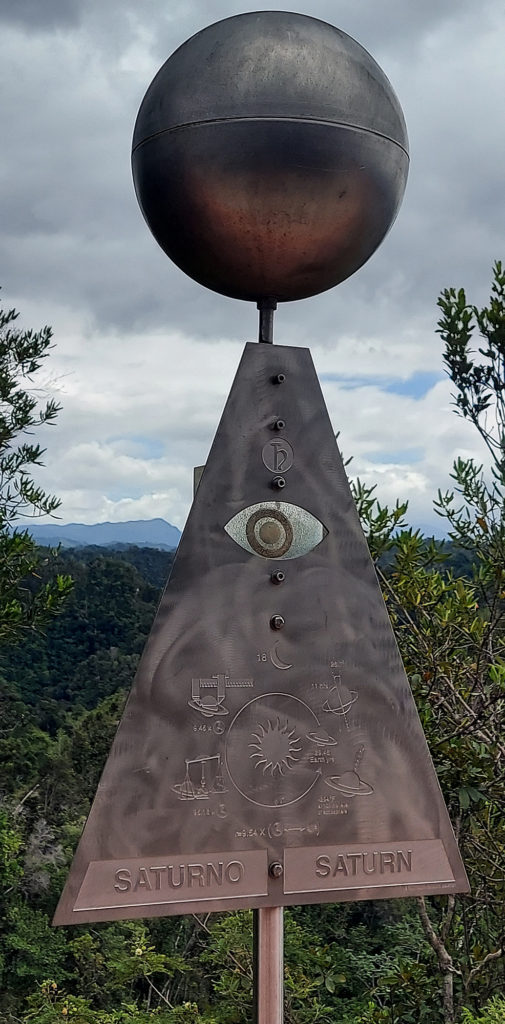
Aryk and Gavin stand in front of the Saturn icon in April 2008. Note the tower support in the back.Saturn, taken in April 2022. Note the absence of any tower structure behind. Same spot, no radio-telescope.
Watch a spectacular YouTube video of the crash here.
The Work Continues Anyway
Despite the collapse of the giant radio-telescope, scientists continue their work at the Arecibo Observatory (AO) to study the huge amount of data collected over 50 years. It is still recognized as a world-leading radio astronomy, solar system radar, and atmospheric physics facility. It contributes highly relevant data to support discovery, innovation, and the advancement of science for the well-being of humankind.
Visitors and Science Center
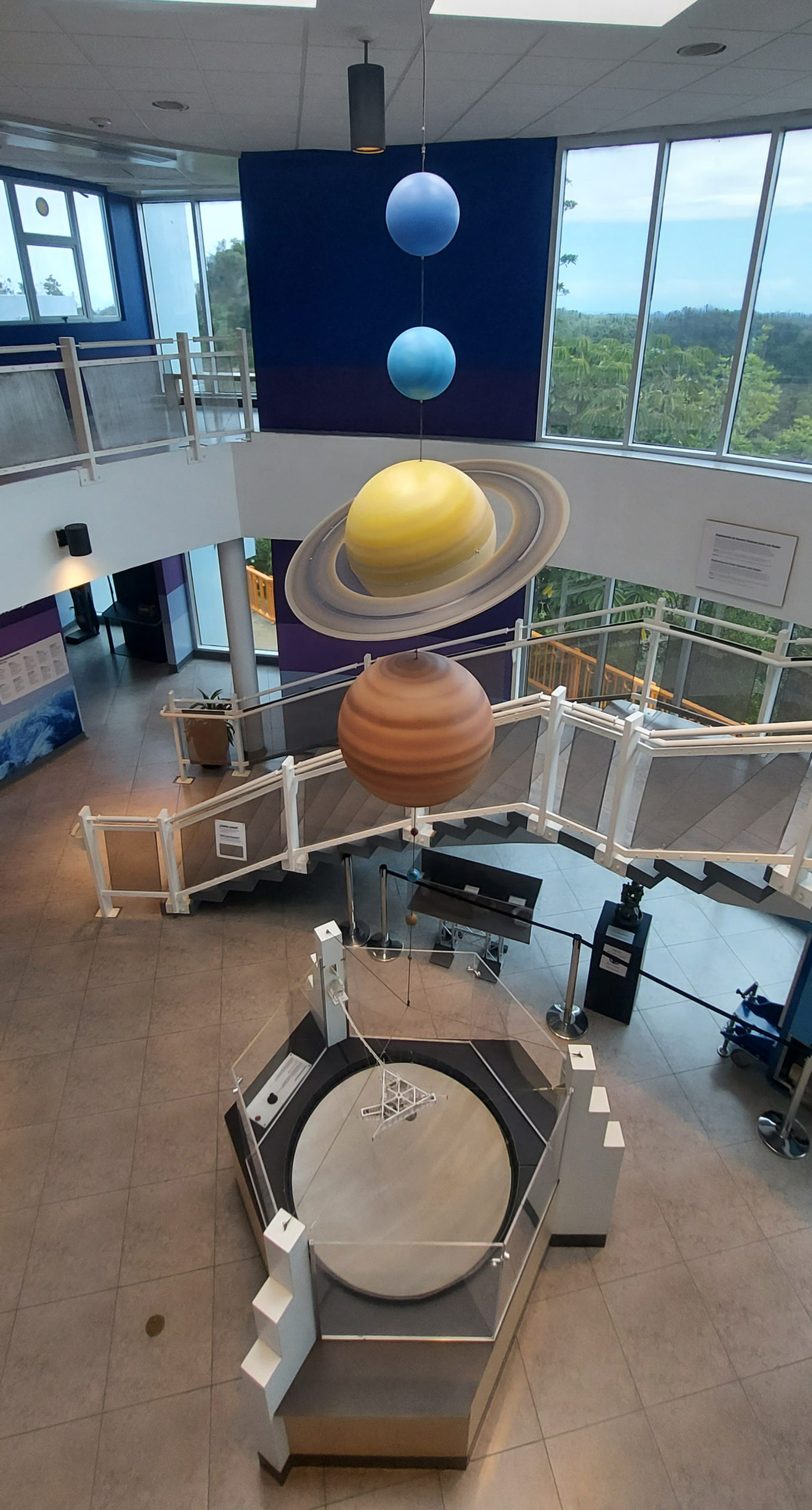
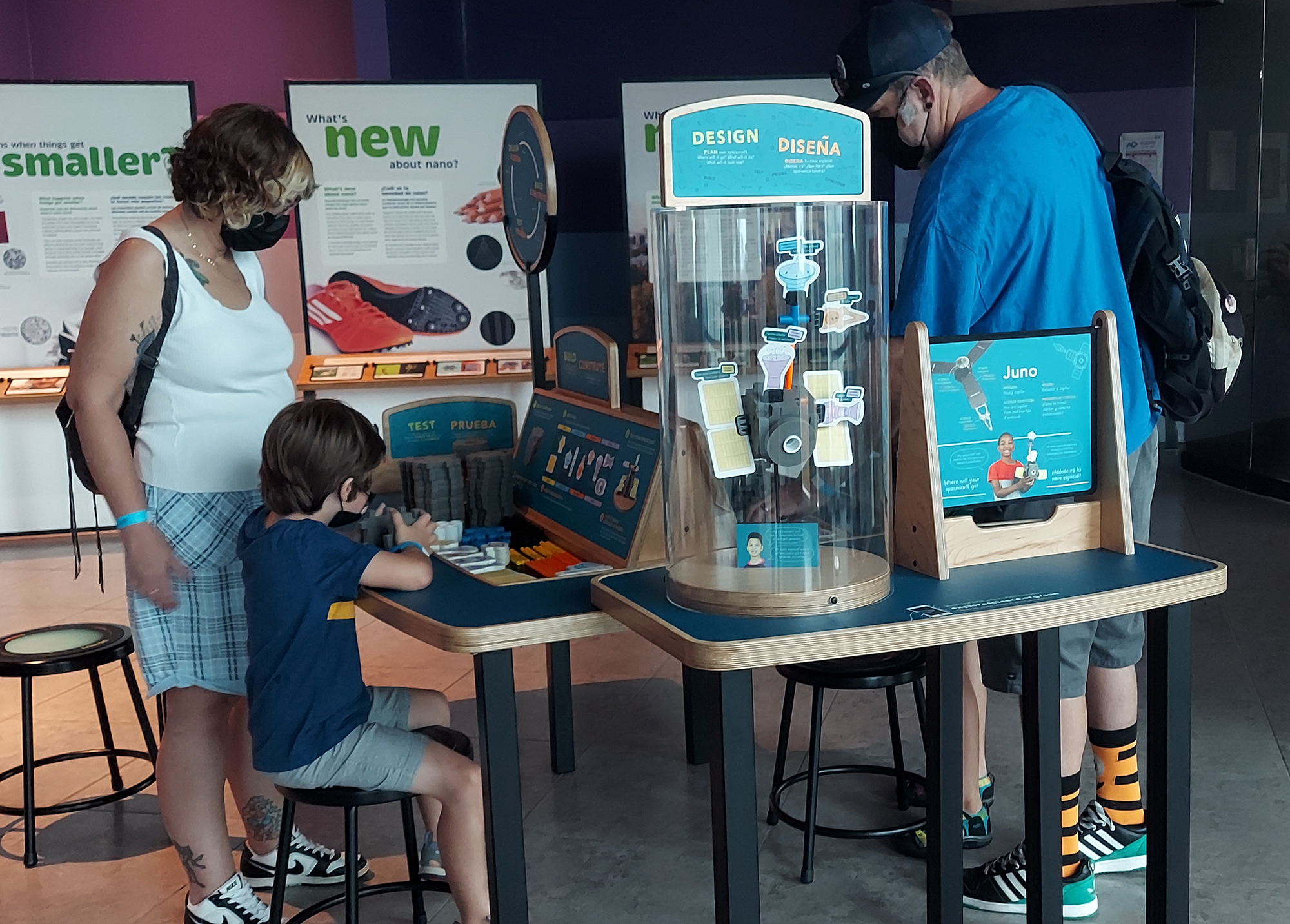
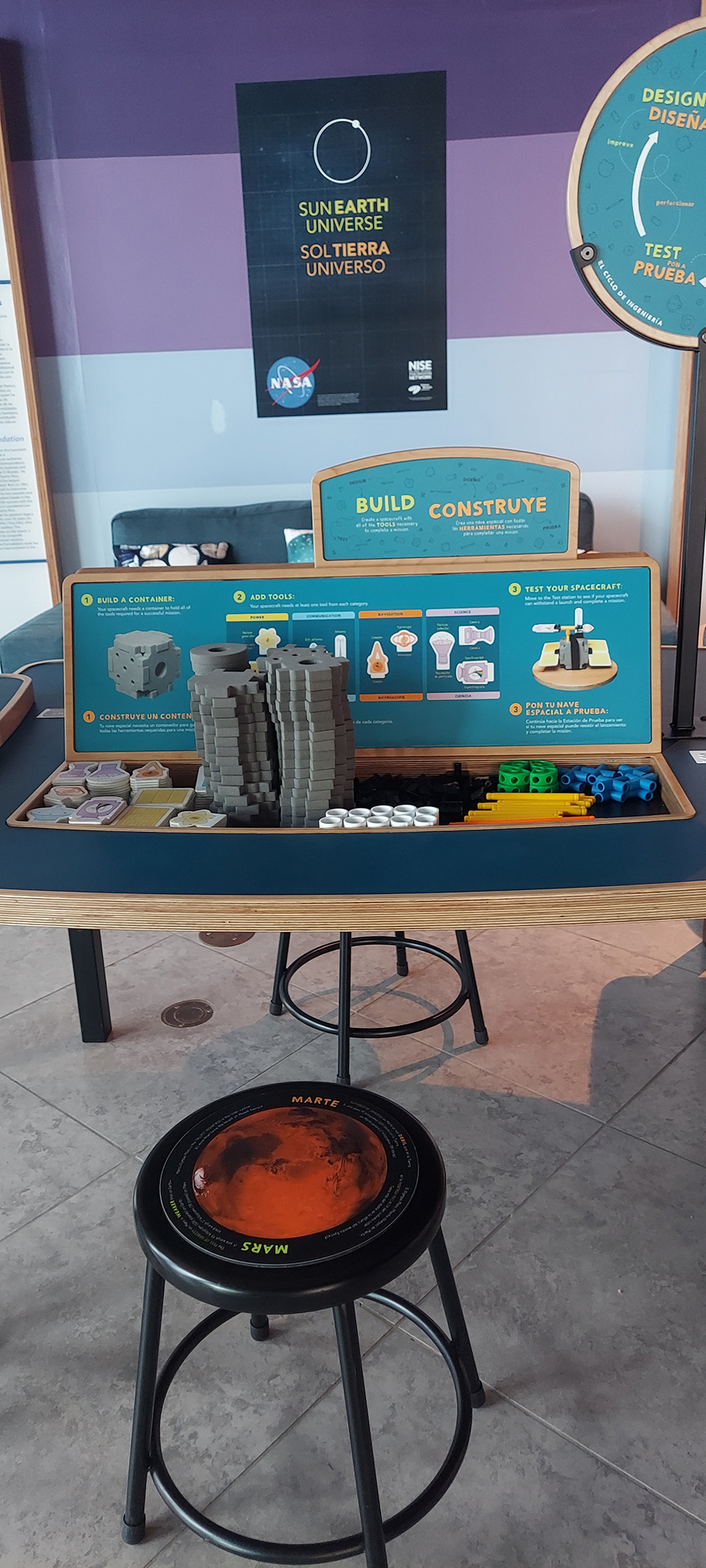
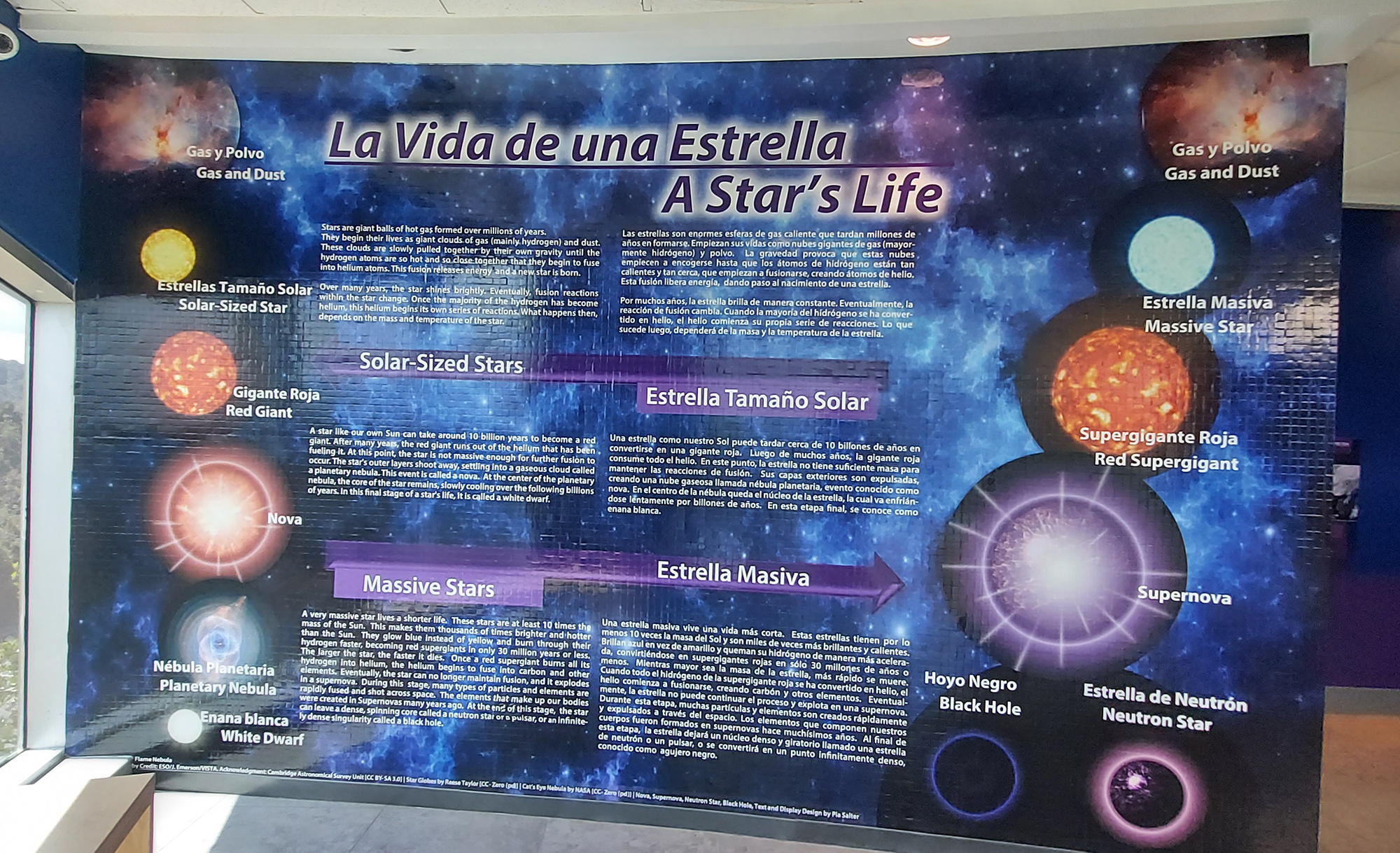
The state-of-the-art Science and Visitors Center holds a lively interactive museum where kids can watch a film, build a spaceship, play games, and see a model of the original telescope. It’s definitely worth the trip!